
A few ants near the kitchen sink can become a trail across the counter overnight. A scratching sound in the attic may mean rodents are already nesting. When the problem feels urgent, knowing how to choose an exterminator can keep a stressful situation from becoming an expensive one.
The right pest control company does more than spray and leave. It identifies the pest, finds the conditions allowing it to thrive, uses safe and effective treatment methods, and helps prevent the problem from returning. Whether you manage a rental property, run a business, or want to protect your family home, these are the details that matter most.
How to Choose an Exterminator for Your Property
Start by matching the company to the actual problem. General pest control is a good fit for common ants, spiders, roaches, and occasional invaders. Termites, bed bugs, rodents, wasps, and mosquitoes often require more specialized inspection methods, equipment, and follow-up.
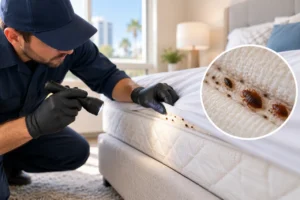
Do not assume every exterminator handles every pest with the same level of experience. Ask whether the company regularly treats your specific issue and what its process looks like. For example, rodent control should include locating entry points and recommending exclusion work, not simply placing bait. Bed bug treatment should account for the full room, adjacent areas, furniture, and follow-up inspections. Termite work should begin with an informed inspection and a clear explanation of the recommended treatment.
A provider that asks a few questions before quoting is usually taking the issue seriously. They may ask where you have seen activity, how long it has been happening, whether you have pets or children, and whether prior treatments have failed. Those questions help create a treatment plan based on your property rather than a one-size-fits-all response.
Verify Licensing, Insurance, and Local Experience
Pest control involves regulated products and professional judgment. Before hiring a company, verify that it is properly licensed to perform pest control in California and carries appropriate insurance. A legitimate provider should be able to answer direct questions about its qualifications without hesitation.
Local experience also makes a real difference. Pest activity in Los Angeles County and Orange County changes with the season, building type, landscaping, and nearby construction. A technician who understands Southern California conditions knows that an ant problem may be tied to moisture or vegetation, that roof rats often use utility lines and overhanging branches, and that termites can cause hidden damage long before a homeowner sees clear warning signs.
Experience alone is not enough, though. Look for a company that keeps its technicians trained on current treatment methods and can explain its recommendations in plain language. You should never feel pressured to agree to a service you do not understand.
Check Reviews for Patterns, Not Just Star Ratings
Reviews can reveal whether a company is responsive after the initial appointment. A high rating is helpful, but read recent comments for patterns: Did technicians arrive on time? Did the company explain the service? Were customers able to reach someone when activity continued? Did it honor scheduled follow-ups?
Pay particular attention to reviews involving the same pest or property type as yours. A homeowner dealing with ants may have different needs than a restaurant manager facing a cockroach issue or a landlord coordinating treatment across occupied units.
No company will have a perfect review history. What matters is whether it responds professionally to concerns and has a consistent reputation for showing up, communicating clearly, and resolving problems.
Ask About Safety Before Treatment Begins
Effective pest control and responsible treatment should work together. Ask what products and methods will be used, where they will be applied, and what preparation is required. If you have children, pets, sensitive occupants, food preparation areas, or tenants, make those details clear during the inspection.
A qualified exterminator should explain practical safety steps, such as moving pet bowls, covering food, clearing cabinets when necessary, or staying out of treated areas for a specified period. The exact instructions depend on the pest and treatment, so be cautious of anyone who offers blanket assurances without first evaluating the job.
Eco-friendly pest management does not mean doing nothing or relying on ineffective products. It means using the least disruptive effective solution and combining treatment with sanitation, exclusion, monitoring, and habitat changes whenever possible. For many pest issues, those preventive steps are what create long-term results.
Compare Estimates by Scope, Not by the Lowest Number
An unusually low price can be attractive when pests are causing immediate stress. But the cheapest quote may cover only a quick visit, while a more complete estimate may include inspection, targeted treatment, return visits, monitoring, and recommendations to stop re-entry.
Ask for the scope of service in writing. You should understand what pest is being treated, which areas are included, how many visits are expected, whether follow-up is included, and what happens if activity continues. For termite treatment, fumigation, or extensive rodent work, the proposal should be especially clear about the process, preparation, timing, and any limitations.
Price also depends on the size of the property, infestation level, accessibility, pest type, and urgency. A one-time treatment may be reasonable for a small, isolated issue. Ongoing protection is often more cost-effective for properties with recurring ants, spiders, rodents, or seasonal pest pressure. The best option depends on whether you need immediate relief, year-round prevention, or both.
Watch for Vague Promises and High-Pressure Sales Tactics
Be careful with companies that quote a final price without asking questions or inspecting the property. Pest control is not a product that can be accurately priced from a single sentence over the phone in every situation.
You should also be wary of claims that promise to eliminate every pest forever after one treatment. Some problems can be resolved quickly, but pests can return when conditions change, neighboring properties have activity, or gaps around a building remain open. A trustworthy company sets realistic expectations and provides a plan for addressing continued activity.
Make Sure Follow-Up Is Part of the Plan
The first treatment is often only the first step. Eggs can hatch after bed bug service, rodents can find a second entry point, and ants may shift their trails before the colony is fully controlled. Follow-up allows the technician to check progress, adjust treatment when needed, and confirm that prevention measures are working.
Ask how the company handles callbacks and what service guarantee applies. A useful guarantee should explain the timeframe, the conditions, and whether additional treatment is included. It should not be used as a vague sales phrase.
For commercial properties and multi-unit housing, consistent documentation is equally valuable. Property managers and business owners may need service records, treatment details, sanitation recommendations, and reports that help them communicate with tenants, staff, or inspectors. Choose a provider that treats communication as part of the service.
Questions Worth Asking Before You Schedule
Before you commit, ask a few direct questions: Is the company licensed and insured? Have its technicians handled this pest before? What treatment method is recommended and why? What should occupants do before and after service? How many visits may be needed? What is included in the price? How are callbacks handled?
The answers should be specific, calm, and easy to understand. A good exterminator does not make you feel rushed for asking. They know pest problems are disruptive, and clear communication is part of getting the job done right.
For homeowners and businesses in Southern California, Impressive Exterminating focuses on fast response, customized treatment plans, and ongoing prevention so pest control feels manageable instead of overwhelming. Choose a company that takes the time to protect your property, the people inside it, and your peace of mind long after the first visit.
Frequently Asked Questions About Choosing an Exterminator
These questions come up repeatedly in homeowner forums, review comparisons, and consumer-protection guides — answered here directly so readers (and search engines) get a clear, trustworthy answer without digging through a dozen threads.
What are the biggest red flags when hiring a pest control company?
The most common red flags are a company that quotes a firm price over the phone without inspecting the property, a technician who shows up as an unsolicited door-to-door salesperson, pressure to sign a contract on the spot, and vague or evasive answers about licensing and insurance. Claims that one treatment will eliminate a pest “forever” are also worth questioning, since most pest problems depend on ongoing conditions around the property, not a single visit.
How much does pest control typically cost?
Cost depends heavily on the pest, the size of the property, the severity of the infestation, and whether it’s a one-time treatment or an ongoing service plan. A small, isolated problem like an occasional ant trail costs far less than termite treatment or a full rodent exclusion job. Rather than comparing a single number, ask each company for a written scope of service so you’re comparing what’s actually included — inspection, treatment areas, number of visits, and follow-up — not just the bottom-line price.
Should I get multiple quotes before hiring an exterminator?
Yes, especially for larger jobs like termite treatment, fumigation, or a recurring pest problem. Comparing two or three written estimates makes it easier to see whether a low quote is actually a smaller scope of work rather than a better deal, and it gives you a chance to compare how thoroughly each company explains its process before you commit.
How do I verify a pest control company is licensed in California?
A legitimate pest control company should be able to provide its license information without hesitation, and licensing status for structural pest control operators can be verified through the California Structural Pest Control Board. It’s reasonable to ask for this information directly during your first call, before scheduling an inspection.
Is it normal for an exterminator to give a price without seeing the property first?
For a small, well-defined job, a general price range over the phone can be reasonable, but a firm final quote without an inspection is a common warning sign — pest problems vary too much by property size, infestation severity, and accessibility to price accurately from a single phone description. Be cautious if a low phone quote later increases significantly once the technician arrives.
What’s the difference between a one-time treatment and an ongoing pest control plan?
A one-time treatment addresses a specific, isolated problem and is often appropriate for a small or occasional issue. An ongoing plan includes recurring visits, monitoring, and prevention, which tends to be more cost-effective for properties dealing with seasonal or recurring pests like ants, spiders, or rodents. The right choice depends on whether the goal is immediate relief, long-term prevention, or both.
What should I ask if I have kids, pets, or food-prep areas in the home?
Ask what products will be used, where they’ll be applied, and what preparation is required before the visit — such as moving pet bowls, covering food surfaces, or clearing cabinets. Also ask how long occupants and pets should stay out of treated areas. A qualified technician should be able to give specific instructions rather than a generic reassurance that the treatment is “totally safe.”
What happens if the pests come back after treatment?
Ask about this before you hire, not after. A trustworthy company should explain its callback or guarantee policy clearly — the timeframe it covers, what conditions apply, and whether follow-up treatment is included in the original price or billed separately. Some pest return is normal, especially with recurring issues like ants or seasonal rodents, so the real question is how responsive the company is when it happens.
How long should a typical pest control visit take?
A general pest control visit usually takes at least 15 to 20 minutes for a thorough inspection and treatment, not counting more involved services like termite or rodent work, which take longer. A technician who rushes through the visit without answering questions may be working on a tight quota rather than tailoring the service to your property.