Bee Control in Los Angeles County & Orange County
Bees are different from most pests we treat — and we handle them that way. Honeybees play a critical role pollinating the plants and gardens across Southern California, so our approach to bee control starts with a simple question: can this hive be safely removed and relocated, or does it pose an immediate danger that requires elimination? That distinction matters, and it’s one a lot of pest companies skip.
We serve Long Beach, Bellflower, Cerritos, Torrance, and communities throughout Los Angeles County and Orange County, handling everything from a small swarm passing through your yard to an established hive inside a wall void or chimney.
Based on 1,963 Reviews verified reviews
Save $100 when you protect your home from Bee.

Bees We Commonly Encounter in Southern California
Honeybees
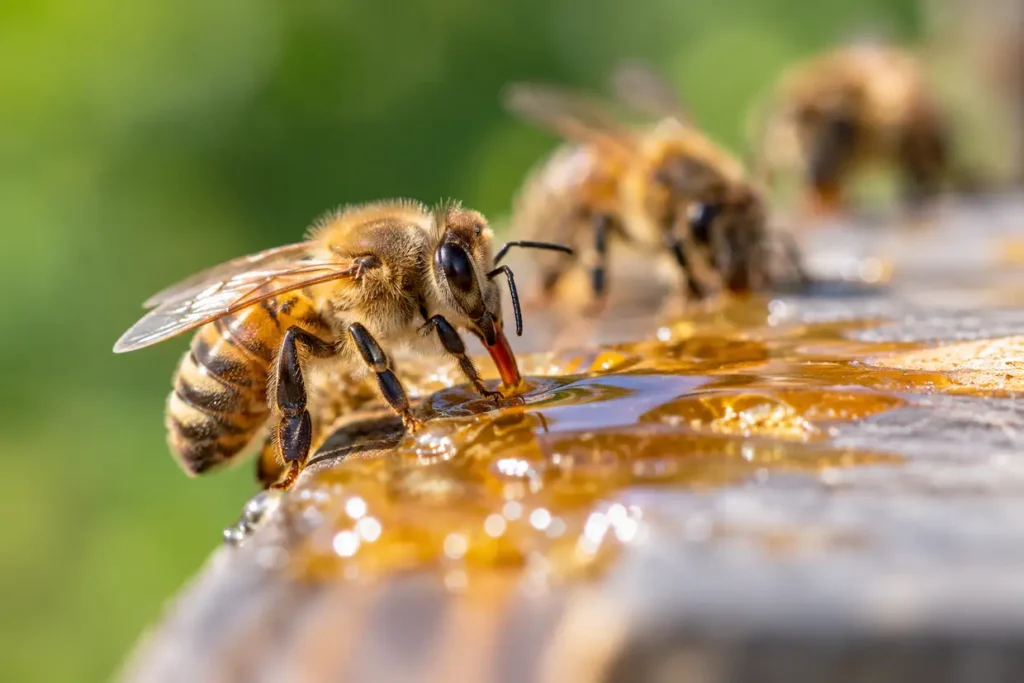
Golden-brown and fuzzy, honeybees build wax comb nests, often inside wall voids, chimneys, attics, or hollow trees. A dripping or staining wall, or a faint honey smell, can be a sign of a large, established hive already inside your structure.
Africanized Honeybees
Southern California has an established Africanized honeybee population, and these colonies are more defensive than typical European honeybees, often responding to a disturbance in much larger numbers. Because Africanized and European honeybees look nearly identical, any unmanaged hive on your property should be treated as potentially defensive until a professional confirms otherwise.
Bumblebees
Less common around homes, bumblebees are generally non-aggressive ground or cavity nesters and rarely require removal unless the nest is in a high-traffic area.
Carpenter Bees
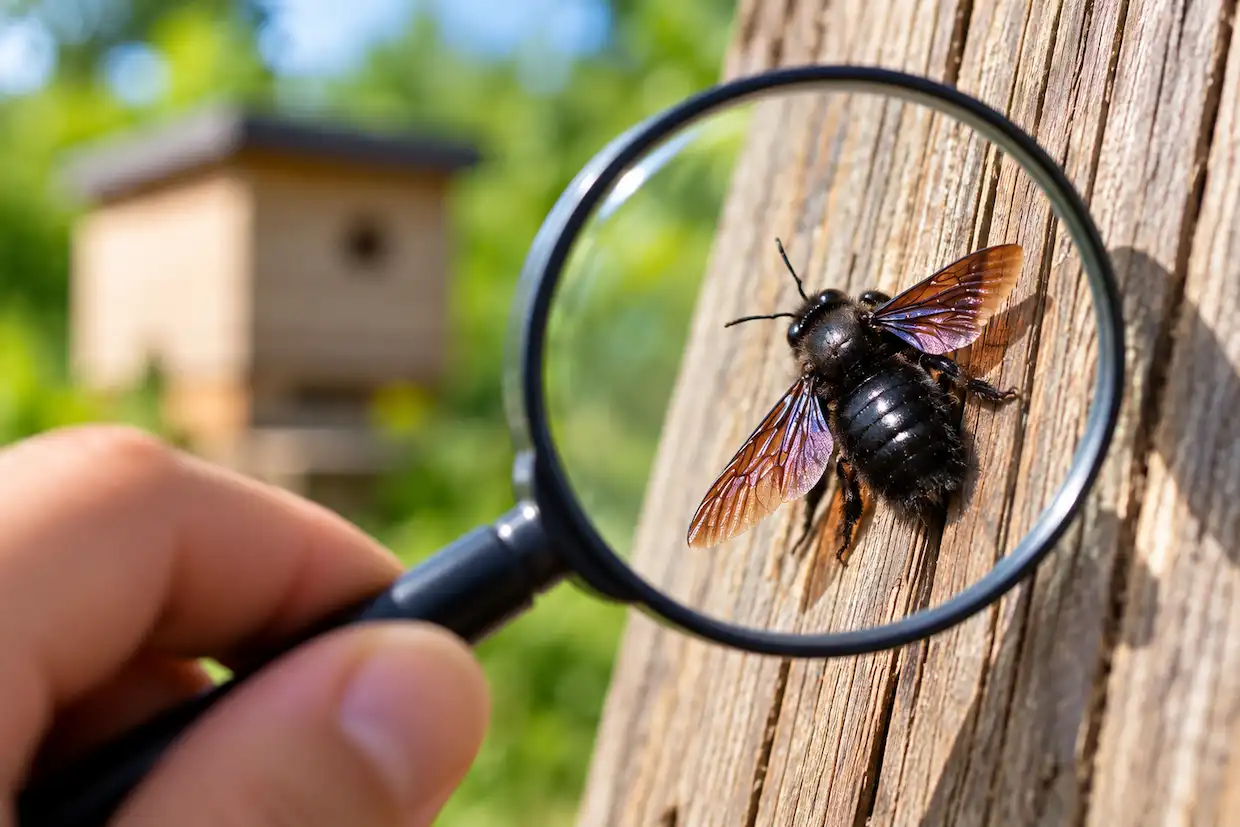
Solitary bees that bore round, smooth holes into untreated wood — eaves, decks, and fence posts are common targets. Often mistaken for bumblebees, but the damage left behind tells a different story.
Signs You Have a Bee Colony on Your Property

Activity at One Spot
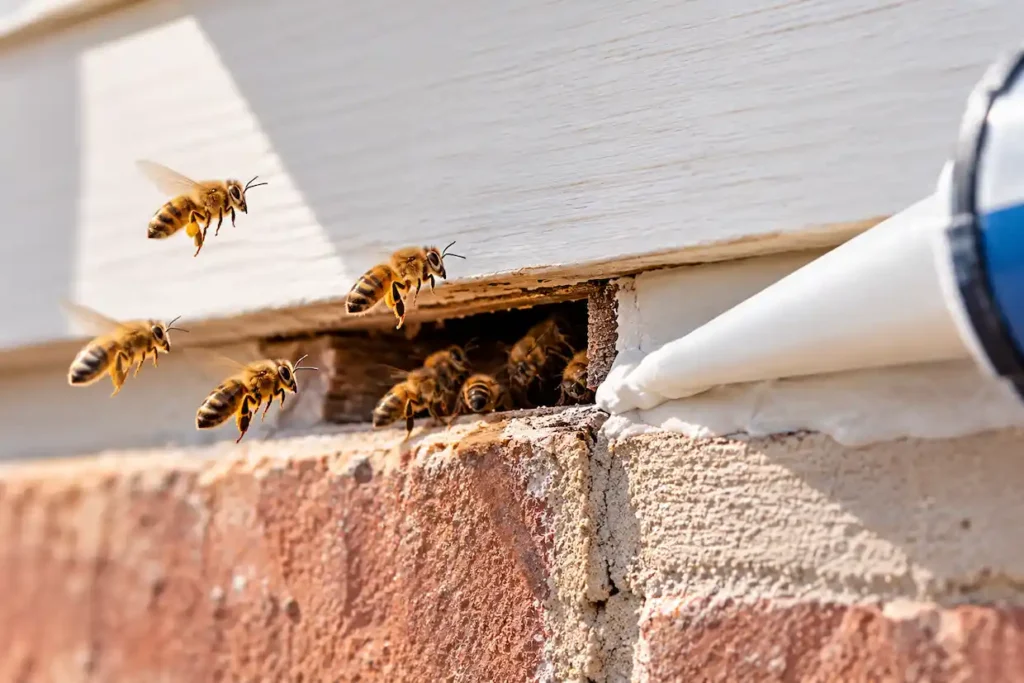
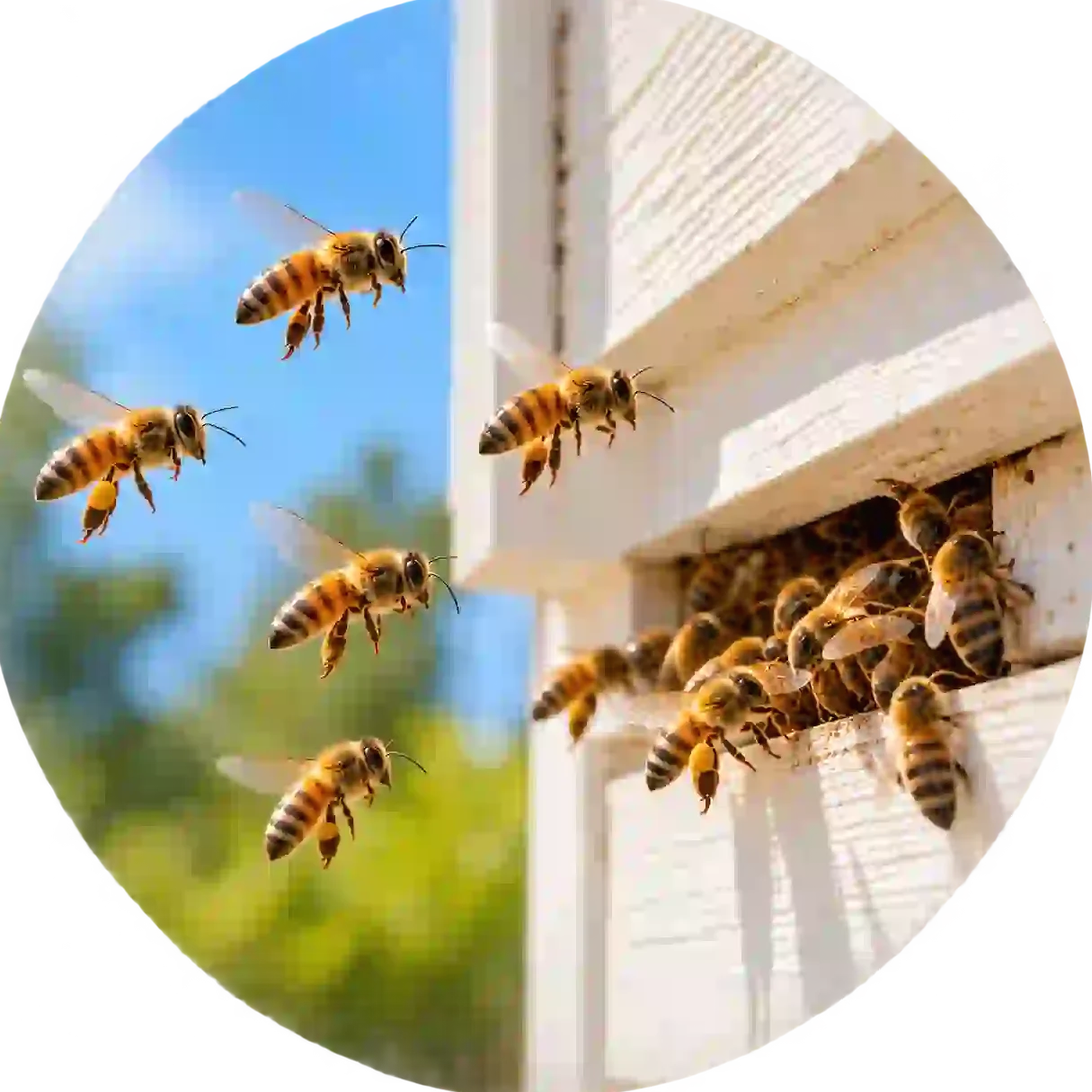
A steady stream of bees flying in and out of a single gap — a wall vent, roofline gap, chimney, or hole in a tree.
Buzzing Inside Walls
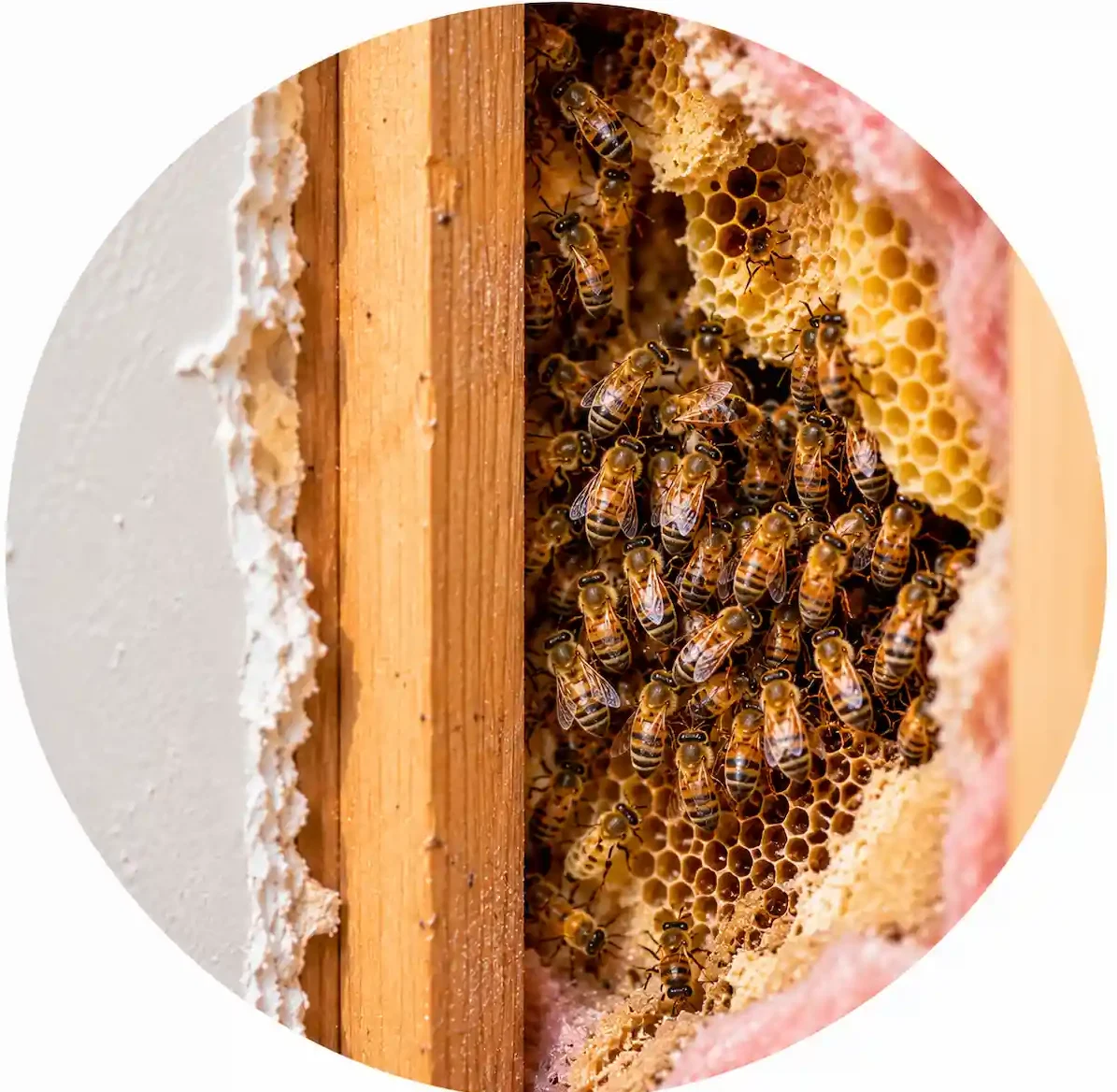
Buzzing sounds coming from inside a wall, ceiling, or chimney space.
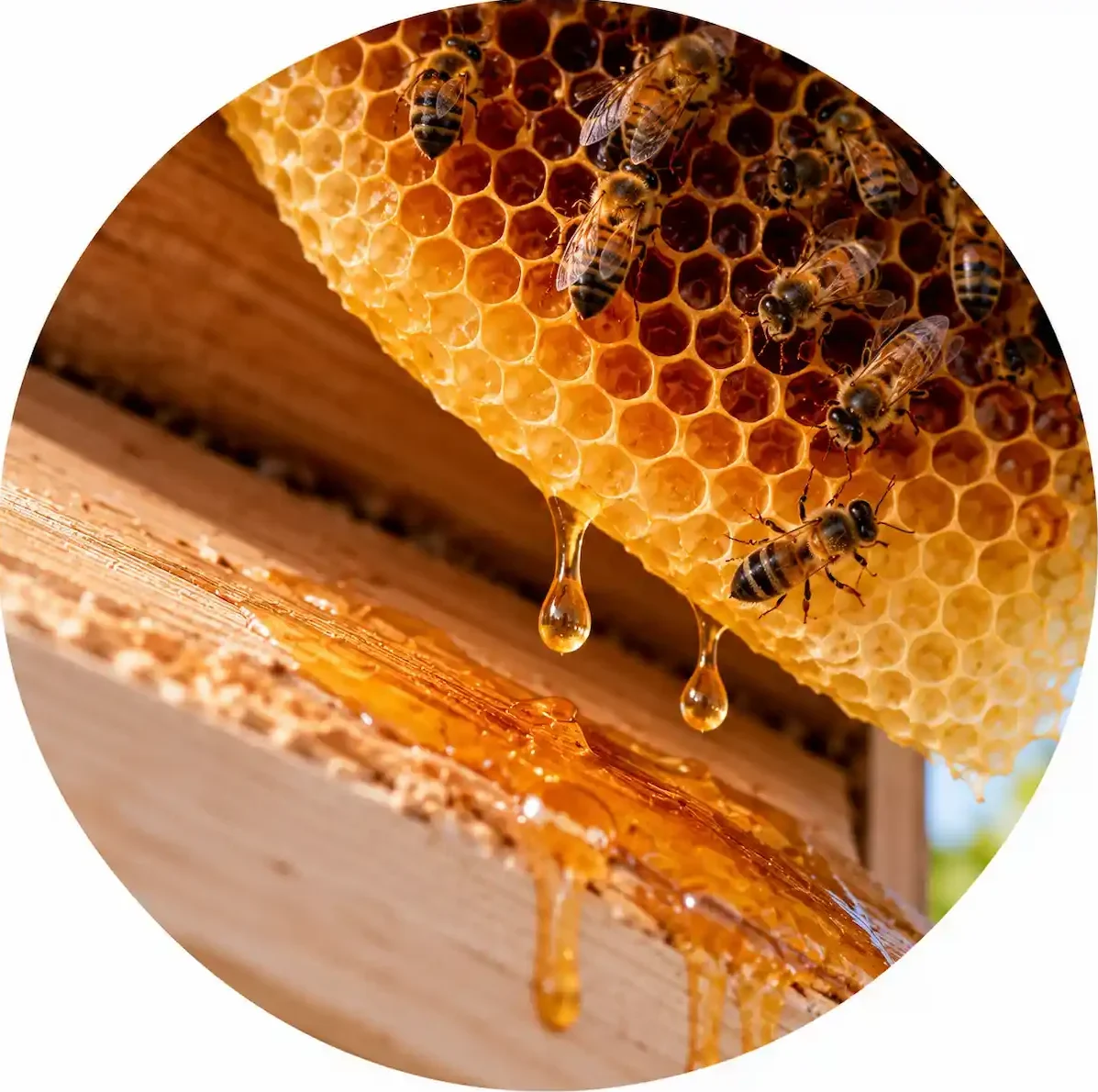
Wax Comb or Staining
Visible wax comb, or honey staining/dripping through drywall or a ceiling — a strong sign of a large, established indoor hive.
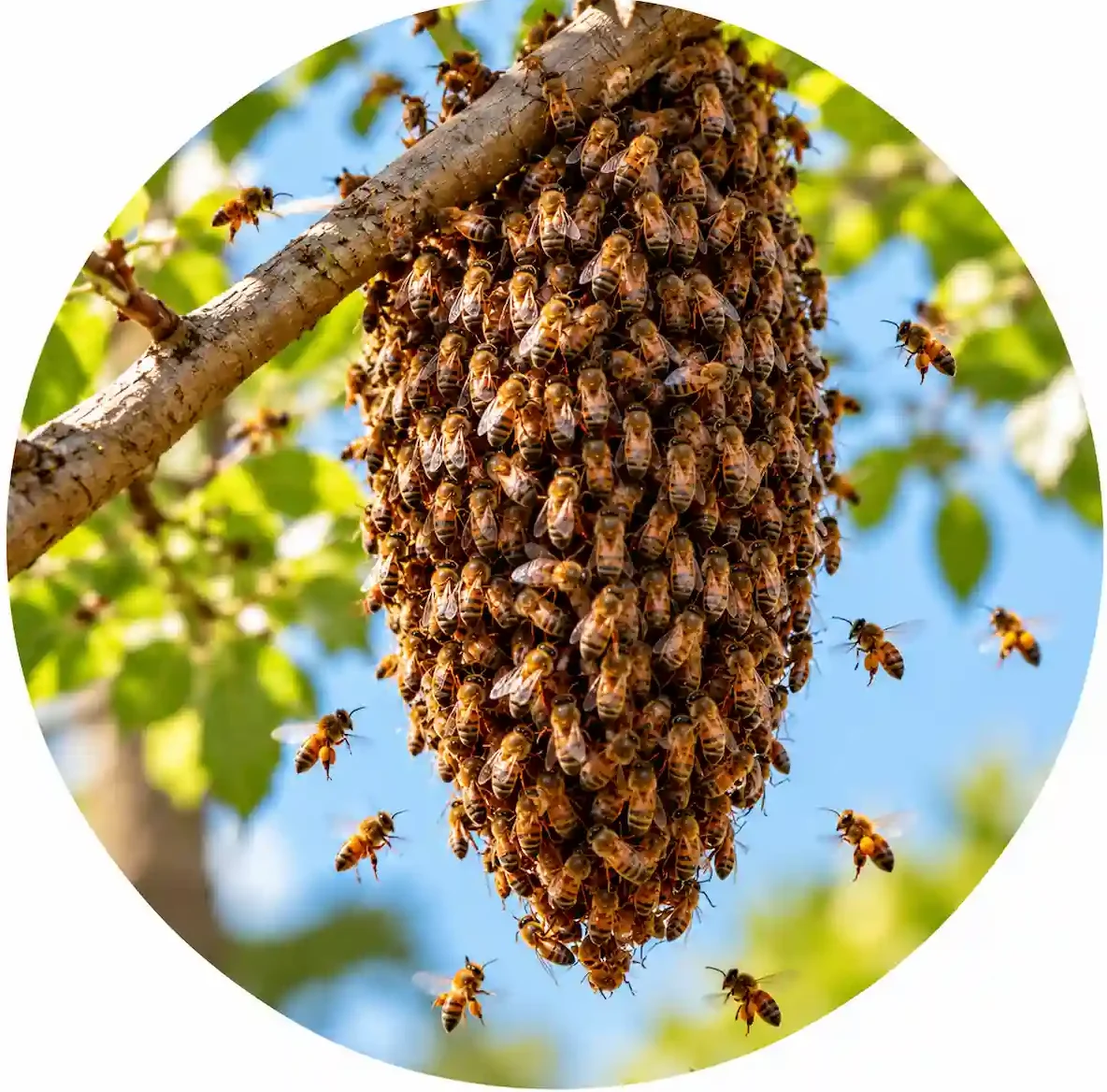
A Resting Swarm
A large, temporary cluster of bees, often on a tree branch or fence, which may or may not become a permanent hive.

National team, neighborhood feel

30 Years
of pest management experience

10.5 thousands
happy customers serviced nationally

25 Homes
and businesses serviced daily across
Why This Distinction Matters
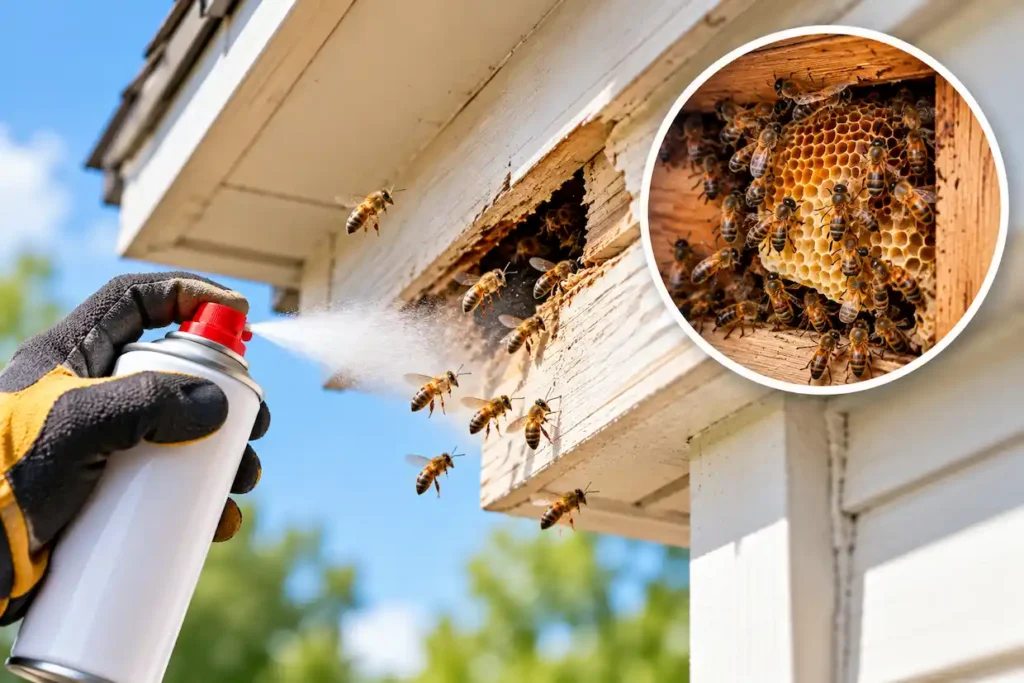
Treating every bee sighting the same way — either ignoring it because “bees are good” or exterminating on sight because “bees are scary” — isn’t the right approach either way.A small swarm resting temporarily on a fence post is a very different situation from an established hive inside your attic, and an Africanized colony near a play area is a different situation from a docile hive in a tree far from the house.
Our technicians assess each situation individually and explain the reasoning behind the recommended approach before any work begins.
Our commitment to you, your family, and the environment

Pet and family safe
Applied with care for the people and pets you love

Eco-conscious solutions
Smart, targeted approaches designed with the environment in mind

Local experts
Local technicians who understand your area’s unique pest challenges

The Impressive Exterminating Guarantee means that if pests come back, so do we – to re-treat at no additional cost. No excuses, just a commitment to care for your home like it's our own with protection you can trust.
Get started with Bee control today
Bee control
- Free inspection identifies bee activity and potential hive locations around your property
- Customized treatment plan to safely remove bees and help protect your home from future infestations
- Annual inspections help ensure there is no new bee activity for long-term peace of mind
- If new bee activity is found during our annual inspections, we will retreat the area to remove and prevent returning colonies
- Be sure to ask your technician how to get $100 off Bee Control
PestFree365+ Plan
- Free inspection identifies the size of bee colonies and possible entry points around your home
- Customized treatment plan to safely eliminate bees and provide recommendations to keep your property protected
- Regularly scheduled pest treatments for continued bee prevention
- Targeted treatments and sealing solutions help prevent future bee nesting and colony growth
Peace of mind. Guaranteed.
Removal, Not Just Extermination
Because honeybees are beneficial and, in many cases, can be safely relocated rather than killed, our process starts with identifying exactly what we’re dealing with before deciding on an approach:
Safe Identification
We assess the hive from a safe distance to confirm species and estimate colony size before recommending next steps.
Removal Plan
For accessible, non-defensive honeybee hives, relocation may be possible. For hives built deep inside a wall void, chimney, or other hard-to-reach structural space — or for confirmed or suspected Africanized colonies — a different, more direct approach is usually necessary to protect your family and property.

Comb & Honey Removal
For hives removed from inside a structure, leftover wax comb and honey need to be cleared out. Left behind, they can attract secondary pests and cause staining or odor issues over time.
Entry Point Sealing
Once a hive is addressed, we identify and help seal the gaps, vents, and openings that allowed bees to access the space in the first place, reducing the chance of a new colony moving into the same spot.
Why Southern California Families Trust Impressive Exterminating
Family-owned and locally operated
not a national call center reading from a script
Responsible handling
that considers relocation where it's genuinely safe to do so
Pet- and family-safe methods
for every property we treat
Free inspection
so you know what you're dealing with before committing to a removal plan
Sign up for deals and updates
How Bee Control Works

Initial inspection
We’ll inspect your home to check for signs of Bee and risk factors that could make your home vulnerable.

Removal & treatment
Our professionals will develop a plan that may include a combination of Bee, tamper-resistant bait stations

Prevention
Our technicians will assess your home for vulnerabilities and seal any entry points to help prevent Bee from entering.

Inspections
Our technician will contact you to schedule a follow-up inspection to check for new signs of Bee activity.
Explore additional Bee services
Frequently Asked Questions
Will you kill the bees, or can they be relocated?
It depends on the situation. Accessible, non-defensive honeybee hives may be candidates for relocation. Hives deep inside structural voids, or confirmed/suspected Africanized colonies, typically require a more direct removal approach for safety reasons. We’ll explain which applies to your situation after inspection.
How do I know if a hive is Africanized or a regular honeybee colony?
Africanized and European honeybees look nearly identical and can’t be reliably told apart by sighting alone — the safest approach is to avoid disturbing any unmanaged hive and have a professional assess it, especially since Africanized colonies tend to respond more defensively when disturbed.
Is it dangerous to leave a beehive alone in my wall or attic?
Yes, over time. An established hive left in place can grow, and the wax comb and honey inside can eventually cause staining, odor, and secondary pest problems even if the bees themselves aren’t actively bothering anyone.
What should I do if I see a swarm of bees resting in my yard?
Leave the area alone and keep pets and kids away — a resting swarm is often temporary and moving on to a permanent nesting site, but it’s still worth having assessed, especially if it’s sticking around for more than a day.
Is bee removal covered the same way as wasp removal?
No — bees and wasps require different handling. Because honeybees are beneficial pollinators, our approach favors removal and relocation where it’s safe, while wasp nests are typically treated and removed directly. See our wasp control page for more on how we handle stinging insects that aren’t bees.
Can I just seal up the hole bees are using to get into my wall?
Not without addressing the hive first. Sealing the entrance while bees are still inside can force them to find a new way into your living space, or cause the colony to die off inside the wall — which creates its own odor and secondary pest problems.
Get a Safe, Responsible Bee Assessment
If you’ve spotted a hive, a swarm, or steady bee activity around one spot on your property, Impressive Exterminating offers free inspections across Los Angeles County and Orange County, with a plan built around what’s actually safe for your home and, where possible, the bees.
Related services : Wasp Control · Spider Control · Termite Control