A rat in the kitchen before work, bed bug bites after a guest checks out, or a line of ants moving across a break room can make one thing clear: waiting is not a comfortable option. Same day pest control gives homeowners, landlords, and business owners a fast path from uncertainty to a professional plan of action.
Fast service should not mean rushed service. The goal is to identify what is happening, treat the active issue safely and effectively, and help prevent the pests from returning. For properties across Los Angeles County and Orange County, that combination matters just as much as how quickly a technician arrives.
When Same Day Pest Control Makes Sense
Some pest problems can wait for a scheduled appointment. A single spider in the garage or an occasional silverfish may not require immediate treatment. But certain situations can grow quickly, affect health and comfort, damage property, or disrupt a business. In those cases, prompt professional help is the practical choice.
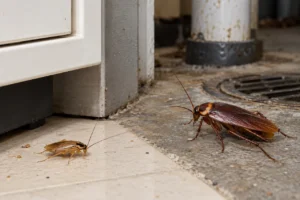
Same day service is especially valuable when rodents are indoors, bed bugs are suspected, stinging insects are active near entryways, or cockroaches are appearing in kitchens and bathrooms. Termite concerns also deserve quick attention. A same-day inspection can help determine whether you are seeing a few winged insects or signs of an active infestation that needs a specialized treatment plan.
For commercial properties, timing can be even more sensitive. Restaurants, offices, retail locations, apartment communities, and rental homes all have customers, employees, or tenants to consider. A quick response helps contain the issue, protect your reputation, and reduce disruption to daily operations.
What to Expect From a Same Day Pest Control Visit
A quality same-day appointment starts with questions, not assumptions. Before treatment begins, a licensed pest professional should ask where activity has been seen, when it started, whether children or pets are present, and whether there have been previous treatments. These details help shape a safer, more effective approach.
The on-site inspection looks beyond the visible pest. A technician may check entry points, moisture sources, food storage areas, wall voids, landscaping, crawl spaces, attics, and signs of nesting or breeding. Seeing ants on a counter, for example, does not always reveal the colony location. Finding the travel route and conditions attracting them is what leads to better results.
After the inspection, you should receive clear recommendations based on the pest and the property. That may include targeted treatment, trapping, baiting, exclusion work, sanitation guidance, monitoring, or follow-up visits. The right approach depends on the problem. Mosquito control looks different from rodent control, and bed bug treatment requires a different process than treating a wasp nest.
Fast Treatment Does Not Mean One-Size-Fits-All
It is understandable to want the strongest product available when pests appear suddenly. Yet using the wrong treatment or applying it in the wrong location can waste time and create unnecessary risk. Effective pest control is based on the pest’s behavior, the level of activity, and the conditions around your home or business.
For ants, the fastest visible result may not be the lasting result. Spraying the trail can reduce activity temporarily, but a professional may also use baiting strategies designed to reach the colony. With rodents, removing the animal is only part of the job. Sealing access points and addressing food or water sources helps stop the next rodent from entering.
Bed bugs are another example of why careful treatment matters. These pests can hide in mattress seams, furniture, baseboards, and nearby cracks. A thorough plan may involve detailed inspection, targeted applications, preparation steps, and follow-up service. A quick response is valuable, but complete resolution takes cooperation and a treatment plan built for the infestation.
Safe Pest Control for Families, Pets, and Customers
Urgent does not have to mean careless. Homeowners often worry about treatments around children and pets, while business owners need to think about employees and customers. A professional service should explain what products or methods are being used, where they will be applied, and any instructions for reentry or preparation.
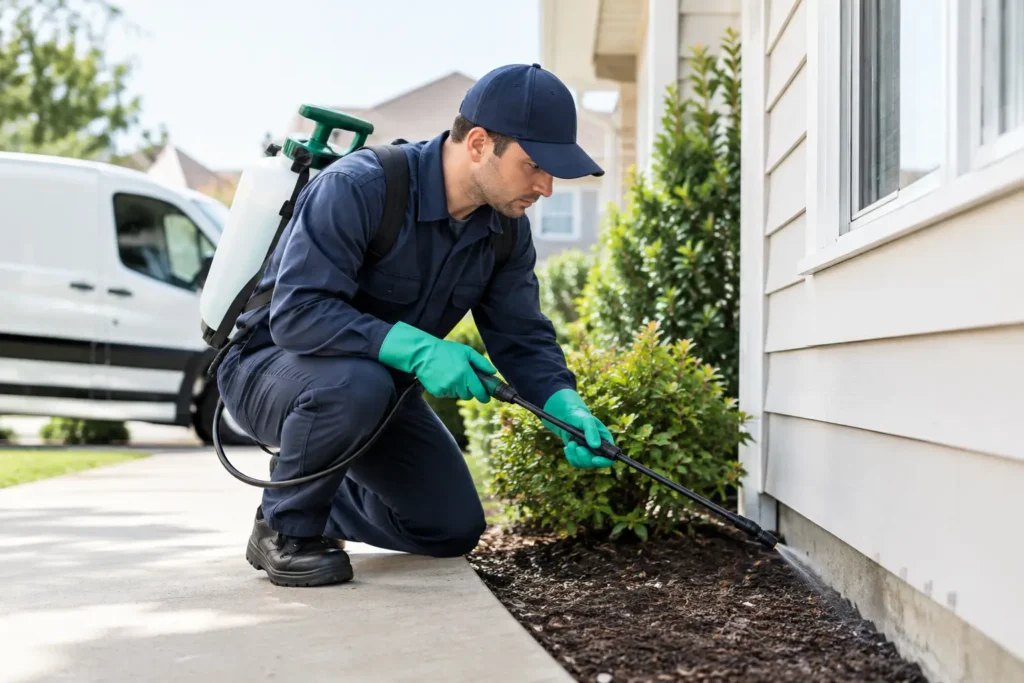
Modern pest management focuses on targeted, scientifically proven methods rather than unnecessary blanket treatments. This can include placing materials in specific protected locations, using mechanical traps, closing gaps around utility lines, or reducing conditions that allow pests to thrive. The best method depends on the pest, but the principle stays the same: use the least disruptive effective solution for the situation.
Before your appointment, remove pet food from treatment areas, clear clutter where possible, and follow any preparation guidance you receive. If you have allergies, young children, pets, aquariums, or sensitive work environments, mention them during scheduling. That information helps the technician plan appropriately.
What You Can Do While Waiting for Service
A few simple actions can make same day pest control more effective. Avoid spraying over-the-counter products directly onto pests unless instructed to do so. Store-bought sprays can scatter certain insects, interfere with baiting, and make it harder to determine where activity is coming from.
Instead, take clear photos if it is safe to do so and note where and when you saw the pest. Keep children and pets away from active stinging insects, rodent droppings, or suspected bed bug areas. For rodents, avoid handling droppings with bare hands. For bees or wasps near a doorway, do not attempt to knock down a nest yourself. Disturbing it can increase the risk of stings.
You can also limit food and water sources while waiting. Wipe counters, secure pantry items in sealed containers, take out trash, and repair obvious leaks if possible. These steps will not replace treatment, but they can reduce pest activity and support long-term prevention.
The Difference Between Emergency Relief and Lasting Protection
A same-day visit is designed to address the immediate problem, but pest control works best when it continues beyond the first treatment. Seasonal weather, nearby construction, shared walls, landscaping, and routine property use can all create new pest pressure over time.
That is why ongoing maintenance can be a smart choice for homes, apartment properties, and businesses with recurring concerns. Regular monitoring allows a professional to spot early activity, adjust treatment as conditions change, and address entry points before they become a larger infestation. It is often more affordable and less stressful to prevent a major issue than to respond after it spreads.
For property managers, consistent service also creates a more reliable process for tenant reports and unit inspections. For homeowners, it provides peace of mind that common Southern California pests such as ants, spiders, rodents, mosquitoes, and wasps are being managed proactively.
Choosing a Provider for Same Day Service
Speed matters, but it should not be the only deciding factor. Look for a licensed local provider that can explain the treatment plan in plain language, answer safety questions, and recommend follow-up when the issue calls for it. A trustworthy company will not promise that every pest problem disappears instantly. Some infestations need multiple visits, monitoring, exclusion work, or resident preparation to achieve the best result.
Ask whether the provider treats your specific pest, whether the inspection is included, and what ongoing options are available after the immediate issue is handled. For termite activity, bed bugs, rodents, or recurring cockroach problems, experience with that specialty matters.
Impressive Exterminating provides fast, customized pest control for residential and commercial properties, with treatments designed around the problem you have now and the protection you need next. When pests interrupt your home, rental property, or workplace, a prompt inspection and a clear plan can replace panic with progress.