You usually do not need much time to realize you may have bed bugs. A few itchy bites, tiny rust-colored stains on sheets, or one live bug near a mattress seam is enough to turn a normal evening into a stressful one. The good news is that the bed bug extermination process is straightforward when it is handled quickly, professionally, and with a plan built for the specific property.
Bed bugs are not a sign of a dirty home or poorly managed building. They hitchhike in luggage, used furniture, backpacks, laundry, and delivery items. In Los Angeles County and Orange County, where people travel often and multi-unit housing is common, they can spread faster than many property owners expect. That is why fast response matters just as much as treatment itself.
What the bed bug extermination process usually starts with
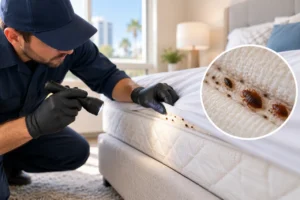
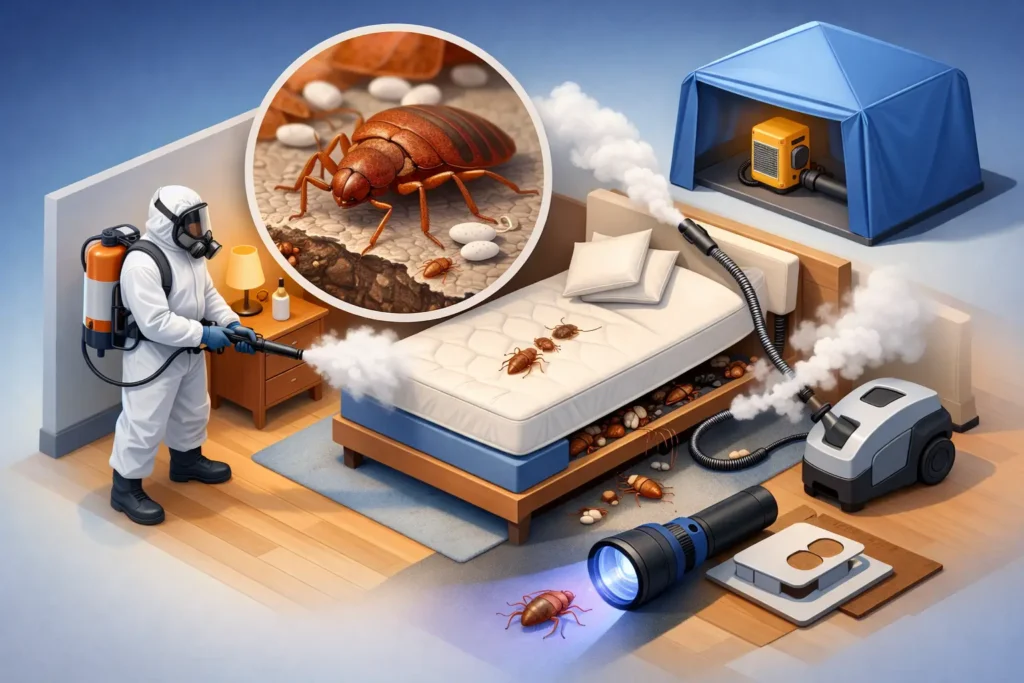
The first step is a detailed inspection. This matters because bed bugs do not stay only on the bed. They hide in mattress piping, box springs, headboards, nightstands, couches, baseboards, wall voids, and even behind outlet covers. In apartments, condos, hotels, and shared commercial spaces, the inspection may also need to include adjacent units or rooms.
A proper inspection confirms more than whether bed bugs are present. It helps determine how widespread the activity is, where the bugs are harboring, and what treatment method makes the most sense. A light infestation in one bedroom may be handled differently than a larger issue affecting multiple rooms or neighboring units.
This is also the stage where customers often ask if they can solve the problem with store-bought sprays. Sometimes those products kill visible bugs, but they rarely reach the hidden areas where eggs and live insects remain. In many cases, DIY treatment scatters bed bugs into new hiding spots and makes the job harder later.
Why inspection drives the entire bed bug extermination process
Bed bug control works best when it is targeted. If the technician finds activity concentrated around sleeping areas, treatment may focus heavily on furniture, bed frames, surrounding cracks, and nearby fabric items. If bugs have spread into living rooms, offices, or waiting areas, the plan has to expand.
The inspection also helps identify practical concerns inside the property. Are there children, pets, or sensitive occupants in the home? Is this a rental unit with tenant turnover? Is the business trying to avoid disruption during working hours? Those details affect scheduling, product selection, and follow-up planning.
For homeowners and managers, this is where a customized service plan becomes valuable. There is no single treatment that fits every bed bug problem. A reliable provider will explain what was found, what needs to be treated, and what preparation will improve results.
Preparing the property for treatment
Preparation is one of the most overlooked parts of the job, but it has a big impact on success. Bed bugs hide in clutter, folded clothing, piles of linens, and tight cracks around furniture. The more accessible those hiding places are, the more effective the treatment can be.
In many cases, customers are asked to reduce clutter, wash and dry affected fabrics on high heat when appropriate, bag cleaned items correctly, and clear access around beds and furniture. Depending on the treatment type, mattresses may need to be stripped, drawers may need to be emptied, and furniture may need to be moved away from walls.
Preparation should be practical, not overwhelming. Good pest professionals explain exactly what is necessary and what is not. Throwing away furniture is not always required, and doing so too early can spread the infestation through hallways, elevators, or curbside pickup areas. It is usually better to wait for guidance before removing large items.
Treatment options used in a professional bed bug extermination process
After inspection and preparation, the treatment phase begins. The right approach depends on infestation size, room layout, building type, and how quickly complete control is needed.
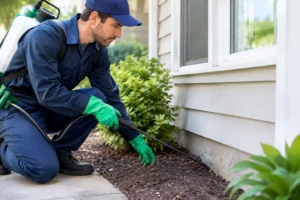
Chemical treatment is one common option. In a professional setting, this does not mean a quick spray and done. It means carefully applying products to cracks, crevices, bed frames, baseboards, furniture joints, and other known harborages. The goal is to reach the places bed bugs actually live, not just the surfaces people notice first.
Heat treatment is another effective method in some situations. Bed bugs and their eggs die at sustained high temperatures, so controlled heat can treat entire rooms and penetrate many hiding places at once. Heat can be very effective, but it must be managed correctly. Room contents, insulation patterns, clutter levels, and cooler hidden zones can all affect results. That is why professional monitoring is essential.
Many successful programs use a combination approach. For example, targeted product application may be paired with vacuuming, steam treatment in select areas, mattress encasements, interception devices, and follow-up inspections. This layered method often gives better long-term control than relying on only one tactic.
What happens after the first treatment
One treatment is not always the end of the process. Bed bug eggs can survive depending on timing and product choice, and newly emerged bugs may appear days later. That is why follow-up matters.
A professional follow-up visit usually checks whether activity has dropped, whether bites are continuing, and whether new evidence such as live bugs, cast skins, or spotting is still present. Additional treatment may be performed in key areas if needed. In larger infestations or multi-unit properties, repeat service is often part of the original plan rather than a sign that treatment failed.
This is where customers benefit from realistic expectations. You may still see signs of activity shortly after the initial service, especially if the infestation was established before treatment began. What matters is whether activity is steadily declining and whether the treatment plan includes monitoring and adjustment.
Bed bug extermination process for apartments, rentals, and businesses
Single-family homes are one thing. Multi-unit buildings and commercial properties are different because bed bugs can travel between rooms and neighboring spaces. In apartments, condos, senior living communities, hotels, shelters, and office settings, treatment often requires broader coordination.
Property managers should move quickly once bed bugs are reported. Delays can lead to more rooms becoming affected, more tenant complaints, and higher treatment costs. A room-by-room or unit-by-unit inspection may be needed to determine whether the issue is isolated or spreading.
Businesses also need discretion and speed. A bed bug problem in a hospitality setting, break room, lounge, or furnished office can affect employees, customers, and online reputation. The response should be thorough, but also organized to reduce downtime and avoid unnecessary disruption.
How to avoid reinfestation after treatment
Even a successful treatment can be undone if bed bugs are brought back in. Prevention is not complicated, but it does require attention.
Travel is one of the most common sources. Inspect luggage after trips, wash and dry clothing on appropriate heat settings, and avoid placing suitcases directly on beds. Used furniture is another risk, especially upholstered pieces and mattresses picked up without knowing their history.
For landlords and managers, early reporting is essential. Tenants should know to report bites or suspected bugs right away rather than waiting. The earlier the issue is addressed, the more contained and affordable it usually is.
Ongoing monitoring can also help. Interceptors, periodic inspections, and a responsive pest control partner make a difference, especially in properties with frequent move-ins, guest turnover, or shared walls.
When to call a professional right away
If you have seen live bed bugs, found clusters of bites, or noticed dark spotting around beds or furniture, it is time to act. Waiting usually gives bed bugs more time to spread. That can mean higher treatment costs, more preparation, and more disruption for everyone in the property.
For Southern California homes and businesses, speed matters just as much as the treatment method. A local company that understands residential homes, apartments, and commercial spaces can move faster, inspect more accurately, and build a treatment plan that fits the situation. Impressive Exterminating approaches bed bug control that way – with fast response, safe and effective treatment, and a focus on preventing the problem from coming back.
The right time to deal with bed bugs is the moment you suspect them, because the fastest path back to normal is a clear plan, professional treatment, and follow-through that does not leave room for them to return.