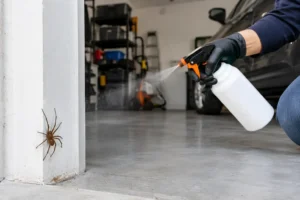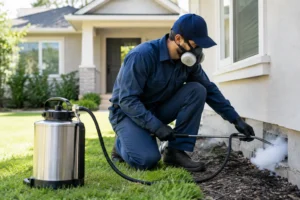
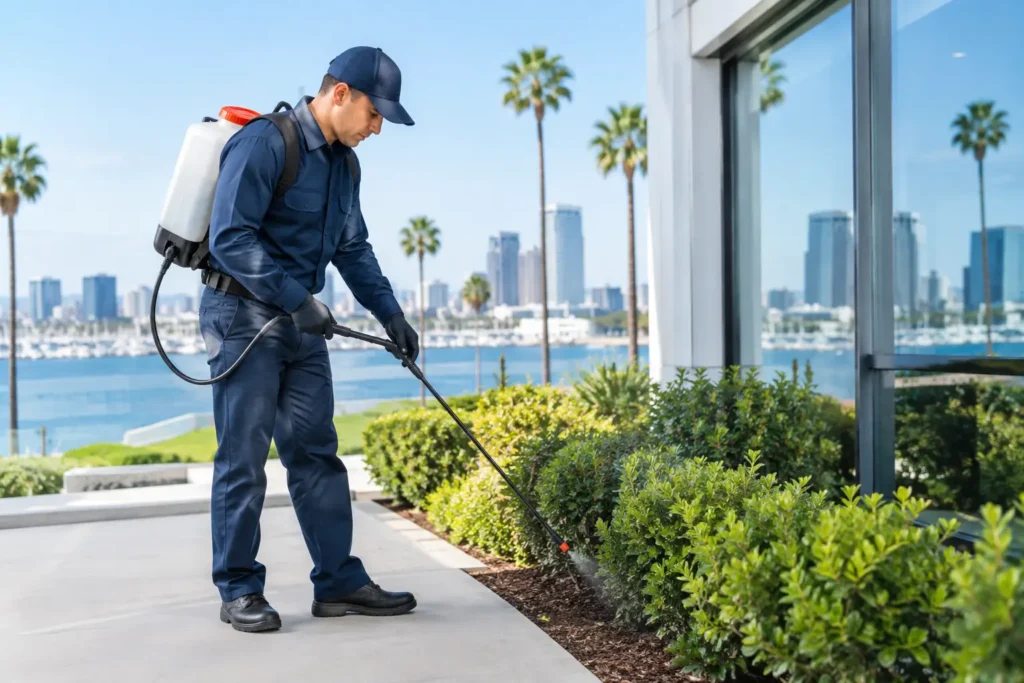
A pest sighting at a commercial property is rarely just one pest sighting. A mouse near a break room, ants along a service counter, or droppings in a storage area can quickly become a health concern, tenant complaint, customer review, or costly property issue. This Long Beach commercial pest guide explains what local business owners and property managers should watch for, what to do first, and how ongoing pest prevention protects the people and property that depend on your building.
Why Commercial Pest Problems Need Fast Action
Commercial properties create the conditions pests need most: food, water, shelter, warmth, and frequent entry points. Restaurants, offices, retail stores, warehouses, multifamily buildings, medical offices, and industrial spaces all have different risks, but none can afford to ignore early activity.
In Long Beach, pest pressure can remain active throughout much of the year. Rodents look for protected nesting areas, ants follow moisture and food sources, and cockroaches can establish themselves in hidden voids around kitchens, drains, equipment, and utility lines. Coastal conditions, dense development, shared walls, and regular deliveries can make prevention more complicated than it is at a standalone property.
Waiting for the problem to become obvious is often the expensive choice. By the time customers or tenants see pests, activity may already be established behind walls, above ceilings, under floors, or around exterior access points. Fast, professional inspection gives you a clearer picture and helps stop a small issue before it disrupts operations.
The Most Common Commercial Pest Risks
Rodents and Mice
Rats and mice are a serious concern for commercial properties because they can contaminate food, damage wiring, chew packaging, and spread activity through walls and ceiling spaces. Fresh droppings, gnaw marks, grease marks along walls, shredded nesting material, and unusual odors all warrant prompt attention.
Rodent control is not only about placing traps. Effective service identifies where rodents are entering, where they are nesting, and what is allowing them to stay. A treatment plan may include targeted removal, exclusion recommendations, monitoring, and follow-up service. The right approach depends on the property layout, the type of business, nearby landscaping, trash handling, and whether neighboring spaces share access points.
Ants, Cockroaches, and Other Crawling Pests
Ants often appear in employee kitchens, restrooms, break rooms, and around exterior doors. They may be drawn to crumbs, drink spills, leaking fixtures, landscaping moisture, or unsealed food storage. Treating the visible trail can reduce activity temporarily, but long-term control means addressing the colony and the conditions that keep attracting it.
Cockroaches require the same level of urgency, particularly around food service, healthcare, lodging, and multifamily properties. Roaches hide in tight, warm spaces and can travel through wall voids, drains, utility penetrations, and shipments. A customized treatment plan should focus on targeted treatment, sanitation concerns, monitoring, and repeat visits when necessary.
Silverfish, spiders, and occasional invaders may be less visible than roaches or rodents, but their presence can still affect tenant confidence and customer perception. A thorough inspection prevents a generic treatment from missing the actual source of the issue.
Termites and Wood-Damaging Pests
Termite activity can be quiet for months or years. Damaged wood, mud tubes, discarded wings, bubbling paint, or doors that suddenly stick can all point to a larger concern. Commercial owners and property managers should not assume termite damage is limited to older buildings. Any structure with wood components, moisture issues, landscaping contact, or hidden access points can be vulnerable.
A termite inspection determines the extent of activity and the most appropriate treatment option. In some cases, a localized treatment may be appropriate. In others, broader treatment or fumigation may be needed. The trade-off is simple: a smaller treatment can make sense when activity is isolated, while widespread infestation or hard-to-reach areas may call for a more comprehensive solution.
A Long Beach Commercial Pest Guide to Prevention
Pest control works best when treatment and prevention are handled together. A one-time service can address an urgent infestation, but commercial properties with regular deliveries, tenants, customers, food handling, or open doors often benefit from ongoing maintenance.
Start with the parts of the property that are easiest to overlook. Dumpster areas, loading zones, rooflines, utility rooms, irrigation systems, floor drains, storage spaces, and exterior doors should all be part of your pest prevention routine. These areas frequently provide access or harborages before pests make their way into occupied spaces.
Your staff can also make a meaningful difference between professional visits. Keep food in sealed containers, remove trash on schedule, clean spills promptly, avoid storing cardboard directly on the floor, and report pest evidence right away. These steps do not replace professional treatment, but they reduce the conditions pests use to survive.
For larger facilities or properties with multiple tenants, designate one person to document sightings and communicate with the pest control provider. A simple log of where pests were seen, when activity occurred, and what type of issue was observed helps identify patterns. It also prevents isolated complaints from being treated as unrelated problems.
What a Professional Commercial Inspection Should Cover
A commercial inspection should be more than a quick look around the building. The goal is to understand the pest, the source, the level of activity, and the business-specific risks before recommending treatment.
A qualified technician should assess:
- Interior and exterior entry points, including doors, vents, gaps, utility penetrations, and roofline concerns.
- Food, water, clutter, and sanitation conditions that may support pest activity.
- Evidence of nesting, trails, droppings, damage, insect harborages, and termite conditions.
- High-risk areas such as kitchens, storage rooms, restrooms, dumpsters, landscaping, and shared walls.
- The safest treatment schedule for your operations, employees, tenants, customers, children, and pets.
The best recommendation is not always the biggest treatment. A small office with ants may need targeted service and a moisture correction. A warehouse with rodent activity may need exclusion work, monitoring stations, and scheduled follow-ups. A restaurant or multifamily building may need more frequent service because the risk of reinfestation is higher.
Choosing a Commercial Pest Control Partner
When your reputation and property are on the line, look for a provider that responds quickly and builds a plan around your actual operation. Commercial pest control should be discreet, dependable, and clear about what happens next.
Ask whether the company provides inspection-driven recommendations, safe and eco-friendly treatment options, ongoing monitoring, and service plans that can adapt when activity changes. You should also know who to contact if you spot new evidence between scheduled visits. Fast communication matters when a tenant, employee, or customer reports a problem.
Impressive Exterminating provides commercial pest management designed around immediate relief and long-term prevention. Licensed professionals can evaluate the issue, recommend an effective treatment plan, and help reduce the conditions that invite pests back.
When to Schedule Service
Schedule an inspection as soon as you see droppings, live rodents or insects, damaged packaging, gnaw marks, termite signs, recurring ant trails, unexplained odors, or customer and tenant complaints. Do not wait for a second sighting to take the concern seriously. Early action is usually less disruptive and gives you more treatment options.
For properties without an active infestation, preventive service is still a practical investment. Regular monitoring helps catch changes before they turn into closures, damaged inventory, failed inspections, or uncomfortable conversations with tenants and customers.
A clean-looking property is not always a pest-free property, but consistent attention makes a major difference. With prompt reporting, professional inspections, and a prevention plan that fits your facility, you can keep your Long Beach business focused on serving customers instead of reacting to pests.