A single cockroach sighting in a dining room can turn into a refund, a bad review, and a call from the health department faster than most restaurant owners expect. In Southern California, where warm weather, dense urban areas, and constant food activity create ideal conditions for pests, commercial pest control for restaurants is not optional. It is part of protecting your brand, your staff, and your ability to stay open.
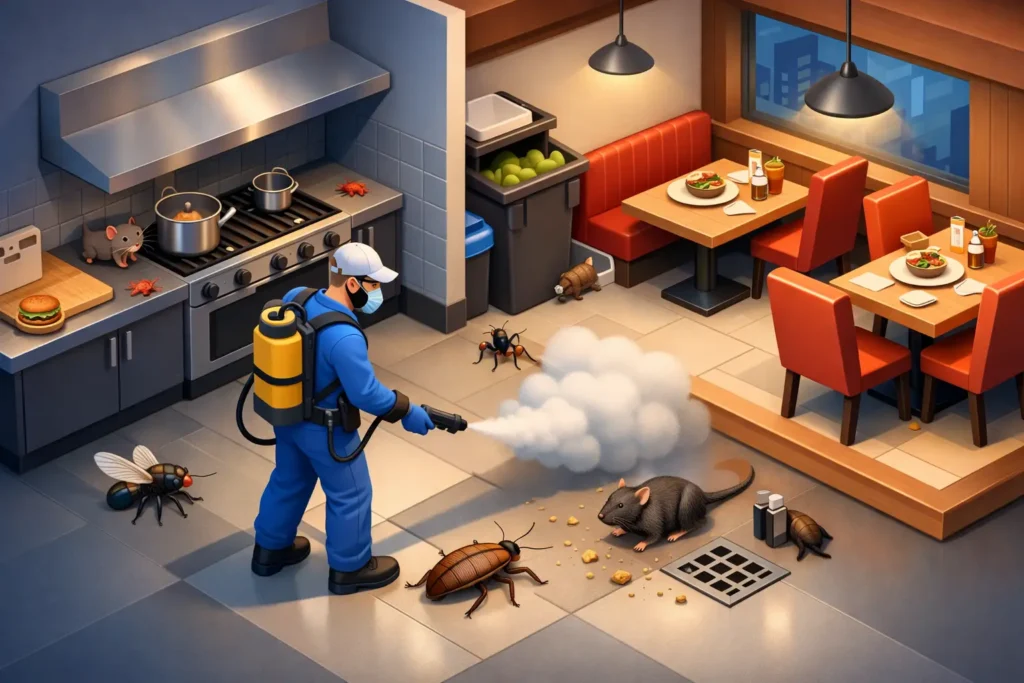
Restaurants deal with a different level of pest pressure than most businesses. Food scraps, grease buildup, drains, dumpsters, storage rooms, deliveries, and late-night operating hours all create opportunities for rodents and insects to move in. A one-time spray is rarely enough. The businesses that stay ahead of problems usually have a prevention-focused plan, regular inspections, and fast service when something changes.
Why commercial pest control for restaurants matters so much
When pests show up in a restaurant, the damage is rarely limited to the pests themselves. There is the immediate health concern, of course, but there is also the business fallout. Failed inspections, lost inventory, online complaints, staff frustration, and interrupted service can cost far more than treatment.
That is why restaurant pest control has to be proactive rather than reactive. Waiting until a customer spots a roach near the soda station or an employee hears scratching behind dry storage is the expensive route. By that point, the issue has usually been building for weeks.
The goal is not just elimination. The goal is control, monitoring, and prevention that match the pace of a working kitchen. That means understanding where pests hide, how they enter, and why some areas keep attracting them even after treatment.
The pests restaurants deal with most often
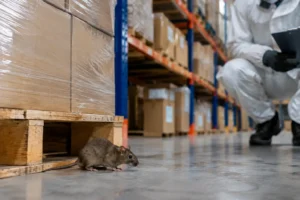
Rodents are one of the biggest concerns for restaurants in Los Angeles County and Orange County. Rats and mice are drawn to food storage, grease, cluttered utility spaces, and dumpster areas. They can chew through packaging, contaminate ingredients, and leave droppings in places customers never see but inspectors definitely will.
Cockroaches are another major issue, especially in kitchens with heat, moisture, and hidden harborage areas. They often settle behind equipment, inside wall voids, under sinks, and around drains. The challenge with roaches is that by the time one is visible during the day, there may already be a larger population nearby.
Ants can become a constant nuisance in prep areas, beverage stations, break rooms, and entry points. In Southern California, they are persistent and can be difficult to fully stop without addressing the colony source and access routes.
Flies are different from crawling pests because they are often tied directly to sanitation details, drain conditions, trash handling, and door activity. A fly problem may look small at first, but it can quickly affect guest perception in front-of-house areas.
Stored product pests can also become a problem in dry goods, flour, grains, spices, and older inventory. These infestations are easy to miss if stock rotation and inspection practices are inconsistent.
What effective restaurant pest control actually looks like
Good restaurant pest control is not just about what gets applied. It starts with inspection. A licensed professional should look at the kitchen, food storage, receiving areas, dining room, restrooms, bar, utility lines, exterior entry points, and trash zones. Every part of the operation matters because pests move through the entire property.
From there, treatment should be customized. A quick-service restaurant, full-service dining room, bakery, food truck commissary, and bar all have different risk patterns. The best plan considers business hours, the type of food being handled, moisture levels, employee traffic, and whether the property shares walls with other tenants.
Safe treatment methods matter too. In a restaurant, pest control has to work without creating unnecessary disruption for staff or guests. That often means targeted applications, baiting strategies, exclusion work, monitoring devices, and follow-up visits instead of a blanket approach.
Long-term prevention is where real value shows up. Ongoing service helps catch changes early, whether that is a broken door sweep, new rodent activity near the dumpster, or an ant issue tied to seasonal weather. Restaurants change constantly, and pest pressure changes with them.
Common problem areas that get overlooked
Some restaurant owners focus only on the kitchen line, but pests usually take advantage of the less obvious spaces. Floor drains are a frequent trouble spot, especially when organic buildup creates a breeding area for flies. Under and behind equipment is another high-risk zone because crumbs, grease, and moisture can build up where daily cleaning does not fully reach.
Receiving areas matter more than many operators realize. Deliveries can introduce pests, and doors left open during busy hours create easy access. Storage rooms with cardboard clutter are also a common hiding place for roaches and rodents.
Outside, dumpster enclosures, grease bins, cracked utility penetrations, and landscaping near the building can all contribute to interior pest activity. If the outside environment is inviting, the inside problem usually follows.
Why one-time service often falls short
For restaurants, one-time service can help with an urgent outbreak, but it usually does not solve the underlying issue on its own. Pests return when food sources, shelter, moisture, and entry points remain available. That is why recurring commercial pest control for restaurants is usually the smarter investment.
Monthly or scheduled maintenance allows for monitoring, treatment adjustments, and early detection. It also creates documentation and consistency, which can be helpful during inspections or internal operations reviews. If your business has seasonal spikes, neighboring tenant issues, or a history of recurring pests, routine service is even more important.
That said, not every restaurant needs the exact same schedule. A smaller cafe with tight sanitation controls may need a different plan than a high-volume restaurant with late-night hours and frequent deliveries. It depends on risk level, building condition, and pest history.
What restaurant owners should look for in a pest control provider
Speed matters. If there is active pest activity in a restaurant, waiting several days for service can put your operation at risk. Fast response is not a luxury in this industry. It is part of protecting revenue and reputation.
Experience with commercial food environments matters just as much. Restaurants need a provider that understands inspection standards, sensitive treatment areas, and the importance of minimizing disruption. Generic pest service is not the same as restaurant-focused service.
You also want a company that looks beyond the immediate issue. If all you get is a treatment with no discussion about entry points, sanitation gaps, monitoring, or structural risks, the fix may not last. Strong service includes recommendations, follow-up, and a clear prevention strategy.
Local knowledge helps too. Pest patterns in Southern California are shaped by weather, density, and building conditions. A provider familiar with Los Angeles County and Orange County will usually have a better read on common pressure points and seasonal activity.
How staff habits affect results
Even the best treatment plan works better when staff supports it. That does not mean your team has to become pest experts, but they should know how daily habits affect pest pressure. Cleaning under equipment, sealing food properly, rotating inventory, reporting sightings quickly, and keeping doors closed when possible all make a difference.
The important thing is consistency. A spotless kitchen one night and a neglected mop sink area the next creates openings. Pest control works best when service and operations are aligned.
This is also where communication matters. If your pest control provider notes a sanitation issue or exclusion problem, acting on it quickly can prevent a minor issue from becoming a visible infestation.
A smarter way to protect your restaurant
Restaurant owners have enough to manage without adding pest emergencies to the list. A reliable plan should give you confidence that someone is watching for problems, responding quickly, and treating your business like it matters. That means fast inspections, safe and effective treatment, and ongoing prevention built around how your restaurant actually operates.
At Impressive Exterminating, that is the standard: responsive service, customized plans, and long-term protection designed for busy commercial properties. Because in a restaurant, pest control is never just about removing pests. It is about protecting the experience your customers came for, every single day.