A scratching sound above the ceiling at midnight, ants circling a kitchen sink before breakfast, or a tenant reporting bites can turn an ordinary day into an urgent property problem. Local pest control gives Southern California homeowners, managers, and business owners a faster path to answers because the technician understands the pests, construction styles, and seasonal conditions common in the area.
The goal should not be to spray once and hope the issue disappears. Effective service identifies what is attracting pests, removes the active problem, and creates a practical plan to keep them from returning. That approach protects your comfort, your property, and the people who depend on you to keep the space safe.
Why Local Pest Control Produces Better Results
Pest problems are rarely identical from one property to the next. A home near open space may deal with rodents, spiders, and mosquitoes. A restaurant may need consistent fly, ant, and rodent prevention around food storage and trash areas. An older rental building can have hidden entry points, plumbing gaps, and shared walls that allow pests to move between units.
A local professional recognizes the patterns that matter in Los Angeles County and Orange County. Warm weather can extend pest activity well beyond a single season. Dry conditions may push rodents closer to water sources indoors, while irrigation, landscaping, and standing water can create favorable conditions for mosquitoes and other insects.
This knowledge makes treatment more precise. Instead of applying the same service everywhere, a licensed technician can inspect likely entry points, identify the pest correctly, and recommend treatment based on the property, the level of activity, and the people using the space. That matters when children, pets, tenants, employees, or customers are present.
Start With an Inspection, Not a Guess
The most effective pest control begins with finding the source. Seeing a trail of ants does not always reveal where they are nesting. Catching one rat does not mean there is only one. Finding a bed bug requires a careful inspection of beds, furniture, nearby cracks, and adjoining areas before treatment can be planned properly.
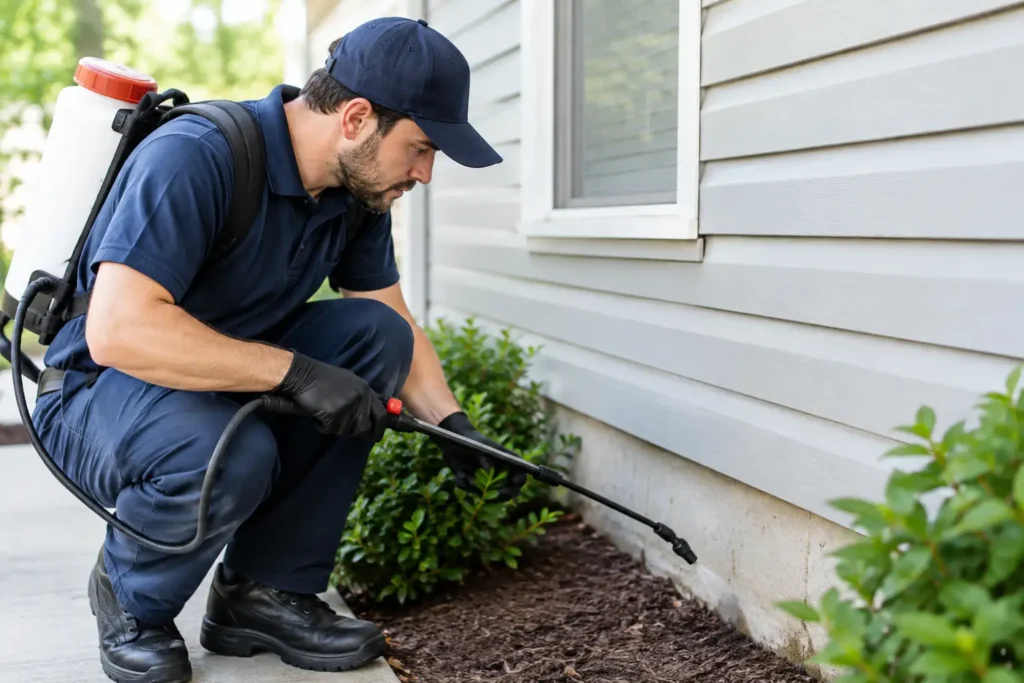
During a professional inspection, technicians look for activity, conducive conditions, damage, moisture issues, food sources, and possible entry points. They may check baseboards, cabinets, plumbing penetrations, attics, crawl spaces, exterior gaps, garage doors, utility lines, landscaping, and trash areas. For termites, the inspection also focuses on signs of wood damage, moisture, and conditions that can attract colonies.
An inspection should lead to clear recommendations, not confusing jargon. You should know what pest is present, where the concern is concentrated, what treatment is proposed, and what you can do between visits to support long-term results. If a company cannot explain its plan in straightforward terms, it is reasonable to ask more questions before approving service.
Treatment Should Match the Pest and the Property
There is no single treatment that is right for every infestation. The best option depends on the pest, the severity of activity, the layout of the property, and whether the issue is isolated or ongoing.
Ant control often requires locating trails, treating active areas, and reducing access to food and moisture. Rodent control may involve trapping, exclusion work, sanitation recommendations, and follow-up monitoring. Bed bug treatment requires thorough preparation and targeted service because missing even a small harboring area can allow the infestation to continue.
Termite control is equally specific. Some properties may be candidates for localized treatment, while widespread activity or certain construction conditions may require a more comprehensive solution, including fumigation. The right choice should be based on inspection findings rather than pressure to choose the most expensive option.
Safe, eco-friendly methods are especially valuable when service is performed in occupied homes, apartments, offices, and customer-facing businesses. “Eco-friendly” should still mean effective. It does not mean ignoring active infestations. It means using proven products and methods thoughtfully, applying them where they are needed, and combining treatment with exclusion and prevention whenever possible.
The Prevention Steps That Make Treatment Last
Professional treatment handles the immediate pest issue, but conditions around the property can determine whether pests return. Small maintenance changes often make a meaningful difference.
Seal gaps around pipes, vents, doors, utility lines, and roof openings where rodents and insects can enter. Repair torn window screens and make sure exterior doors close properly. Keep food in sealed containers, clean crumbs and grease from kitchen surfaces, and avoid leaving pet food out overnight when possible.
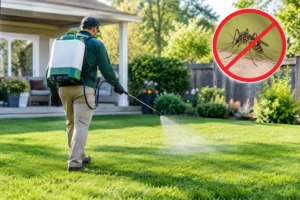
Outside, remove standing water, keep trash containers closed, and trim vegetation away from walls and rooflines. Firewood, cardboard, clutter, and stored materials should be kept off the ground and away from the structure when practical. These steps do not replace professional service during an infestation, but they reduce the shelter, water, and food pests need.
Property managers may need a broader plan. In multi-unit properties, one untreated unit or unreported leak can affect the whole building. Consistent inspections, tenant communication, prompt maintenance, and scheduled pest service help prevent a minor report from becoming a larger vacancy, complaint, or reputation problem.
When One-Time Service Is Enough and When It Is Not
A one-time treatment can be appropriate for a contained issue, such as a wasp nest in a specific location or a sudden ant trail that has not developed into repeated activity. Even then, a technician should explain what caused the issue and what signs to watch for afterward.
Ongoing maintenance is usually the better choice for recurring pests, properties with landscaping or frequent pest pressure, restaurants and offices, rental homes, and families who want prevention instead of emergency calls. Regular service creates a record of activity, allows problems to be caught early, and gives technicians the chance to adjust treatment as conditions change.
Monthly or scheduled plans can also be more affordable than waiting for a serious infestation. A rodent issue discovered after wiring, insulation, or stored belongings have been damaged is rarely a simple visit. Early monitoring is a practical investment in protecting the property.
What to Expect From a Reliable Local Pest Control Company
Fast response matters when pests are affecting sleep, food safety, tenant comfort, or a business’s daily operations. But speed should be paired with thoroughness. A dependable provider listens to the problem, schedules service promptly, arrives prepared, and explains the next steps without making promises that do not fit the situation.
Look for licensed professionals, clear treatment recommendations, and a company that offers follow-up when the pest requires it. Reviews can be useful, particularly when they mention communication, punctuality, results, and how the company handled a return concern. The lowest quote is not always the best value if it leaves out inspection, exclusion guidance, or needed follow-up visits.
For homes and businesses across Los Angeles County and Orange County, Impressive Exterminating provides customized pest management focused on fast relief and lasting prevention. Whether the concern is rats, termites, bed bugs, ants, spiders, mosquitoes, or another unwanted pest, the right plan starts with an honest inspection and a treatment built around your property.
If you have noticed fresh droppings, insect trails, bites, damaged wood, buzzing near an entryway, or unexplained noises in walls or ceilings, act before the problem has time to spread. A prompt professional inspection can turn a stressful pest concern into a clear, manageable plan.