A few ants in the kitchen rarely stay a few ants for long. The same goes for rats in the attic, termites behind the walls, or mosquitoes taking over the yard. The best pest control methods are the ones that solve the immediate problem and keep it from coming back, especially for homes and businesses in Southern California where pests stay active year-round.
For most property owners, the real question is not whether to treat pests. It is which method will work fastest, last longest, and stay safe around children, pets, tenants, and customers. The answer depends on the pest, the size of the infestation, and the condition of the property. A one-size-fits-all approach usually leads to repeat problems.
What makes the best pest control methods effective
Effective pest control starts with accuracy. If you misidentify the pest or miss the source of the activity, even a strong treatment can fail. Ants need a different strategy than bed bugs. Termites require a different approach than rats. And a restaurant with recurring flies has a different risk profile than a single-family home with seasonal spiders.
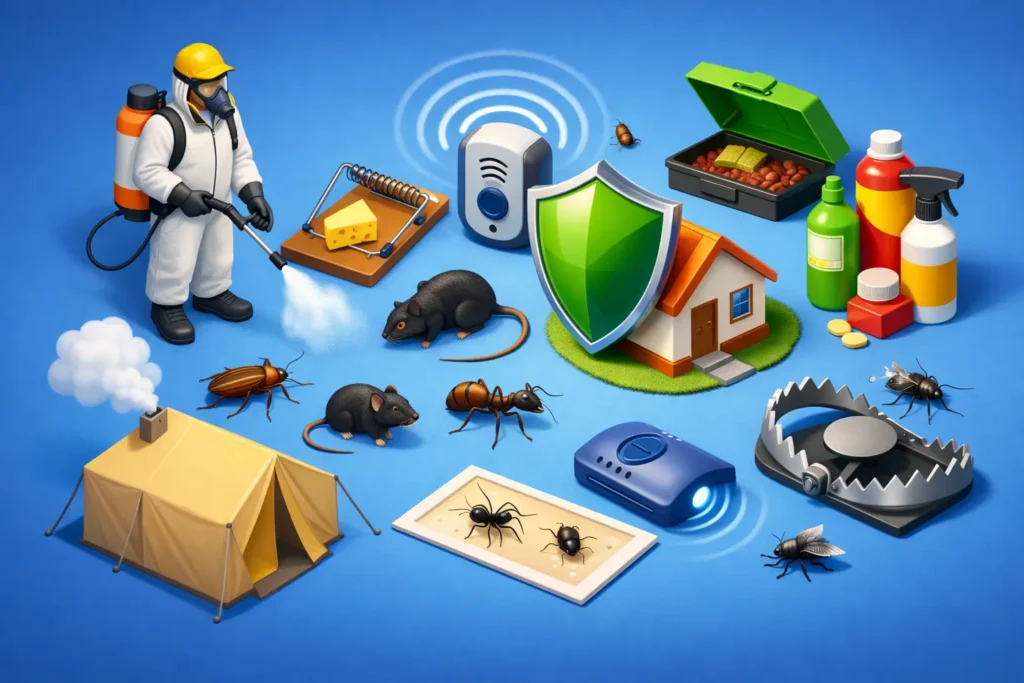
The best results come from combining fast treatment with long-term prevention. That means not only removing active pests, but also sealing entry points, reducing food and water sources, monitoring for new activity, and adjusting the treatment plan when conditions change. This is why professional pest control often outperforms store-bought products. It is more targeted, more thorough, and built to prevent repeat infestations.
Best pest control methods for long-term protection
Inspection and pest identification
Every effective service starts with a detailed inspection. This step is easy to overlook, but it is one of the best pest control methods because it tells you where pests are hiding, how they are getting in, and what is allowing them to stay.
A proper inspection looks beyond the obvious signs. Droppings, damaged wood, grease marks, nests, moisture issues, landscape conditions, and structural gaps all help determine the right treatment. For commercial properties and multi-unit buildings, inspections are even more important because pest activity can spread between units, storage areas, kitchens, trash zones, and exterior access points.
Without inspection, treatment becomes guesswork. With inspection, the plan becomes specific and much more effective.
Exclusion and sealing entry points
If pests can keep getting in, treatment turns into a cycle. Exclusion breaks that cycle. This method focuses on closing off access points such as cracks around doors, utility penetrations, roof gaps, vent openings, and damaged screens.
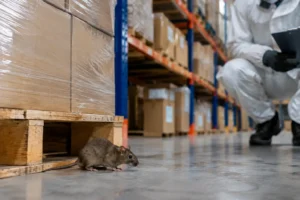
For rodents, exclusion is often the difference between short-term relief and lasting control. Rats and mice do not need much space to enter a structure. Once inside, they contaminate food areas, chew wiring, and reproduce quickly. Sealing access after removal helps stop a minor issue from becoming a major one.
Exclusion also matters for spiders, ants, cockroaches, and occasional invaders that move indoors during heat, drought, or seasonal changes. In Southern California, where warm weather extends pest activity, this preventive step pays off all year.
Sanitation and habitat reduction
Not all pest problems begin with a dirty property, but sanitation still matters. Pests stay where they can find food, water, and shelter. That makes habitat reduction one of the most practical and affordable control methods available.
Inside a home or business, this can mean improving food storage, reducing clutter, fixing leaks, and keeping trash areas clean. Outside, it may involve trimming vegetation away from the structure, removing standing water, managing fallen fruit, and cleaning debris where pests can hide.
This method has trade-offs. Sanitation alone usually will not eliminate an established infestation, especially with bed bugs, termites, or rodents. But when paired with professional treatment, it strengthens results and helps prevent reinfestation.
Targeted treatment methods by pest type
Baits and gels for ants and cockroaches
Spraying visible pests may feel satisfying, but it often misses the colony or nesting area. For ants and cockroaches, baits and gels are often among the best pest control methods because they work indirectly. The pest carries the material back to the colony or harborage, which helps control the source instead of just the ones you see.
This approach requires careful placement and patience. If the wrong bait is used, or if competing food sources are left available, results can slow down. But when matched correctly to the species and environment, baits can be highly effective with minimal disruption to the property.
For homes, this can mean safer and more discreet treatment in kitchens, bathrooms, and garages. For businesses, especially food-related properties, it offers a more controlled approach than broad overapplication.
Trapping and rodent control systems
For rats and mice, trapping remains one of the most reliable methods. It provides quick population reduction, allows monitoring of activity, and works well as part of a larger rodent control plan. In heavier infestations, multiple trap types and strategic placement may be needed based on travel paths, nesting behavior, and access conditions.
Rodent bait stations can also be effective, especially around exterior perimeters. Still, they should be used carefully and professionally, particularly where children, pets, tenants, or customers are present. The safest and most effective rodent plans usually combine inspection, trapping, exclusion, sanitation, and follow-up monitoring.
That last part matters. If no one checks the traps, tracks activity, and adjusts the plan, rodent issues often return.
Termite treatments for hidden structural damage
Termites are different from many other pests because the damage often starts before the infestation is visible. By the time you notice hollow wood, mud tubes, or swarming activity, the colony may already be established.
Among the best pest control methods for termites are localized treatments, baiting systems, and whole-structure solutions when needed. The right option depends on whether the issue involves drywood termites, subterranean termites, or widespread activity in multiple areas.
There is no shortcut here. Termite control needs a professional assessment because overtreating wastes money and undertreating leaves the structure at risk. Property owners in Los Angeles County and Orange County often benefit from routine termite inspections because mild weather allows colonies to stay active longer than many people expect.
Heat, steam, and precision applications for bed bugs
Bed bugs are one of the most stressful pest problems because they spread easily and hide well. Over-the-counter sprays rarely solve the issue completely. Professional treatment may involve heat, steam, vacuuming, targeted product application, and repeat service depending on the severity.
Heat can be very effective because it reaches pests in cracks, furniture, and fabrics where direct application is difficult. Still, it must be done correctly. Poorly managed heat treatment can miss cooler zones, while incomplete chemical treatment may leave eggs behind. With bed bugs, detail matters more than speed alone.
Why ongoing service is often the smartest method
One-time treatment can work for isolated pest issues, but many properties need ongoing protection. This is especially true for homes with recurring ant or spider activity, commercial properties with sanitation pressure, and buildings in areas prone to rodents, mosquitoes, or seasonal pest surges.
Ongoing pest maintenance is one of the best pest control methods because it shifts the focus from reaction to prevention. Instead of waiting for pests to become obvious, a recurring service plan monitors changes, catches early signs, and treats vulnerable areas before the problem spreads.
That approach saves money over time for many property owners. It also reduces stress. You are not scrambling to solve a full infestation every few months. You are staying ahead of it with a plan designed for your property.
When DIY works and when professional service is the better call
DIY pest control has a place. If you are dealing with a few exterior spiders, minor seasonal ants, or basic prevention around doors and windows, simple measures can help. Cleaning, sealing gaps, reducing moisture, and removing attractants are all worthwhile steps.
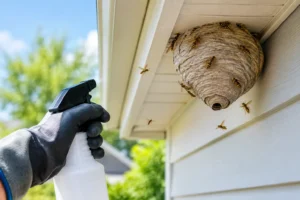
But DIY tends to fall short when the pest problem is hidden, fast-moving, or dangerous to the structure or health of the property. Rodents, termites, bed bugs, heavy roach infestations, and stinging insect nests usually need professional treatment. The same goes for recurring issues that seem to disappear and then come back.
A licensed pest professional can identify the pest correctly, choose a treatment that fits the situation, and build a prevention plan around the property. That is the difference between a temporary fix and dependable control.
For Southern California homes and businesses, speed matters, but so does follow-through. Safe materials, proven methods, and responsive service make a real difference when pests threaten comfort, health, or reputation. Companies like Impressive Exterminating focus on that full picture – fast relief, careful treatment, and protection that lasts. If pests are active on your property, the best next step is not guessing. It is getting the right plan in place before the problem grows.