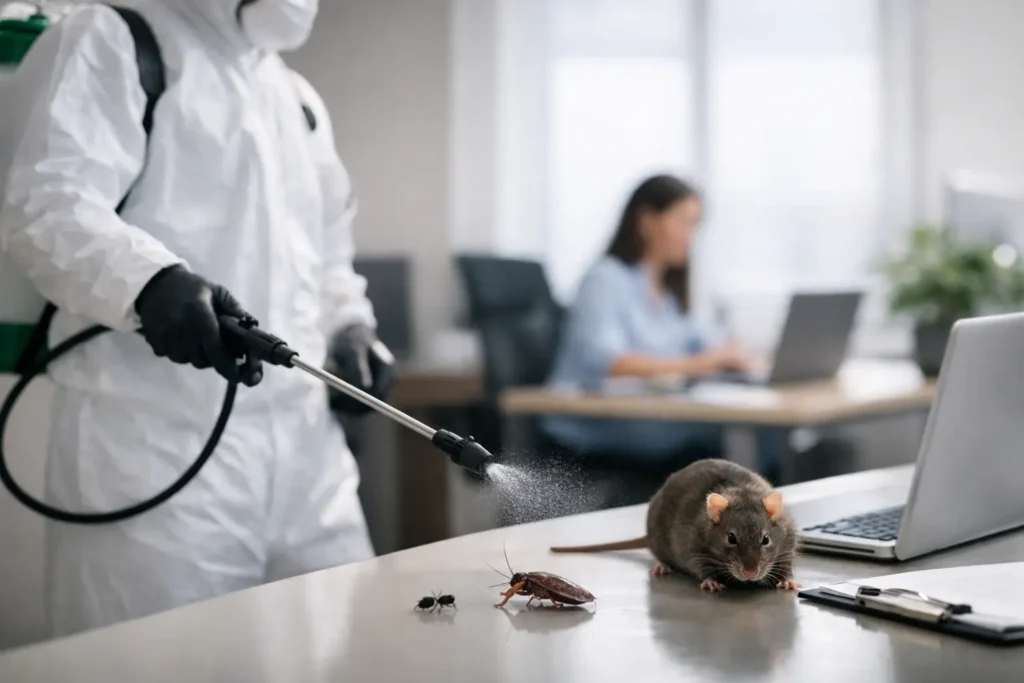
A single rodent sighting in a break room, ants near a register, or flies around a food-prep area can become more than an inconvenience. Pests can affect customer confidence, employee comfort, inventory, equipment, and your ability to meet health requirements. Knowing how to protect business from pests means addressing the conditions that attract them before a small issue turns into a costly disruption.
For businesses in Los Angeles County and Orange County, pest pressure can change with the season, nearby construction, landscaping, and the type of building you occupy. A restaurant has different risks than an office, warehouse, retail store, apartment community, or medical facility. The most reliable protection is a customized prevention plan supported by fast action when activity appears.
How to Protect Business From Pests Before They Get In
Pest control starts at the exterior of the property. Rodents, ants, cockroaches, spiders, and other pests do not appear indoors without a reason. They are looking for food, water, shelter, and entry points. Reducing those opportunities is one of the most effective ways to protect your business between professional services.
Walk the outside of your building with a practical eye. Look for gaps around utility lines, damaged door sweeps, torn window screens, openings near rooflines, and cracks around foundations. Mice can enter through openings much smaller than most people expect, while rats often exploit damaged vents, unsealed doors, and gaps around plumbing. Sealing access points is especially valuable for older commercial properties and multi-tenant buildings, where pests may move between units.
Water management matters just as much. Fix dripping faucets, leaking pipes, and standing water near dumpsters, loading areas, irrigation lines, or HVAC equipment. Mosquitoes need standing water to breed, while cockroaches and rodents are strongly drawn to dependable moisture. A minor leak behind a sink or refrigerator can support pest activity long before anyone sees it.
Landscaping should not create a bridge to the building. Keep tree branches and dense shrubs trimmed away from walls and rooflines. Remove clutter, stacked materials, and unnecessary storage from exterior walls. Cardboard, pallets, and debris give rodents and insects a protected place to hide near the very entry points you want to secure.
Build Daily Habits That Remove Food Sources
Even a well-sealed building can attract pests if food and waste are easy to access. Your team does not need a complicated protocol, but everyone should understand that crumbs, spills, open containers, and overflowing trash create opportunities.
In kitchens, break rooms, and employee eating areas, clean spills promptly and store food in sealed containers. Empty indoor trash regularly, particularly overnight and before weekends. Exterior dumpsters should have working lids and should be kept as clean as possible around the enclosure. If grease, food residue, or leaking bags collect around the dumpster, flies, cockroaches, ants, and rodents may establish activity nearby and eventually move inside.
Inventory storage deserves the same attention. Keep products off the floor where practical, use shelving that allows for cleaning and inspection, and avoid letting old boxes accumulate in back rooms. This is critical for restaurants, grocery-related businesses, warehouses, and retail locations, but it also helps offices and property management operations. Cardboard can harbor pests, and crowded storage makes early signs harder to spot.
Cleaning alone will not solve every infestation. For example, German cockroaches can spread through shared walls or arrive in deliveries, and termites are not attracted by crumbs. Still, strong sanitation removes a major source of pressure and makes professional treatment more effective.
Use a Routine Inspection Schedule
The fastest way to control a pest problem is to find it early. Assign a manager, maintenance lead, or property representative to inspect key areas on a set schedule. Weekly checks are often appropriate for food service, hospitality, warehouses, and high-traffic commercial locations. Lower-risk offices may need less frequent internal checks, but exterior conditions should still be reviewed regularly.
Pay close attention to these areas:
- Break rooms, kitchens, vending areas, and employee lockers
- Restrooms, janitor closets, utility rooms, and plumbing access points
- Receiving docks, storage rooms, trash areas, and dumpster enclosures
- Ceiling voids, crawl spaces, rooflines, and gaps around doors or windows
- Shared walls and vacant units in commercial or multi-family properties
Signs of activity are not always dramatic. Rodent droppings, gnaw marks, rub marks along walls, grease trails, musty odors, insect shed skins, small piles of frass, damaged packaging, and live insects after dark all deserve attention. Termite warning signs can include blistered paint, hollow-sounding wood, mud tubes, or swarming winged insects near windows and doors.
Document what you find, where you found it, and when. Photos and a simple log help identify patterns, such as rodent activity that increases after trash pickup or ants that appear after irrigation runs. That information also helps a pest control professional target the source instead of treating only the visible symptom.
Respond Fast When You See Pest Activity
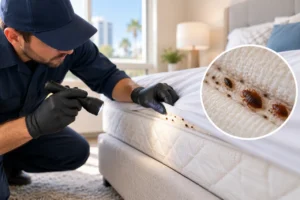
Waiting can be expensive. A few rodents can contaminate stored goods and damage wiring. Bed bugs can create a serious reputation issue in hospitality, housing, healthcare, and office environments. Termites can quietly damage structural wood over time. The right response depends on the pest, the size of the activity, and the kind of business you operate.
Avoid relying on random store-bought products as your main solution. Sprays and baits may reduce what you see, but improper use can drive pests deeper into walls, create safety concerns, or interfere with an effective professional treatment plan. This is particularly true for cockroaches, bed bugs, rodents, and termites.
Instead, isolate the immediate area when appropriate, protect food and merchandise from contamination, and arrange a professional inspection. A licensed technician can identify the pest correctly, locate likely entry points or nesting areas, and recommend treatment based on the business environment. For a restaurant or childcare setting, treatment methods and scheduling need extra care. For a warehouse, rodent exclusion and monitoring may be the priority. For an apartment building, coordinated service across affected units may be necessary.
Choose Ongoing Commercial Pest Protection
One-time treatment can be the right answer for a contained problem, but it is rarely enough for a property with recurring pest pressure. Ongoing maintenance provides regular inspections, monitoring, exclusion recommendations, and targeted treatment before activity becomes visible to customers or tenants.
A dependable commercial plan should be built around your property, not a generic schedule. Consider the building’s age, neighboring businesses, landscape, waste handling, food service, foot traffic, and previous pest history. A ground-floor retail space next to a restaurant may require a different approach than a professional office on an upper floor. Properties near open space or construction may face higher rodent and spider activity, while warm Southern California weather can extend ant, mosquito, and cockroach pressure through much of the year.
Ask what preventive steps are included, how quickly the company responds to urgent calls, and how service visits are documented. Clear communication matters. Your team should know what was found, what treatment was performed, what preparation is needed, and what conditions should be corrected to prevent a return.
Impressive Exterminating provides inspection-driven commercial pest control with safe, effective treatment options and ongoing prevention plans for local businesses. The goal is not simply to eliminate today’s visible pest activity. It is to reduce the conditions that allow pests to return.
Protect Your Reputation Along With Your Property
Customers may never notice the effort behind a well-maintained, pest-free business, and that is the point. They notice cleanliness, comfort, and professionalism. Employees also deserve a workplace where they can focus without worrying about pests in work areas, storage rooms, or common spaces.
Treat pest prevention as part of regular property care, alongside cleaning, repairs, safety checks, and maintenance. Train employees to report activity early, keep a written record of concerns, and act quickly when signs appear. This approach protects your building, inventory, and reputation while keeping small problems from demanding a large response later.
A business does not need to wait for an infestation to ask for help. A thorough inspection and a practical prevention plan can provide the confidence that your property is protected, your team has clear steps to follow, and your customers can walk in without seeing the problem you worked hard to prevent.