A bed bug sighting can make a home, apartment, hotel room, or office feel stressful overnight. So, do exterminators remove bed bugs? Yes. Licensed pest control professionals can eliminate bed bug infestations using targeted treatments, detailed inspections, and follow-up service. The key is treating more than the bugs you can see. Bed bugs hide in seams, cracks, furniture, wall voids, and other hard-to-reach areas, so a successful solution requires a thorough plan.
Do Exterminators Remove Bed Bugs for Good?
Professional exterminators remove bed bugs by identifying where the infestation is active, treating those areas with proven methods, and monitoring for remaining activity. Most established infestations cannot be solved reliably with a single store-bought spray or a quick cleaning session.
Whether bed bugs are gone for good depends on several factors: the size of the infestation, how long it has been present, the layout of the property, and whether all affected rooms are included in the treatment plan. Bed bugs can travel between adjoining apartments, hotel rooms, offices, and shared walls. In multi-unit properties, treating only one unit may not stop the problem if activity is present nearby.
A reputable exterminator will set realistic expectations. Some infestations require more than one visit because eggs can survive an initial treatment and hatch later. Follow-up inspections and treatments are not a sign that the first service failed. They are often part of the proper process for breaking the bed bug life cycle.
How Professional Bed Bug Treatment Works
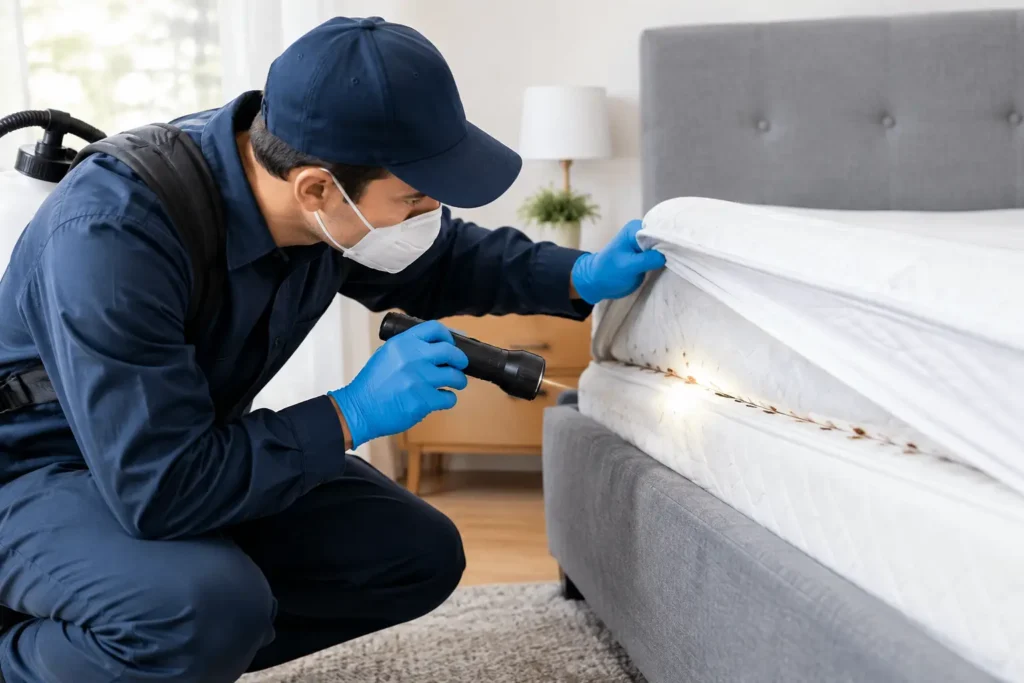
The first step is a careful inspection. A technician looks beyond the mattress for signs such as live bugs, small white eggs, shed skins, dark spotting, and bite-pattern reports. Bed bugs may be found in bed frames, box springs, upholstered furniture, baseboards, electrical outlets, luggage, curtains, and nearby cracks.
After confirming activity, the exterminator creates a treatment plan based on the property and infestation level. Professional treatment may include targeted residual products, dust formulations for voids and cracks, steam, vacuuming, mattress and box spring encasements, or heat treatment. Each method has benefits, and the right approach depends on the situation.
Chemical Treatments
Professional-grade treatments are applied precisely to hiding areas where bed bugs travel and rest. These products are selected and applied according to label directions to help control active bugs and provide residual protection in treated locations.
This approach can be effective and practical for many homes and apartments, particularly when paired with follow-up service. Residents may need to leave the treated area for a specified period, and preparation instructions must be followed closely for the treatment to work as intended.
Heat Treatments
Heat treatment raises the temperature of an affected room or structure to levels that kill bed bugs and eggs. It can produce fast results because heat reaches many hidden areas at once. However, it requires specialized equipment, careful temperature monitoring, and detailed preparation to protect heat-sensitive belongings.
Heat is not automatically the best choice for every property. It can be more costly than other treatment options, and untreated adjacent rooms or reintroduced bed bugs can still cause future problems. A professional inspection helps determine whether heat, conventional treatment, or a combined approach makes the most sense.
Integrated Bed Bug Control
The most dependable bed bug service often combines professional treatment with practical prevention. This can include reducing clutter, laundering fabrics on high heat, sealing cracks, using encasements, and monitoring after service. The goal is not simply to knock down visible insects. It is to remove the conditions that allow the infestation to continue.
Why DIY Bed Bug Removal Often Falls Short
Homeowners understandably want a quick fix, especially after finding bugs in a bed or receiving complaints from tenants. Unfortunately, bed bugs are unusually difficult to eliminate without professional help. They are small, nocturnal, and skilled at hiding. A few surviving females or eggs can restart the infestation.
Over-the-counter foggers are a common mistake. Foggers may not reach the cracks and protected spaces where bed bugs hide. In some cases, they can push bugs deeper into walls or into neighboring rooms, making treatment more difficult. Using too much pesticide or applying products in the wrong areas can also create unnecessary risks for children, pets, tenants, and customers.
Throwing away a mattress does not always solve the issue either. Bed bugs may already be in the frame, nearby furniture, carpeting, or baseboards. Replacing furniture before treatment can even spread bugs to another room or location if items are moved without care.
What You Should Do Before the Exterminator Arrives
Preparation helps your bed bug treatment work faster and more thoroughly. Your pest control provider should give you clear instructions based on the service method being used. In general, avoid moving belongings to other rooms, relatives’ homes, storage units, or vehicles before receiving guidance. That can spread bed bugs beyond the original area.
Wash bedding, clothing, and washable fabrics as instructed, then dry them on high heat when safe for the material. Place cleaned items in sealed bags or bins to prevent re-infestation. Reduce clutter around beds, sofas, and walls so the technician can access likely hiding places.
You should also notify the exterminator about recent travel, used furniture purchases, tenant turnover, or bites reported in other rooms. For property managers, early communication matters. A prompt inspection may help prevent a single complaint from becoming a larger building-wide issue.
How Long Does It Take to Get Rid of Bed Bugs?
The timeline varies. A small, recently discovered infestation may be controlled relatively quickly, while a widespread infestation can take several weeks and follow-up visits. The bed bug life cycle is one reason patience matters. Eggs may hatch after the first treatment, which is why scheduled reinspection is often recommended.
Your cooperation also affects the timeline. Completing preparation, keeping treated areas accessible, avoiding unnecessary movement of belongings, and reporting continued signs of activity all support better results. If you continue seeing bugs immediately after a service, do not panic or start applying additional products. Contact your provider so they can evaluate what you are seeing and advise you on the next step.
Choosing a Bed Bug Exterminator
When bed bugs are involved, speed matters, but so does the quality of the service. Look for a licensed pest control company that performs an inspection, explains the recommended treatment in plain language, provides preparation guidance, and includes a follow-up plan when needed.
Ask what areas will be treated, whether neighboring units should be inspected, how long people and pets need to stay out of treated spaces, and what activity you should expect after service. A trustworthy provider will answer directly rather than promising an unrealistic one-visit cure for every situation.
For homeowners, landlords, and business owners across Los Angeles County and Orange County, Impressive Exterminating provides inspection-driven bed bug control with safe, effective treatment plans tailored to the property. Fast response and clear communication can make a difficult situation far less disruptive.
If you suspect bed bugs, avoid waiting for the problem to become more visible. Keep the affected area contained, save any evidence you find if possible, and arrange a professional inspection. Quick, informed action gives you the best chance to protect your home, tenants, guests, or customers with less stress and less spread.