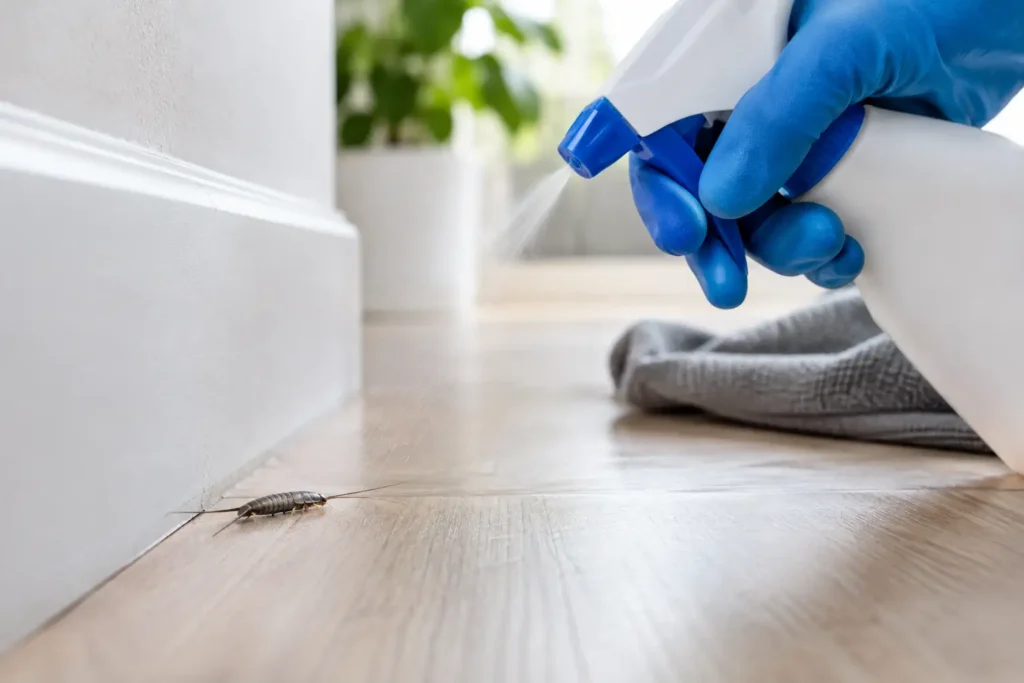
Silverfish often show up where homeowners least expect them: inside bathroom cabinets, under kitchen sinks, in closets, behind baseboards, or near stored books and paperwork. They are small, fast, and usually active after dark, so seeing even one can leave you wondering how many are hiding nearby. The best way to remove silverfish is not a single spray or trap. It is a focused plan that removes their food and moisture sources, treats active hiding areas, and prevents the conditions that allow them to return.
Silverfish are not known to bite people or spread disease, but they can damage paper, fabrics, cardboard, wallpaper, photos, and pantry goods. In Southern California homes and commercial properties, they often become a persistent issue when moisture builds up in bathrooms, laundry rooms, garages, crawl spaces, or areas with plumbing leaks.
Why Silverfish Keep Coming Back
A silverfish problem usually starts with an environment that gives them what they need: humidity, shelter, and materials containing starches or natural fibers. They feed on more than crumbs. Glue in book bindings, cardboard boxes, wallpaper paste, pet food, flour, clothing fibers, and paper products can all support an infestation.
That is why a quick cleanup may reduce sightings without solving the source of the problem. If the area stays damp and cluttered, silverfish can continue breeding in cracks, wall voids, storage areas, and spaces behind cabinets. Eggs are difficult to spot, and young silverfish can remain hidden for long periods before you notice activity again.
The most reliable solution combines sanitation and exclusion with treatment designed for the areas silverfish actually use.
The Best Way to Remove Silverfish Step by Step
Start by reducing moisture
Silverfish thrive in damp spaces. Begin by checking under sinks, around toilets, behind washing machines, near water heaters, and inside bathroom cabinets for slow leaks or condensation. Repair leaks promptly, dry wet surfaces, and avoid leaving damp towels or bath mats in a pile.
Ventilation makes a real difference. Run bathroom exhaust fans during and after showers, use a dehumidifier in consistently humid rooms, and make sure laundry areas have proper airflow. In garages, closets, and storage rooms, keep boxes and belongings off the floor when possible so air can circulate underneath.
Moisture control is especially important because it addresses the reason silverfish choose a space in the first place. Without it, even a successful treatment can become temporary.
Remove food sources and hiding places
A detailed cleaning helps make treatment more effective. Vacuum along baseboards, under appliances, inside closets, around shelving, and in the corners of bathrooms and kitchens. Pay attention to cracks where dust, hair, dead insects, and small food particles collect.
Store dry pantry goods in sealed containers rather than thin bags or open boxes. Move books, paper files, seasonal clothing, and important documents out of damp areas. Plastic storage bins with secure lids are a better long-term option than cardboard boxes, which silverfish can use for both food and shelter.
Decluttering does not mean throwing away everything in storage. It means creating enough access to inspect, clean, and treat along walls, under furniture, and around utility areas. A crowded closet or packed garage gives silverfish more protected places to hide.
Seal the routes they use
Silverfish can fit through narrow gaps around plumbing lines, baseboards, doors, vents, and utility openings. Caulking small cracks and gaps reduces access to wall voids and other sheltered areas. Door sweeps and weatherstripping can also help, particularly in garages, ground-level rooms, and commercial spaces with frequent exterior access.
Look closely around pipes under sinks and behind appliances. These locations often combine two things silverfish prefer: a concealed entry point and nearby moisture. Sealing those gaps after leaks are repaired is a practical prevention step.
Use traps for monitoring, not as the entire solution
Sticky traps can help confirm where silverfish are active and whether the problem is improving. Place them along walls, behind toilets, under sinks, in closets, or near stored materials where you have seen silverfish. Since they travel along edges and seek dark, quiet areas, trap placement matters more than placing one in the center of a room.
Traps are useful for small, isolated activity, but they do not reach eggs or silverfish hiding deep in cracks and voids. If traps continue catching silverfish week after week, treat that as a sign that moisture, access points, or a concealed population still needs attention.
Choose targeted treatment over random spraying
Over-the-counter foggers and broad indoor spraying are rarely the best answer for silverfish. They may not reach the protected areas where the insects hide, and unnecessary pesticide use can create concerns for children, pets, tenants, and customers.
Targeted professional treatment is designed around the infestation. A licensed technician can inspect likely harborage areas, identify conducive conditions, and apply appropriate products precisely where silverfish travel and rest. This may include treatment in cracks, crevices, voids, and other inaccessible areas, along with recommendations for moisture correction and exclusion.
The right treatment depends on the property. A few silverfish near a bathroom may respond quickly once a leak is fixed and activity is treated. Repeated sightings across several rooms, however, often point to broader moisture issues or hidden areas that need a full inspection.
When to Call a Professional for Silverfish Control
Professional help is a smart choice when you are seeing silverfish regularly, finding them in multiple rooms, noticing damage to books or stored belongings, or managing a property where tenant or customer comfort matters. It is also worth scheduling an inspection when cleaning and traps have not changed the problem after a few weeks.
For property managers and business owners, speed matters. Silverfish in apartment units, offices, storage rooms, retail spaces, or hospitality settings can lead to complaints and damaged inventory. A customized service plan helps address the immediate issue while establishing practical prevention steps for the building.
Impressive Exterminating provides inspection-driven silverfish control for homes and businesses throughout Los Angeles County and Orange County. The goal is not simply to reduce visible insects for a few days, but to identify why they are there and deliver safe, effective protection that holds up over time.
How to Prevent Silverfish After Treatment
Once activity has been addressed, prevention is mostly about keeping the environment dry, clean, and less accessible. Check under sinks and around appliances regularly, especially after plumbing work or heavy rain. Keep humidity under control in bathrooms, laundry rooms, and storage spaces, and avoid storing paper products or clothing directly on concrete floors.
A few ongoing habits can make a significant difference:
- Vacuum baseboards, closets, and behind furniture on a regular schedule.
- Store pantry items, pet food, papers, and seasonal belongings in sealed containers.
- Repair leaks quickly and improve ventilation in areas that stay damp.
- Seal gaps around pipes, baseboards, doors, and utility openings.
- Monitor previously active areas with sticky traps when needed.
For homes with a history of silverfish or other household pests, ongoing pest maintenance can provide another layer of protection. Regular inspections make it easier to catch moisture issues and early activity before a small problem spreads into closets, storage areas, or multiple rooms.
Silverfish are easiest to control when you act at the first signs of activity. Dry the space, remove the conditions they rely on, and get targeted help when the problem persists. That approach protects the parts of your property that matter most, from family keepsakes and pantry supplies to tenant spaces and business inventory.