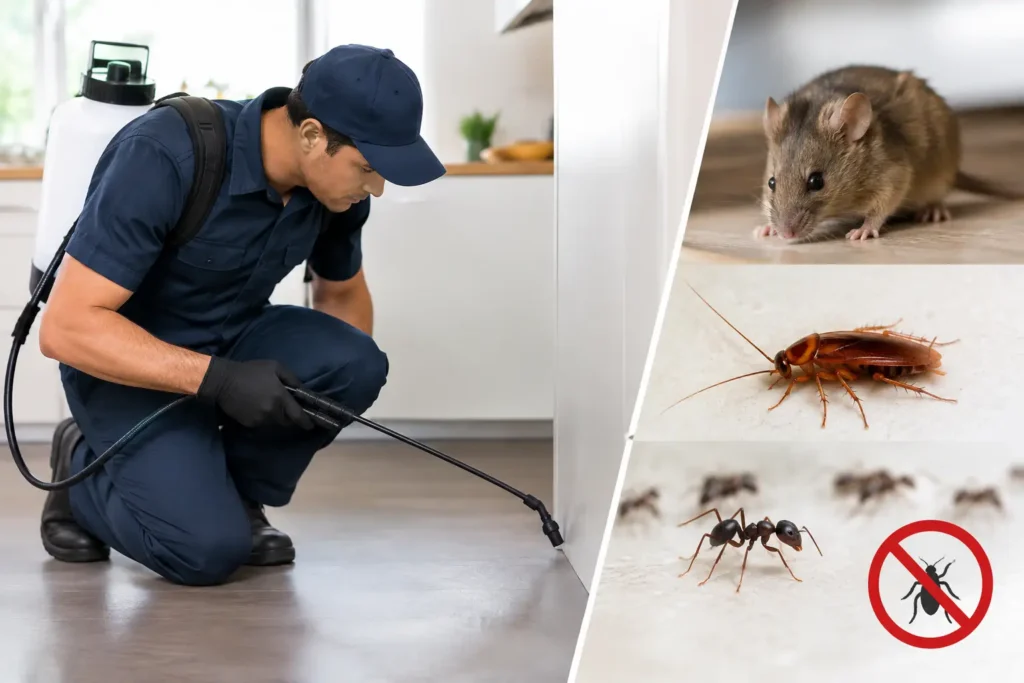
A mouse in the kitchen, ants marching across the counter, or signs of termites near a wall can make one question feel urgent: do you need pest control or extermination? In the conversation around pest control versus extermination, people often use the terms interchangeably. They are related, but they are not exactly the same approach – and the difference can affect how quickly the problem is solved and whether it comes back.
Extermination focuses on eliminating an active pest problem. Pest control takes a broader view by treating the current activity while reducing the conditions that allow pests to return. For Southern California homes, apartments, restaurants, offices, and rental properties, the right choice depends on the pest, the extent of activity, and the level of ongoing protection the property needs.
Pest Control Versus Extermination: The Main Difference
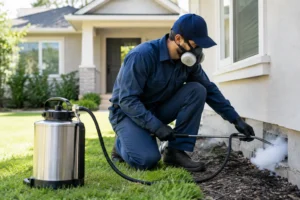
Extermination is typically focused on immediate removal. When a property has an active infestation of rodents, bed bugs, termites, cockroaches, wasps, or another destructive or disruptive pest, the first priority is to stop that activity quickly. Depending on the situation, this may involve targeted treatments, trapping, baiting, exclusion work, fumigation, or specialized applications designed for that specific pest.
Pest control includes extermination when necessary, but it does not stop there. A professional pest management plan begins with an inspection, identifies likely entry points and food or moisture sources, treats active pests, and establishes steps to prevent future issues. This may include recurring service, monitoring, sanitation recommendations, and sealing access points where pests enter.
Put simply, extermination is often the urgent response. Pest control is the ongoing strategy that helps protect the property after the immediate threat has been handled.
When Extermination Is the Right First Step
There are situations where fast, focused extermination is the clear priority. A growing rodent population can contaminate food, damage wiring, and create health concerns. Bed bugs can spread between units or rooms and become much harder to remove when treatment is delayed. Drywood termites can quietly damage structural wood, while a wasp nest near a doorway can put family members, guests, employees, or customers at risk.
In these cases, waiting for a general maintenance visit may not make sense. The property needs a prompt inspection and a treatment plan built around the pest and its location. For example, rodent control may require trapping and removal, while termite activity may call for localized treatment or fumigation. Bed bug service usually requires a detailed treatment process and follow-up because missing even a small area can allow the infestation to continue.
Extermination is also useful when a one-time event causes a sudden problem. A swarm of bees, a seasonal spike in mosquitoes, or a newly discovered nest may be resolved with a focused service if there are no signs of broader activity. However, a one-time treatment should still include practical advice about what attracted the pest and how to lower the chance of another issue.
Why Ongoing Pest Control Often Delivers Better Value
Many pest problems do not begin as emergencies. Ants may appear after a change in weather. Spiders may become more noticeable when their food source increases around the property. Silverfish, cockroaches, and rodents often take advantage of small openings, cluttered storage areas, moisture, or accessible food long before a homeowner sees them.
That is where ongoing pest control earns its value. Regular service can catch activity early, maintain protective barriers where appropriate, and give a trained technician the chance to spot vulnerabilities before they become expensive problems. For property managers and business owners, consistent service can also help avoid tenant complaints, interrupted operations, failed inspections, and damage to a hard-earned reputation.
A recurring plan is not always necessary for every property. Someone dealing with a single, isolated wasp nest may only need a targeted treatment. But homes with frequent ant pressure, properties near open space, multi-unit buildings, food-service businesses, and locations with a history of rodents or cockroaches usually benefit from proactive protection.
The goal is not to apply treatment without reason. It is to use the right service at the right time, based on what is actually happening at the property.
Treatment Methods Should Match the Pest and the Property
Effective pest management is never one-size-fits-all. The best approach depends on the pest species, the level of infestation, building construction, nearby conditions, and who uses the space. A family with children and pets may have different concerns than a warehouse, restaurant, office, or vacant rental unit.
A professional inspection helps determine whether treatment should focus on interior activity, exterior entry points, landscaping, crawl spaces, attics, wall voids, or all of the above. It also helps avoid unnecessary treatments. For example, seeing a few ants indoors does not always mean the same service is needed as a widespread infestation with multiple entry routes.
Safe, eco-conscious pest management means using scientifically proven methods carefully and purposefully. Sometimes that involves baits placed in targeted areas. Other times, exclusion work, sanitation adjustments, monitoring devices, trapping, or a perimeter treatment may be the most effective option. The right provider should explain the plan clearly, including what they found, what they recommend, and what you can expect after service.
Prevention Is Not a Replacement for Treatment
Preventive steps matter, but they cannot always solve an established infestation by themselves. Sealing a gap may keep new rodents out, yet it will not remove rodents already living in an attic or wall. Cleaning up food sources can reduce ant activity, but it may not eliminate an established colony. Likewise, reducing moisture can make a property less inviting to pests, but termites, bed bugs, and cockroaches often require professional treatment once they are active.
Prevention works best as part of a complete plan. After treatment, simple property habits can make a meaningful difference:
- Store food in sealed containers and clean crumbs, spills, and pet food promptly.
- Repair leaking faucets, plumbing issues, and areas of standing water.
- Keep vegetation trimmed away from exterior walls and rooflines.
- Seal gaps around pipes, doors, utility lines, vents, and foundation openings.
- Reduce cardboard, clutter, and stored items that give pests places to hide.
These steps do not replace professional service, but they support it. When treatment and prevention work together, results are usually faster and more durable.
How to Choose the Service You Need
Start by considering the urgency and scope of the problem. If you have visible rodents, termite evidence, bed bug bites, stinging insects near high-traffic areas, or a pest issue that is spreading, schedule an inspection as soon as possible. Fast action can limit damage, reduce health concerns, and make treatment more manageable.
If the issue is recurring, seasonal, or connected to the property’s location and condition, ask about an ongoing pest control plan. This is especially valuable in Los Angeles County and Orange County, where warm conditions can support year-round pest activity. Regular monitoring gives you a better chance of handling small changes before they turn into a larger infestation.
Cost should be considered in context. A one-time extermination may have a lower upfront price, but repeated emergency treatments can become more expensive than consistent prevention. On the other hand, paying for frequent service at a low-risk property may not be necessary. A trustworthy provider will recommend the level of service that fits the actual issue rather than pushing a plan that does not make sense.
Get Relief Now and Protection for What Comes Next
The best answer to pest control versus extermination is often both: remove the active pest problem quickly, then address the reasons it happened. That combination protects your home, tenants, customers, and property investment without leaving you to deal with the same issue again a few weeks later.
Impressive Exterminating provides inspection-driven treatment and ongoing protection plans designed around each property’s needs. Whether you need fast help with an active infestation or dependable maintenance to keep pests away, the right next step is a professional assessment and a clear plan for lasting results.