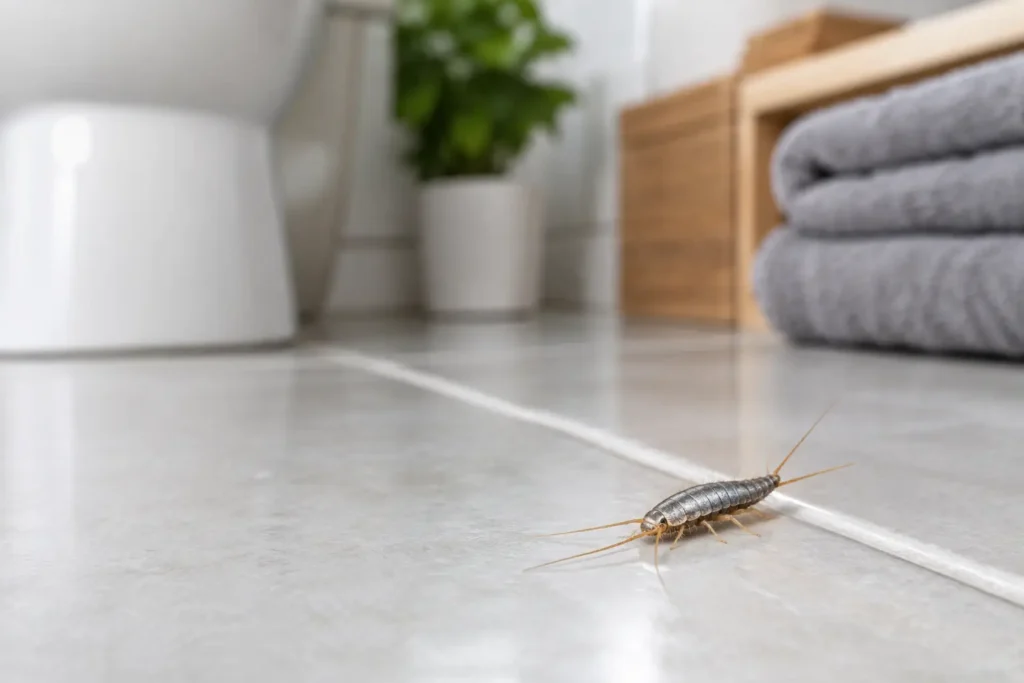
A silverfish racing across the bathroom floor after you turn on the light is unsettling, but it is also a useful clue. If you are wondering why are silverfish in bathroom areas, the answer is usually moisture, shelter, and access to food sources that are easy to miss. Bathrooms offer all three, often in a small, quiet space where pests can stay hidden.
Silverfish are not a sign that your home is dirty. They are, however, a sign that a part of the bathroom may be holding excess moisture or providing undisturbed hiding places. Acting early can keep a few sightings from becoming a recurring problem in your home, rental property, office, or commercial restroom.
Why Are Silverfish in Bathroom Areas?
Silverfish prefer humid environments. They do not need standing water to survive, but they are drawn to damp air, condensation, and slow leaks that make a bathroom more comfortable than dry areas of the property. A steamy shower, poor ventilation, wet bath mats, and plumbing moisture can all create favorable conditions.
They are most active at night and avoid open, well-lit areas. That is why people commonly spot them near baseboards, behind toilets, under vanities, inside cabinets, or around the bathtub late at night or early in the morning. Seeing one in plain view does not necessarily mean there are large numbers present, but repeated sightings deserve attention.
Bathrooms also connect to wall voids, plumbing openings, drains, and adjoining rooms. Silverfish can travel through small gaps around pipes or enter from a more humid area, such as a laundry room, kitchen, crawl space, garage, or storage area. In multi-unit buildings, conditions in neighboring units and shared plumbing spaces can contribute to the problem.
What Silverfish Eat in a Bathroom
Silverfish feed on carbohydrates and starches. Their menu is broader than most homeowners expect. In and around bathrooms, they may feed on paper products, cardboard packaging, tissue, wallpaper paste, book bindings, hair, dead insects, and natural fibers such as cotton or linen.
A cluttered vanity cabinet can give them both food and shelter. Toilet paper stored on the floor, stacks of old magazines, extra cardboard boxes, and rarely used linens are especially attractive if the area is humid. Silverfish may also feed on mold or mildew-related organic material when moisture problems are present.
This is why cleaning alone may not solve an infestation. A spotless bathroom can still support silverfish if there is a hidden leak, moisture trapped behind a wall, or an untreated entry point around plumbing.
The Moisture Problems to Check First
The most effective first step is to identify where moisture is coming from. Start by checking under the sink, around the toilet base, beneath the bathtub, and inside the vanity for drips, staining, soft materials, or a musty odor. Even a small, slow plumbing leak can create the protected damp zone silverfish need.
Next, consider humidity. In Southern California, indoor humidity can still rise quickly in bathrooms with limited airflow, especially after multiple showers. Run the exhaust fan during bathing and leave it on for 20 to 30 minutes afterward. If the bathroom has no fan, opening a window when weather permits and using a portable dehumidifier may help.
Dry wet surfaces and wash bath mats regularly. Do not leave damp towels piled in a corner or on the floor. These are simple habits, but they reduce the conditions that keep silverfish comfortable.
Do Drains Cause Silverfish?
Silverfish are often blamed on drains because they are found near tubs, sinks, and floor drains. They do not typically breed inside drains the way some small flies can. More often, they are using the humid area around plumbing or entering through gaps near pipe penetrations.
Keep drains clean and repair leaking fixtures, but focus equally on sealing openings around pipes and checking the wall or cabinet space behind them. If you repeatedly find silverfish near one drain, a professional inspection can help determine whether moisture is building up out of sight.
How to Get Rid of Silverfish in the Bathroom
A few changes can make your bathroom far less attractive to silverfish. Begin with moisture control, then remove hiding places and food sources. The goal is not to spray a visible insect and hope for the best. It is to correct the conditions that allow pests to keep returning.
Store extra toilet paper, towels, and paper goods in sealed plastic containers or on elevated shelving instead of directly on the floor. Remove cardboard boxes from bathroom cabinets and nearby closets. Vacuum behind the toilet, under the vanity, and along baseboards to remove shed skins, debris, and occasional insects that may serve as food.
Seal cracks along baseboards, gaps around plumbing lines, and openings behind cabinets where practical. Pay attention to loose wallpaper, peeling caulk, or damaged grout, since these areas can create protected harborage. Repair water damage promptly, particularly around the tub surround and under the sink.
Sticky monitoring traps can be useful for confirming where activity is strongest. Place them along walls and behind fixtures, where silverfish tend to travel. They are helpful for monitoring, but they do not correct moisture or eliminate a well-established infestation by themselves.
Why Store-Bought Treatments Can Fall Short
A store-bought insect spray may kill the silverfish you see, but silverfish spend most of their time hidden in cracks, wall voids, cabinet seams, and damp areas beneath fixtures. Treating only the open floor often misses the source of the activity.
Powders, aerosols, and bait products also need to be used carefully around children, pets, towels, cosmetics, and bathroom storage. Applying too much product in the wrong place can create unnecessary exposure without delivering better control. The right treatment depends on where the pests are traveling, the level of moisture, and whether silverfish have spread beyond the bathroom.
For isolated activity, sanitation, humidity reduction, and targeted monitoring may be enough. For repeated sightings, multiple affected rooms, or activity in a rental or commercial property, professional service is usually the faster and more reliable option. A licensed pest professional can inspect likely entry points, locate conducive conditions, and apply targeted treatments designed for the specific property.
When Silverfish Point to a Bigger Issue
Silverfish do not bite people, spread disease in the way rodents or cockroaches can, or damage a home as quickly as termites. Still, they should not be ignored. They can damage paper, photos, books, wallpaper, clothing, and stored goods over time. More importantly, their presence can point to excess moisture that may lead to mold, damaged materials, or other pest activity.
Call for an inspection if you see silverfish several times a week, find them in more than one room, notice signs of water damage, or manage a property where tenants are reporting ongoing sightings. Property managers should act quickly because bathroom moisture concerns can affect more than one unit and become more expensive when repairs are delayed.
For homeowners and businesses in Los Angeles County and Orange County, Impressive Exterminating provides inspection-driven silverfish control that focuses on safe, effective treatment and long-term prevention. A customized approach can address active pests while helping you identify the moisture and entry issues that brought them indoors.
A bathroom should be a clean, comfortable space, not a late-night silverfish sighting. Start by drying the area, repairing leaks, reducing clutter, and monitoring activity. If the problem continues, schedule a professional inspection before hidden moisture and pest activity have more time to spread.