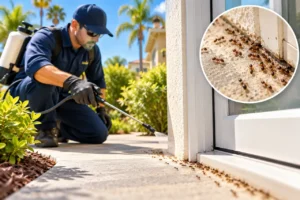
A pencil-thin mud tube along a foundation wall, a hollow sound behind a baseboard, or a small pile of what looks like sawdust can turn a routine home check into a serious property concern. A qualified termite exterminator helps determine whether termites are active, where they are entering, and what treatment will stop the damage without adding unnecessary disruption to your home or business.
In Southern California, termites are not always obvious. They can work behind walls, under flooring, in attic framing, and around moisture-damaged wood for months before visible damage appears. Acting early gives you more treatment options and can help prevent a smaller issue from becoming an expensive repair.
Signs You May Need a Termite Inspection
Termites do not usually announce themselves with dramatic damage on day one. Most property owners first notice a subtle change around a window, door frame, garage, patio cover, or exterior trim. Wood may sound hollow when tapped, paint may bubble or crack without an apparent water leak, and doors or windows may suddenly stick because termite activity has weakened or shifted the wood around them.
Subterranean termites often build narrow mud tubes from the soil to the structure. These tubes protect them from dry air while they travel between their nest and a food source. Finding one does not always tell you how widespread the problem is, but it is a clear reason to schedule a professional inspection.
Drywood termites leave a different clue. They produce small, pellet-like droppings called frass, which may collect below kick-out holes in wood. People often mistake these piles for sawdust, sand, or debris. If the pellets keep returning after cleanup, active termites may be present nearby.
Swarmers are another warning sign. These winged reproductive termites can appear indoors or around the exterior of a property, often after warm weather or moisture. Seeing discarded wings near windowsills, doors, or light fixtures means it is time to investigate, even if you do not see live insects.
What a Termite Exterminator Actually Does
Effective termite control starts with inspection, not a one-size-fits-all spray. A termite exterminator examines accessible areas of the property, looks for active termites and conditions that attract them, and identifies the species when possible. This assessment helps determine whether the problem is localized or may involve a larger portion of the structure.
The inspection should also consider moisture sources, soil-to-wood contact, cracks around utility lines, damaged fascia boards, leaking plumbing, and wood debris near the building. Termite treatment works best when these contributing conditions are addressed along with the active infestation.
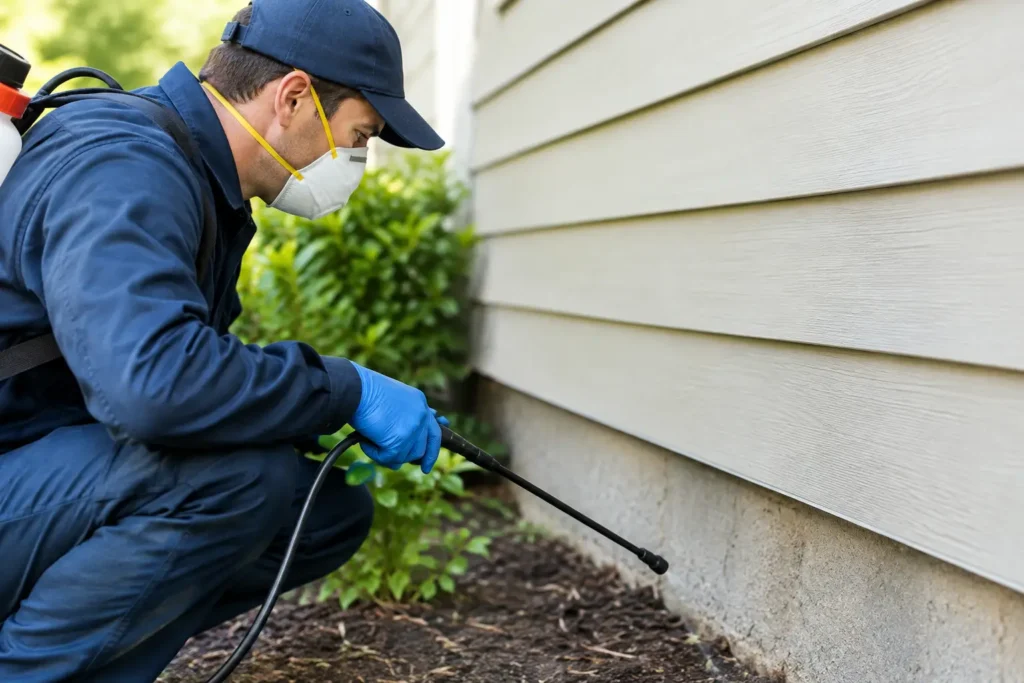
After the inspection, the treatment recommendation should match the property and the evidence found. Depending on the termite type, infestation location, construction, and extent of activity, treatment may involve localized wood treatment, targeted injections, exterior barriers, baiting systems, or fumigation.
A reliable professional will explain what the recommended method treats, what it does not treat, how long preparation may take, and what prevention steps make sense afterward. The goal is not simply to eliminate visible termites. It is to interrupt the colony’s access to your property and reduce the chance of repeat activity.
Localized Treatment vs. Fumigation
Many homeowners want to know whether fumigation is necessary. The honest answer is that it depends. Fumigation can be highly effective for widespread drywood termite infestations because the fumigant reaches hidden areas throughout the structure. However, it requires extensive preparation, temporary vacancy, and careful coordination.
Localized treatment may be a practical choice when termite activity is limited to defined, accessible areas. It can involve treating infested wood directly and addressing entry points without tenting the entire property. This option can be less disruptive, but it may not be appropriate if evidence suggests termites are present in multiple concealed areas.
Subterranean termite treatment is different because these termites typically travel from the ground into the structure. Treatments may focus on the soil, foundation perimeter, entry points, or monitored bait stations. A property with a crawl space, slab foundation, landscaping against the building, or drainage issues may need a more customized approach.
The lowest upfront price is not always the best value if it only treats the most visible evidence. Ask what area is being treated, why that treatment fits the inspection findings, and whether follow-up monitoring is included.
Why Store-Bought Termite Products Often Fall Short
Over-the-counter products can kill termites that come into direct contact with them, but that is not the same as resolving an infestation. Termites can be active several feet away from the visible damage, inside walls, below flooring, or in structural wood that is difficult to reach safely.
Do-it-yourself applications can also make activity harder to track. If termites change their travel path after a surface treatment, the infestation may continue unnoticed. This is especially concerning for rental properties, commercial spaces, and homes with older wood framing, where hidden damage can affect repair costs and tenant or customer confidence.
A professional inspection provides a clearer picture before treatment begins. It also helps prevent wasted time on products that are not designed for the termite species or location involved.
Questions to Ask Before Choosing a Termite Company
Choosing a termite provider should feel straightforward. Start by confirming that the company is licensed and experienced with the treatment type being recommended. Then ask for a clear explanation of the inspection findings in plain language.
You should also understand whether the estimate covers inspection, treatment, follow-up visits, monitoring, and any warranty terms. If fumigation is recommended, ask about preparation requirements, re-entry timing, and who will coordinate the process. If a localized treatment is proposed, ask how the technician will confirm the treated areas and what signs would indicate a need for additional service.
For property managers and business owners, communication matters just as much as treatment. A fast response, documented service plan, and practical scheduling can reduce disruption for tenants, employees, and customers. The right provider should respect the urgency of the issue without pressuring you into a treatment that does not fit the evidence.
Protect Your Property After Treatment
Termite prevention is ongoing property maintenance. No treatment can change the fact that termites are naturally present in many Southern California neighborhoods, but a few practical improvements can make your structure less inviting.
Keep soil and mulch below the level of exterior siding, and avoid stacking firewood, lumber, or cardboard directly against the building. Repair leaking faucets, roof leaks, and plumbing issues promptly because excess moisture can attract termites and contribute to wood decay. Trim plants away from walls so technicians can inspect the foundation and so moisture does not stay trapped against the structure.
It also helps to schedule inspections at sensible intervals, particularly if your property has had termite activity before, has mature landscaping, or includes older wood features. Catching activity early is usually simpler than waiting for damage to become visible.
For homeowners and businesses throughout Los Angeles County and Orange County, Impressive Exterminating provides inspection-driven termite service designed around the property, the infestation, and the level of urgency. Safe, effective treatment and clear communication give you a practical path forward when termites threaten the place you work hard to maintain.
If you have found mud tubes, frass, discarded wings, or suspicious wood damage, do not wait for the evidence to get worse. A timely inspection can replace uncertainty with a clear plan to protect your property.