
A monthly exterminator service review should answer one practical question: will recurring service stop pests from becoming a repeating source of stress? For homeowners, landlords, and business owners, the value is not simply having someone spray once a month. It is having a trained professional monitor activity, address the conditions attracting pests, and respond before a few ants, droppings, or spider webs turn into a larger problem.
Monthly pest control can be an excellent fit for Southern California properties, where warm weather supports pest activity through much of the year. But it is not automatically the best plan for every home or infestation. The right decision depends on the pest, the property, the level of activity, and whether the provider delivers real prevention between visits.
What a Monthly Exterminator Service Should Include
A dependable monthly plan begins with an inspection, not a one-size-fits-all treatment. A technician should ask what you have seen, where activity is occurring, when it started, and whether children, pets, tenants, or customers use the affected space. Those details guide a safer and more effective service plan.
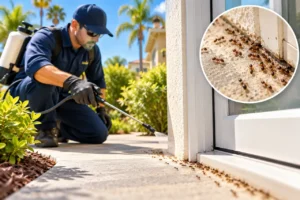
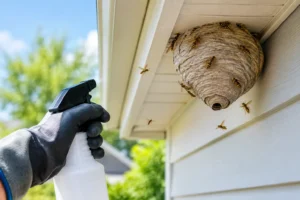
For routine pest protection, monthly visits commonly focus on ants, spiders, roaches, silverfish, earwigs, and other general household pests. Service may include exterior perimeter treatment, treatment in targeted interior areas when needed, removal of webs or nests, and recommendations for sanitation, moisture control, sealing gaps, or landscape adjustments.
The strongest plans also include monitoring. Pests change with the season, construction nearby, weather, and neighboring properties. A technician who notices new rodent evidence, worsening ant trails, or a moisture issue can adjust the approach before the problem becomes more expensive to resolve.
Monthly service should not mean unnecessary chemical use. Ask how treatments are selected, where products are applied, and what precautions are used around children and pets. Responsible pest management uses the least intrusive effective method while still addressing the source of activity. In many situations, exclusion, baiting, trapping, and habitat changes are as important as a targeted treatment.
Monthly Exterminator Service Review: When It Is Worth the Cost
The clearest benefit of monthly service is consistency. A one-time treatment may reduce visible pests quickly, but it does not always address eggs, nesting areas, entry points, or the conditions that brought pests in. Recurring service gives the provider an opportunity to verify results and make changes if the first strategy is not enough.
Monthly protection is often worth considering if your property has a history of recurring ants, roaches, spiders, rodents, mosquitoes, or other seasonal pests. It can also make sense for rental properties, restaurants, offices, warehouses, and customer-facing businesses, where a pest sighting can create tenant complaints, health concerns, or damage to reputation.
For homeowners, the value may be peace of mind. You are less likely to wait until an issue is severe before seeking help, and you have an established professional to call when activity changes. This can be especially helpful after heavy rain, heat waves, renovations, or landscaping changes, all of which can disrupt pest habitats and push pests indoors.
Still, monthly service is not always necessary. A low-activity home with no history of recurring pests may do well with bimonthly or quarterly prevention, depending on the provider’s recommendations and local conditions. A specialized infestation such as termites, bed bugs, or a major rodent problem may require a separate inspection-driven treatment plan rather than relying on a standard monthly visit.
The best providers explain this difference clearly. They do not treat monthly maintenance as a substitute for termite inspections, fumigation decisions, bed bug protocols, or structural rodent exclusion. Those issues need a focused plan, defined follow-up, and clear expectations.
What You Should Expect During Each Visit
A quality monthly service should feel purposeful, not rushed. The technician should inspect areas where pests are active or likely to enter, review changes since the prior visit, and document any new concerns. If you reported a problem before the appointment, ask whether it was checked and what was found.
Exterior work matters because the perimeter is often where prevention begins. Technicians may inspect eaves, door thresholds, windows, utility lines, garages, patios, trash areas, and vegetation that touches the structure. Inside, service should focus on active areas such as kitchens, bathrooms, laundry rooms, garages, utility spaces, and storage areas.
You should also receive practical guidance. For example, ants may require reducing accessible food and water sources, while rodents may require sealing openings around pipes, vents, rooflines, or garage doors. If a provider only treats visible insects without explaining what needs to change around the property, the results may be temporary.
Communication is part of the service. You should know what was treated, why it was treated, what you need to do next, and how to request additional help if pests return between scheduled visits. Fast response matters when activity increases, particularly for homes with young children, pets, tenants, or a busy commercial operation.
Questions to Ask Before Signing Up
Before choosing a monthly plan, ask whether the company is licensed and insured, what pests are included, and which pests require separate services. This prevents unpleasant surprises when you discover that rodents, termites, bed bugs, bees, or mosquitoes are outside the standard program.
Ask how follow-up works. Some pest activity after an initial treatment is normal, especially when nests are being disrupted or bait is drawing pests out. What matters is whether the company has a clear process for reassessment and retreatment when appropriate. A provider should explain its satisfaction policy in plain language rather than making vague promises.
Pricing deserves a direct conversation as well. An accessible starting price can be helpful, but compare what is included: frequency of visits, interior service, free callbacks, inspection fees, cancellation terms, and whether the plan has an initial service charge. The lowest monthly price is not always the best value if it excludes the support you need when a problem returns.
Finally, ask whether the plan can be adjusted. Pest pressure is not identical across every property. A home near open space may need different rodent prevention than a condo with recurring German roaches, while a restaurant may need more frequent monitoring than a private residence. Customized service is a sign that the company is focused on results rather than simply completing a route.
Signs Your Current Pest Plan Is Falling Short
A monthly plan should reduce pest pressure over time, not leave you repeatedly seeing the same activity with no explanation. Occasional pests can still appear, particularly during seasonal changes, but recurring trails, droppings, bites, nests, or indoor sightings deserve a response.
Be cautious if your technician never asks questions, never inspects beyond the same quick spray pattern, or cannot tell you what is attracting pests. Other warning signs include missed appointments, poor communication, unclear treatment records, and delays when you request help for an urgent issue.
Effective pest control is a partnership. The provider handles inspection, targeted treatment, monitoring, and professional recommendations. The property owner follows preparation guidance, reports activity quickly, and addresses conditions such as standing water, open food, clutter, or gaps that allow pests inside. When both sides do their part, ongoing service becomes far more effective.
Choosing a Local Partner for Ongoing Protection
Local experience matters because pest patterns differ by neighborhood, property type, and season. In Los Angeles County and Orange County, a provider should understand common pressures from ants, rodents, spiders, roaches, mosquitoes, and termites, as well as the needs of apartments, single-family homes, retail spaces, offices, and restaurants.
Impressive Exterminating builds monthly protection plans around inspection, safe and effective treatment, proactive monitoring, and responsive service. The goal is not to make pests disappear for a day. It is to give property owners a dependable plan for preventing the next issue while resolving the one in front of them.
If pests have become a regular concern, start with an honest inspection and a clear conversation about what your property actually needs. The right monthly plan should make your home or business easier to manage, not add another uncertainty to your schedule.