A rat scratching in the wall at midnight, a bed bug found before guests arrive, or a wasp nest above a busy entryway can turn a normal day into a serious property concern. Emergency pest control is for situations where waiting can increase health risks, property damage, contamination, or disruption for your family, tenants, employees, or customers.
The right response is not always to spray something and hope for the best. Urgent pest problems need a calm, fast assessment, safe treatment, and a plan to prevent the issue from returning. For homeowners and businesses across Los Angeles County and Orange County, that means working with a licensed pest professional who can identify the pest, locate the source, and recommend the most effective next step.
What Counts as an Emergency Pest Control Problem?
Not every ant trail requires same-day service, but some pest activity should not be ignored. An emergency usually involves immediate safety concerns, a rapidly growing infestation, potential damage to the structure, or a pest issue that could interrupt business operations.
Rodents are a common example. Rats and mice can contaminate food, leave droppings in kitchens and storage areas, chew wiring, and create fire risks. If you see fresh droppings, hear repeated movement in ceilings or walls, or notice gnawed food packaging, prompt service can stop a small entry problem from becoming a larger infestation.
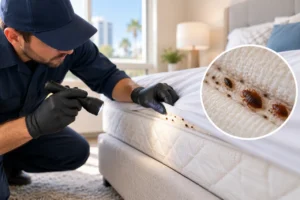
Bed bugs also require quick action. They do not spread disease in the way some pests do, but they spread easily through luggage, furniture, clothing, and adjoining units. In apartments, hotels, offices, and homes with frequent visitors, delaying treatment can make containment much harder.
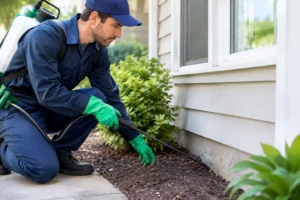
Stinging insects demand a different kind of urgency. A bee or wasp nest near doors, patios, play areas, or customer entrances creates a real risk of painful stings and severe allergic reactions. Attempting to knock down a nest yourself can provoke the colony, especially when it is hidden inside a wall, attic, eave, or utility box.
Termites are not always a middle-of-the-night emergency, but active evidence should be addressed quickly. Swarmers, mud tubes, hollow-sounding wood, or damaged trim can point to an infestation that is quietly affecting the structure. Fast inspection helps determine whether immediate treatment is needed and limits costly damage.
What to Do Before Emergency Pest Control Arrives
Your first goal is to protect people and avoid spreading the problem. Keep children, pets, tenants, and customers away from the affected area when possible. If there is a nest, do not disturb it. If rodents are present, avoid sweeping or vacuuming droppings dry, which can put contaminated particles into the air.
For a rodent issue, place exposed food in sealed containers and keep pets away from droppings or damaged areas. If a rodent is trapped in a living space, close interior doors to limit where it can travel. Do not block suspected entry holes with foam or other materials before an inspection unless directed to do so. Rodents may chew another route, and sealing without addressing the active population can create new problems.
With bed bugs, avoid moving bedding, clothing, or furniture to another room. This is one of the fastest ways to spread them. Bag washable items before transporting them to the laundry area, and keep the bags sealed until washing and drying are complete. A pest professional can provide preparation instructions that match the treatment method.
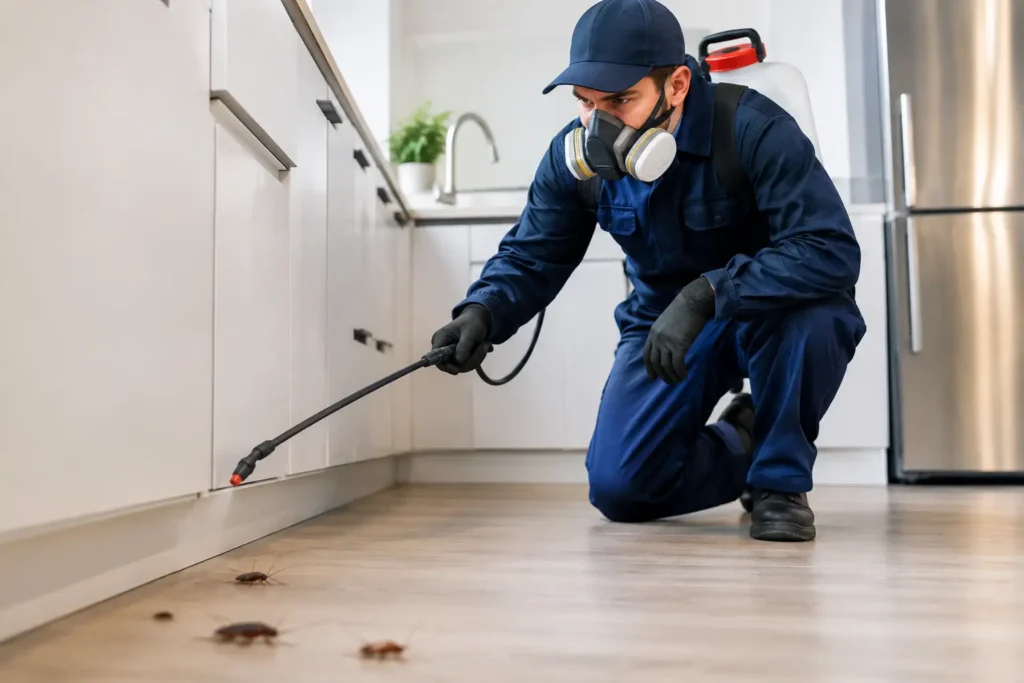
For ants, roaches, or other crawling insects, clean up accessible food residue and standing water, but do not heavily spray over the activity. Store-bought chemicals can scatter certain pests, interfere with bait treatments, and make it harder to identify where the infestation started. Take a clear photo if it is safe to do so, especially when you are unsure whether the pest is a termite, flying ant, bee, or wasp.
If someone has trouble breathing, facial swelling, dizziness, or other signs of a severe allergic reaction after a sting, call emergency medical services immediately. Pest control handles the source of the danger. Medical emergencies require medical care first.
Why Fast Treatment Needs More Than a Quick Spray
Emergency service should bring relief, but lasting results depend on what happens after the immediate problem is addressed. A visible pest is often only part of the issue. The nest may be concealed, rodents may be using multiple entry points, or a bed bug introduction may have reached more than one room.
A professional inspection looks for the conditions that allowed pests to become active. That can include gaps around pipes and doors, attic or crawlspace access, moisture problems, food storage issues, landscape debris, or neighboring activity in a multi-unit property. The best treatment plan depends on the pest, the location, the level of activity, and who uses the space.
For example, a restaurant dealing with roaches needs a treatment plan that protects food areas and supports sanitation protocols without disrupting operations more than necessary. A family home with young children and pets may need carefully targeted treatments and clear re-entry guidance. A property manager may need documentation, tenant communication, unit inspections, and follow-up monitoring. There is no one-size-fits-all emergency pest control solution.
Safe, eco-friendly pest management does not mean ignoring an active infestation. It means using scientifically proven methods with careful placement, appropriate products, exclusion work, and monitoring. In many cases, the most effective approach combines targeted treatment with practical prevention rather than relying on broad, repeated spraying.
The Pest Problems That Should Never Wait Long
Certain signs are worth treating as a priority because the consequences of delay can be significant:
- Fresh rodent droppings, chewed wiring, damaged food, or rodents seen indoors during the day.
- A suspected bed bug, bites appearing after sleep, or dark spotting along mattress seams and furniture joints.
- Bees, wasps, or hornets nesting near entryways, play spaces, outdoor dining areas, or high-traffic work areas.
- Termite swarmers, mud tubes, blistered paint, damaged wood, or piles of discarded wings near windows.
- Cockroach activity in kitchens, break rooms, childcare settings, food storage spaces, or health-sensitive environments.
Urgency can also be practical rather than dangerous. A single rat in a retail space, a wasp nest outside an office, or a bed bug report in a rental property can quickly affect customer confidence, tenant satisfaction, and daily operations. Fast response protects more than the building. It protects the people who rely on it.
What to Expect From a Professional Emergency Visit
A dependable service visit starts with questions. When did you first notice the problem? Where is activity happening? Has anyone been bitten or stung? Are there children, pets, tenants, customers, or food-handling areas to consider? These details help the technician prepare for the right type of inspection.
At the property, the technician should identify the pest when possible, assess the extent of activity, and explain recommended treatment in straightforward terms. You should understand what will be treated, what you need to do before or after service, and whether follow-up is recommended. Some issues can be controlled in one visit. Others, including bed bugs, rodents, and termites, may require a phased approach for complete control.
For recurring or high-risk properties, ongoing pest maintenance can be the smarter investment. Regular monitoring catches activity earlier, reduces the chance of severe infestations, and helps maintain a clean, protected environment year-round. This is especially useful for rental homes, multi-family communities, restaurants, offices, warehouses, and homes with a history of pest pressure.
Protect the Property After the Immediate Problem Is Resolved
Once active pests are under control, prevention becomes the priority. Repairing gaps around utility lines, doors, vents, and roof edges can keep rodents and insects from returning. Fixing leaks, improving drainage, and reducing standing water removes the moisture many pests need. Clean storage areas, sealed food, managed trash, and less clutter give pests fewer places to feed and hide.
Outdoor conditions matter too. Trim vegetation away from the building, avoid stacking firewood against walls, and keep patio and trash areas maintained. These small changes do not replace professional treatment when there is an infestation, but they make your property far less inviting afterward.
If pest activity is affecting your home, rental property, or business, act while the issue is still manageable. A fast inspection and a focused treatment plan can restore peace of mind today while helping prevent the next urgent call tomorrow.