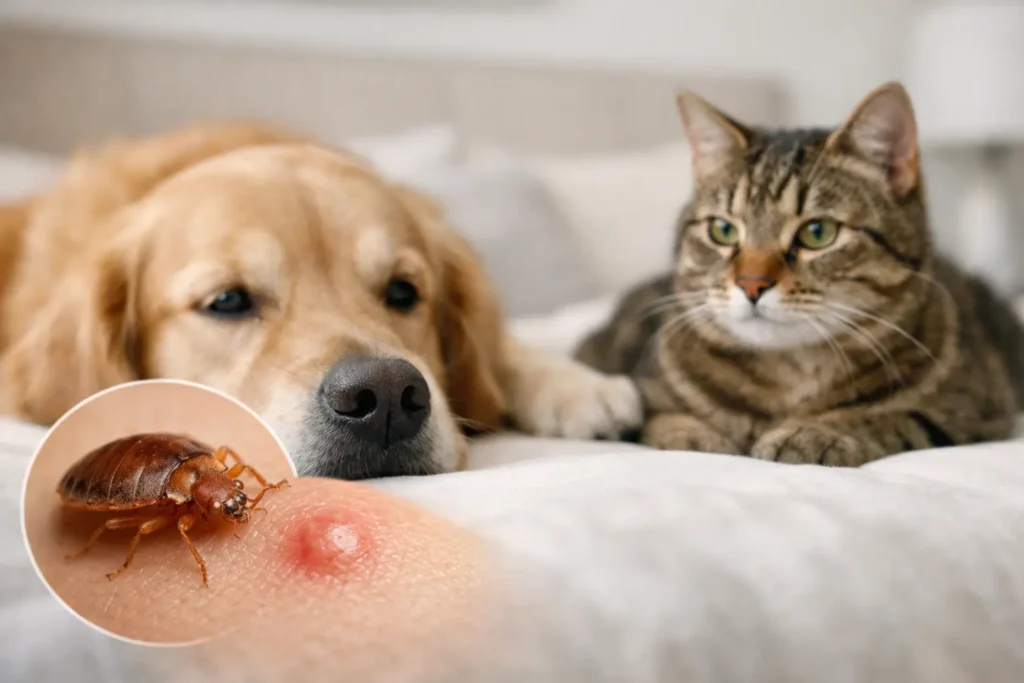
A dog that suddenly scratches at night or a cat with small red bumps can put pet owners on alert. Bedbugs bite pets when people are not readily available, although humans are usually their preferred food source. The bigger concern is not that your pet brought bed bugs home. It is that an established bed bug problem can affect every person and animal in the space until it is professionally treated.
Bed bug activity is stressful, especially when children, tenants, customers, or pets are involved. Knowing what bed bug bites look like, where these pests hide, and what to do next helps you respond quickly without using products that could make the situation worse.
Do Bedbugs Bite Pets?
Yes. Bed bugs can feed on dogs, cats, birds, and other warm-blooded animals. They are attracted to body heat and carbon dioxide, not to fur, so a pet sleeping near an infested bed, couch, crate, or upholstered chair may be bitten.
Still, bed bugs do not live on pets the way fleas and ticks can. They do not build nests in fur, stay attached while feeding, or use your dog or cat as a permanent home. After feeding, they usually return to narrow hiding places near where people or animals rest. Those hiding places may include mattress seams, bed frames, headboards, baseboards, nightstands, upholstered furniture, curtains, and cracks around the room.
That distinction matters. Bathing a pet can be useful for normal grooming, but it will not eliminate a bed bug infestation in the home. The infestation must be found and treated at its source.
Signs Bed Bugs May Be Biting Your Pet
Pets cannot tell us when they have been bitten, and skin reactions vary widely. Some animals show obvious irritation; others have little to no visible reaction. It is also easy to mistake bed bug bites for flea bites, allergies, dermatitis, mange, or irritation from outdoor pests.
Possible signs include increased scratching, licking, chewing at the skin, small red raised bumps, irritated areas on the belly or inner legs, and restless behavior around bedtime. Bites may be easier to spot where fur is thinner, such as the ears, abdomen, groin, or under the legs. A pet may also avoid a bed, crate, or favorite couch where activity is concentrated.
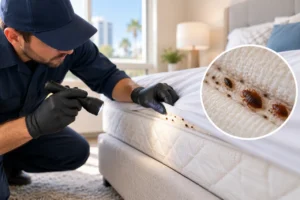
The clearest clue is usually not the bite itself. Look around the pet’s sleeping area and nearby furniture for actual evidence: small reddish-brown bugs, pale shed skins, tiny white eggs, dark specks that resemble ink dots, or small rusty stains on sheets and pet bedding. Bed bugs are excellent at hiding, so a quick glance may not reveal them.
If your pet has widespread irritation, broken skin, hair loss, swelling, signs of infection, or a sudden change in behavior, call a veterinarian. A vet can rule out common medical and parasite-related causes and recommend safe care for the skin. Do not assume every itchy pet has bed bugs.
Bed Bugs, Fleas, and Ticks Are Not the Same Problem
Fleas are far more likely to remain in pet fur and may jump when disturbed. You may see flea dirt, which looks like black pepper, especially near the tail base, neck, and belly. Ticks attach to the skin and can often be felt or seen as a small bump. Bed bugs neither jump nor burrow into the skin. They crawl, feed briefly, and retreat to a hiding place.
This difference changes the right treatment. Flea prevention prescribed or recommended for your pet may control fleas, but it will not kill bed bugs hiding in a mattress or wall crack. Likewise, a home bed bug treatment plan may not address fleas living in carpeting and on animals. Correct identification prevents wasted time and unnecessary pesticide exposure.
What to Do if You Suspect Bed Bugs Around Pets
Start by limiting the spread. Avoid moving pet beds, blankets, crates, pillows, or furniture into another room or taking them to a friend’s home. Bed bugs can hitchhike on fabric and belongings, turning one affected area into several.
Wash pet bedding, blankets, washable covers, and nearby linens according to the fabric label, then dry them using the highest heat the items can safely handle. Heat from a full dryer cycle is especially useful because bed bugs and their eggs are vulnerable to sustained high temperatures. Place cleaned items in sealed bags or bins until the affected area has been treated.
Vacuum seams of pet beds, nearby rugs, upholstered furniture, baseboards, and cracks around the sleeping area. Empty the vacuum contents into a sealed bag, place it in an outdoor trash container, and clean the canister if your vacuum has one. Vacuuming can reduce visible activity, but it does not reach every hidden bug or egg.
Keep pets away from areas being inspected or treated, and follow all preparation and re-entry instructions from the pest control professional. If your pet needs a temporary sleeping location, choose a clean, monitored area rather than moving its usual bedding throughout the home.
Avoid DIY Treatments That Put Pets at Risk
When people are worried about bites, it is tempting to spray a pet bed, mattress, or carpet with whatever product is available. That can be dangerous. Some insecticides, essential oils, foggers, and concentrated cleaners can cause serious problems when pets inhale them, walk through residue, or lick treated surfaces.
Never apply a household bed bug pesticide directly to your dog or cat unless a veterinarian has specifically instructed you to use that product. Do not use alcohol, bleach, kerosene, or heat devices on beds, furniture, or pet areas. These approaches can create fire hazards, damage property, and expose your household to harmful fumes without eliminating the infestation.
Bug bombs and foggers are another common mistake. They often fail to reach bed bugs hidden deep in cracks and may drive pests farther into walls or adjacent rooms. Effective control depends on a detailed inspection, targeted treatment, careful follow-up, and monitoring for remaining activity.
Why Professional Bed Bug Control Is Usually the Faster Path
Bed bugs are difficult because they hide well, reproduce steadily, and can survive for extended periods between feedings. A few visible bugs may represent a much larger population tucked into furniture joints, outlet areas, wall voids, or items stored near the bed.
A trained bed bug technician looks beyond the mattress. The inspection should identify likely harborages, assess how far activity has spread, and determine the treatment approach that fits the property. A single-family home, apartment unit, hotel room, office, or commercial property may require different preparation and coordination.
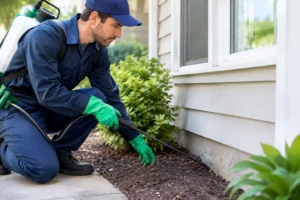
Professional treatment also protects pets by reducing the temptation to overapply store-bought products. A licensed provider can explain which spaces need preparation, when animals can safely return, and what follow-up monitoring is needed. In Los Angeles County and Orange County, Impressive Exterminating provides inspection-driven bed bug control designed to address active infestations and help prevent repeat problems.
Can Your Pet Carry Bed Bugs to Another Home?
A pet is not a normal host for bed bugs, but bed bugs can occasionally hitch a ride in a blanket, carrier, collar area, or thick coat after feeding. The greater risk is usually the belongings around the pet: bedding, soft toys, fabric carriers, and blankets moved between rooms, vehicles, boarding facilities, or homes.
Until the problem is under control, avoid boarding your pet if possible and let groomers, sitters, or veterinary staff know if there is a confirmed infestation and a visit cannot be delayed. Use clean, heat-treated bedding in a carrier, inspect it before travel, and avoid transporting loose blankets from the affected room.
Protecting Pets While the Home Is Treated
Your pest control provider should give clear directions tailored to the treatment plan. In many cases, pets must be removed during service and remain out until treated surfaces are dry and the stated re-entry time has passed. Fish tanks, bird cages, reptile enclosures, and small animal habitats may need special handling because these animals can be especially sensitive to airborne products and residues.
Ask direct questions before treatment: Where should pets stay? Which items need laundering? Can pet beds be treated or should they be replaced? How long should animals remain out of the home? Clear answers help you prepare safely and avoid last-minute stress.
A pet’s itching can be the first sign that something is wrong, but the answer is rarely found in the pet alone. Check the sleeping areas, protect your animals from improvised pesticide use, and arrange a prompt inspection when bed bug evidence appears. Fast, careful action gives your household the best chance to get back to comfortable nights and clean resting spaces.