A bed bug problem can make every night feel uncertain. After treatment, most customers want one clear answer: are the bed bugs gone? Reliable bedbug remediation results are measured by more than a quiet night or the absence of one visible insect. They include reduced activity, no new bites over time, careful follow-up, and a plan that prevents surviving bugs or newly introduced bed bugs from restarting the infestation.
For homeowners, landlords, and business owners, the goal is not simply to kill visible bed bugs. The goal is to resolve the infestation thoroughly while protecting the people who live, work, or stay on the property.
What Good Bedbug Remediation Results Look Like
Successful treatment usually produces a clear downward trend in bed bug activity. You may stop seeing live bugs, fresh spotting, shed skins, or new bite patterns. However, the timeline can vary based on the size of the infestation, the treatment method, the structure of the property, and how well preparation instructions are completed.
A small, early infestation in one bedroom may show fast improvement. A well-established infestation in a multi-unit building, a furnished rental, or a home with heavy clutter can require more time and more than one service visit. That is not necessarily a sign that treatment failed. Bed bugs are skilled at hiding in mattress seams, furniture joints, baseboards, wall voids, and nearby belongings. Their eggs can also survive some treatments that eliminate active bugs.
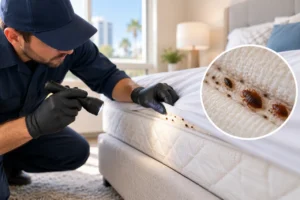
The strongest results are confirmed through inspection and monitoring, not guesswork. A trained technician looks for live activity and physical evidence in the areas where bed bugs travel, feed, and hide. When inspections remain clear over the recommended monitoring period, you can have much greater confidence that the issue has been controlled.
Why One Treatment Is Not Always the Finish Line
Bed bugs do not follow a convenient schedule. Eggs may hatch after an initial treatment, and missed hiding spots can allow a small number of insects to remain active. For that reason, follow-up service is often a necessary part of a complete bed bug control plan.
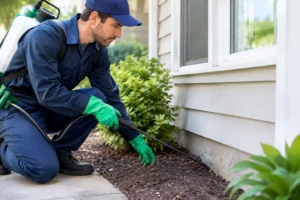
The appropriate approach depends on the situation. Heat treatments can deliver rapid results when performed correctly because lethal temperatures can reach bed bugs in many life stages. Targeted applications may be used to treat cracks, crevices, furniture, and other areas where bed bugs harbor. In some cases, a combination of methods offers the best balance of speed, coverage, and long-term control.
A professional should explain what method is being used, what you need to do before treatment, and when to expect a follow-up inspection. Be cautious of any service that promises an instant result without inspecting the property or discussing the possibility of eggs, neighboring units, or reintroduction.
Bites Alone Do Not Confirm Treatment Failure
New bites can be frustrating, but they are not always proof that live bed bugs are still present. Skin reactions can appear days after a bite, and some people react differently from one exposure to the next. Other pests and skin conditions can also be mistaken for bed bug bites.
Instead of relying on bites alone, document what you observe. Note the date, room, and any physical evidence, such as a live bug, dark spotting, shed skin, or egg. Avoid moving mattresses, furniture, or bags from room to room while you are evaluating activity. Relocating items can spread bed bugs into previously unaffected spaces.
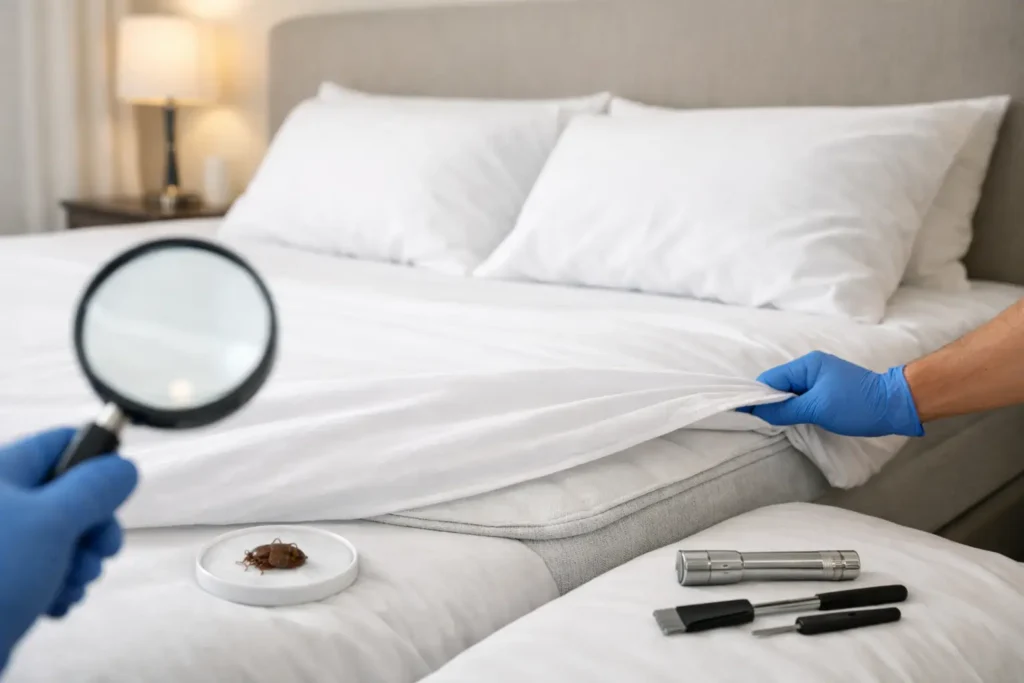
If you find a suspected bed bug, capture it in a sealed container or take a clear photo for identification. Accurate identification matters. Fleas, carpet beetles, and small household insects are sometimes confused with bed bugs, and the wrong diagnosis can lead to unnecessary stress and ineffective treatment.
The Homeowner’s Role in Better Results
Professional treatment is the foundation, but preparation and cooperation make a real difference. Bed bugs often hide close to where people sleep or rest, so technicians need access to beds, upholstered furniture, baseboards, closets, and surrounding areas.
Preparation instructions should be specific to your treatment plan. In many cases, laundering and drying bedding, clothing, and fabric items on high heat helps reduce the chance of bugs remaining in washable belongings. Clean items should be sealed and kept separate until your technician advises that they can be returned to normal use.
Clutter reduction is also valuable, but it should be done carefully. Do not carry loose belongings through the home, give away potentially infested furniture, or place items at the curb without proper precautions. Bed bugs can spread to another room, another unit, a neighbor’s home, or a shared hallway. Your pest professional can advise you on how to bag, treat, or dispose of affected items safely.
After service, follow all instructions about cleaning, vacuuming, mattress encasements, and reentering treated rooms. Some products need time to continue working in cracks and crevices. Aggressive cleaning immediately after treatment may reduce their effectiveness. Ask before shampooing carpets, washing baseboards, or applying store-bought sprays.
Bedbug Remediation Results in Apartments and Businesses
Multi-unit properties require special attention because bed bugs can move through shared walls, utility openings, hallways, and items carried between units. A tenant may do everything correctly and still experience recurring activity if nearby units have not been inspected. Property managers should respond quickly, communicate clearly, and coordinate access for inspections when appropriate.
For hotels, offices, care facilities, and other commercial properties, discretion and speed matter. A single report should be taken seriously, but it should also be verified professionally. Closing an entire operation may not be necessary. The right response depends on where activity is found, how extensive it is, and how the property is used.
A practical commercial plan may include targeted inspection, documented treatment, staff guidance, preventive monitoring, and procedures for handling guest belongings or employee reports. Fast action limits disruption and protects the business from a small issue becoming a wider infestation.
Signs It Is Time to Call for a Reinspection
A follow-up inspection is the right next step if you continue to see live bed bugs after the treatment timeline provided by your technician, find fresh spotting in treated areas, or notice activity appearing in a different room. Do not wait for the infestation to become obvious again.
You should also call if treatment preparation could not be completed, a tenant or family member brought in used furniture, travel luggage, or other items that may have been exposed, or you suspect bed bugs are entering from an adjoining unit. Early communication allows the treatment plan to be adjusted before the problem spreads.
Avoid treating the situation yourself with foggers or random over-the-counter products. Foggers often do not reach the tight spaces where bed bugs hide and can drive insects deeper into walls or other rooms. Mixing products without professional guidance can also create unnecessary exposure risks for children, pets, tenants, and staff.
Prevention Is Part of a Lasting Solution
Even excellent treatment cannot prevent every future introduction. Bed bugs may be carried in on luggage, used furniture, boxes, or personal belongings. Prevention is about finding a new problem early, before it has time to spread.
Inspect secondhand beds, couches, bed frames, and upholstered items before bringing them indoors. After travel, keep luggage off beds and inspect it before unpacking. In apartments and commercial settings, encourage early reporting without blame. People are far more likely to report a concern quickly when they know the response will be professional and practical.
For Southern California property owners who need a fast, thorough response, Impressive Exterminating can assess the source of the problem and build a treatment plan around the property, infestation level, and safety needs. The most reassuring result is not a quick promise. It is a carefully treated property, clear follow-up, and the confidence that someone is watching for the signs that matter.