
A termite problem rarely starts with a dramatic warning. It may begin with a soft spot near a window, discarded wings on a sill, bubbling paint, or a swarm that appears for one afternoon and then disappears. When you search for a termite company near me, you need more than the closest available appointment. You need a licensed local professional who can identify the termite species, find the source of activity, explain your options clearly, and help protect the property after treatment.
For homeowners, landlords, property managers, and business owners in Los Angeles County and Orange County, that process matters. Southern California properties can face both drywood and subterranean termite pressure, and the right response depends on the construction of the building, the extent of damage, and where the colony is active.
What a Reliable Termite Company Should Do First
A quality termite service starts with a thorough inspection, not a one-size-fits-all quote. The inspector should look at accessible interior and exterior areas, including attics, crawl spaces, garages, window frames, baseboards, eaves, fences, decks, and other wood-to-soil or wood-to-wood contact points.
The goal is to determine whether there is active activity, old damage, or conditions that could attract termites later. These are very different findings. Old termite damage does not always mean a current colony is present, but it should not be dismissed without a careful assessment. Likewise, a few discarded wings may indicate nearby swarming activity, even if termites are no longer visible.
A dependable provider should explain what they found in plain language. You should know where the evidence was located, whether the activity appears active, which termites may be involved, and what treatment is recommended. If an inspection feels rushed or the recommendation is vague, it is reasonable to ask more questions before approving service.
Ask How the Treatment Fits the Problem
Not every termite issue requires the same method. A trusted professional should match the treatment to the infestation instead of pushing a single solution for every property.
Localized treatment can be effective when activity is limited to known, accessible areas. This approach may involve treating affected wood or targeted voids and can be a practical choice for smaller infestations. However, it may not be the best option when evidence points to widespread drywood termite activity throughout a structure.
For extensive drywood termite infestations, whole-structure fumigation may be recommended. Fumigation can address termites in hidden locations that cannot be reached through spot treatment, but it requires preparation, temporary vacancy, and coordination. It is a significant decision, so the company should explain why it is being recommended and what the preparation process involves.
Subterranean termites often require a different strategy. Because they travel through soil and can enter through small cracks or utility openings, treatment may include a soil barrier, baiting approach, or another site-specific method. Moisture conditions, foundation design, landscaping, and access all affect the plan.
The best treatment is not always the least expensive option upfront. It is the one that makes sense for the confirmed level of risk and offers a clear path toward long-term protection.
Questions to Ask a Termite Company Near Me
Before scheduling treatment, ask direct questions. A professional company should welcome them and provide answers you can understand.
Ask whether the company is licensed and insured, what type of termites were found, and whether the recommendation is for active termites or preventive protection. Ask how long the treatment is expected to take, whether children or pets need to be out of the area, and what preparation is required.
You should also ask what is included after treatment. Does the service include a follow-up inspection? Is there a warranty or retreatment policy? What conditions could make future termite activity more likely? These details help you compare providers based on real value rather than an initial price alone.
For rental homes, multi-unit properties, offices, and retail spaces, communication is just as important as treatment. Property managers and business owners need a provider who can coordinate access, work efficiently, document findings, and minimize disruption for tenants, employees, and customers.
Watch for Quotes That Leave Out Key Details
A low quote can look appealing when termites have created an urgent problem. But a price without a clear scope of work can lead to surprises later. Make sure the estimate identifies the treatment area, method, preparation requirements, follow-up expectations, and any limitations that apply.
It is also wise to separate termite treatment from wood repair. Pest control professionals can identify damage and stop active termites, but structural repairs may require a qualified contractor. A responsible termite company will be clear about that distinction rather than suggesting treatment alone will restore compromised wood.
Why Local Experience Matters in Southern California
Termite behavior is influenced by local climate, construction styles, landscaping, and property age. A company familiar with Southern California understands that a detached garage, coastal property, older bungalow, commercial storefront, and newer planned community may each present different access points and risk factors.
Local experience also supports a faster response when activity is discovered. Waiting can allow termites to continue feeding behind walls, beneath flooring, or inside structural framing. While termites do not usually create an overnight emergency, visible swarmers, mud tubes, fresh frass, or soft damaged wood deserve prompt attention.
Impressive Exterminating provides inspection-driven termite solutions for residential and commercial properties, with service plans built around the specific conditions found at each location. The focus should always be on safe, effective treatment and prevention that fits the property, not unnecessary work.
Prevention Still Matters After Treatment
Termite treatment addresses the current issue, but prevention helps reduce the conditions that invite future activity. No property can be made completely risk-free, particularly in a region where termite pressure is common. Still, small maintenance decisions can make a meaningful difference.
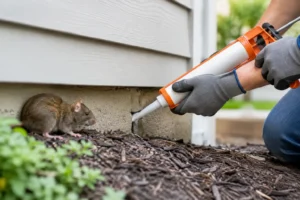
Keep mulch, soil, and stored wood from sitting directly against siding or exposed structural wood. Repair leaking faucets, roof issues, plumbing leaks, and poor drainage that create persistent moisture. Trim plants away from exterior walls so inspectors can see potential entry points and so damp conditions do not remain hidden.
It also helps to avoid storing cardboard, lumber, or firewood against the home or building. These materials can create concealed pathways and make inspections more difficult. If you own a rental or commercial property, regular inspections are particularly valuable because tenants or staff may not recognize early termite signs.
Know the Signs Worth a Call
Termites are often hidden, but their evidence is not always subtle. Call for an inspection if you notice swarming insects or discarded wings, mud tubes on foundations or walls, piles of pellet-like frass, hollow-sounding wood, sticking doors or windows, cracked paint, or unexplained damage around trim and flooring.
Do not assume every flying insect is a termite. Winged ants are commonly mistaken for swarmers, and pest identification affects the treatment plan. A professional inspection can confirm the issue before you spend money on the wrong solution.
Choose Clarity, Safety, and Follow-Through
The right termite company should make a stressful situation easier to manage. Look for fast communication, a detailed inspection, treatment options that fit the evidence, and straightforward expectations for preparation and follow-up. You deserve to understand what is happening in your property and what will be done to protect it.
If you have noticed warning signs or simply want peace of mind before termite season brings new activity, schedule a professional inspection. Acting early gives you more options, helps limit damage, and lets you make decisions with confidence instead of pressure.