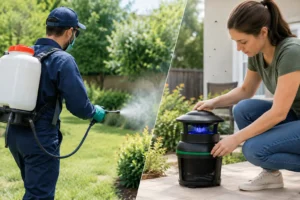

Termites can work behind walls, beneath floors, and inside structural wood long before a homeowner sees a clear warning sign. If you are searching for a termite company near Long Beach, the goal is not simply to get rid of insects quickly. You need a local professional who can identify the extent of the activity, recommend the right treatment, and help prevent expensive damage from returning.
A few discarded wings near a window, a mud tube along the foundation, or wood that sounds hollow can signal a problem that deserves prompt attention. Waiting to see whether the signs disappear can give an active colony more time to spread. The right termite company makes the process clearer, starting with a careful inspection and a treatment plan designed for your specific property.
What a Quality Termite Inspection Should Include
A termite inspection should be more than a quick look around the exterior. A trained technician needs to examine accessible areas where termites often travel or feed, including foundations, crawl spaces, garages, attics, plumbing penetrations, window frames, fences, and wood-to-soil contact points.
In Long Beach and nearby Southern California communities, subterranean termites are a frequent concern. These termites live in the soil and use mud tubes to travel into a structure while staying protected from open air. Drywood termites can also create problems by living directly inside dry wood, including framing, eaves, furniture, or trim. Since the treatment approach can differ depending on the termite species and location of the activity, accurate identification matters.
A dependable inspection should explain what was found, where it was found, and whether the evidence points to current activity, old damage, or conditions that could make future activity more likely. You should not be left guessing why a specific service is recommended.
Ask for Clear Findings, Not Vague Assurances
Termite damage can be stressful, especially when you own a rental property, manage a commercial building, or are preparing for a real estate transaction. A qualified termite professional should communicate in plain language. They should point out visible warning signs and distinguish between termite treatment and structural repair.
Pest control companies treat the infestation. If wood has been significantly damaged, a licensed contractor may be needed to assess and repair affected areas. Knowing that distinction upfront helps you plan accurately and avoid surprises after treatment begins.
Choose Treatment Based on the Infestation, Not a One-Size-Fits-All Package
The best termite treatment depends on the termite species, the size of the infestation, construction type, accessibility, and whether the activity is isolated or widespread. A reputable termite company near Long Beach should assess these factors before recommending a solution.
Localized treatment may be appropriate when drywood termite activity is limited to a small, accessible area. This can involve targeted applications directly into affected wood or termite galleries. It may be less disruptive than treating the entire structure, but it is not always the right choice when termites are present in multiple hidden locations.
For widespread drywood termite activity, fumigation may be recommended. Fumigation can reach termites throughout a structure, including colonies concealed inside walls or inaccessible framing. It requires preparation and temporary vacancy, so it involves more planning. Still, for certain properties, it is the most effective way to address a broad infestation rather than repeatedly treating one visible area at a time.
Subterranean termite treatment often focuses on establishing a protective barrier around the structure or using baiting strategies where appropriate. The right approach depends on access to the foundation, the construction of the building, and termite pressure around the property.
No treatment is automatically better in every situation. The important question is whether the recommendation fits the inspection findings and comes with a clear explanation of the expected results, preparation needs, and follow-up plan.
Look for Safe, Professional Treatment Practices
Termite service should protect your property without creating unnecessary stress for your family, tenants, pets, employees, or customers. Ask how the treatment will be performed, what preparation is required, and when normal use of the treated area can resume.
Licensed professionals should follow product label directions and state regulations while using proven treatment methods. Eco-conscious options and targeted applications can be especially valuable when treatment is limited to specific areas. At the same time, safe treatment does not mean ineffective treatment. The plan must be strong enough to address the actual infestation, not just provide temporary relief.
For commercial properties, coordination is just as important as treatment. Restaurants, offices, retail locations, and multi-unit buildings may need service scheduled around operations, customers, and tenants. A responsive company should help minimize disruption while keeping the work thorough.
Compare More Than the Initial Price
A low quote can be appealing, but termite treatment is not a service where the cheapest option always offers the best value. A price should reflect the scope of the inspection, the treatment method, the affected areas, preparation requirements, and any included follow-up.
Before choosing a provider, ask whether the estimate includes the inspection, treatment, return visits, and warranty terms. Find out what is covered if termites return during the warranty period and whether annual inspections or renewals are recommended. A company that is transparent about these details gives you a better basis for comparing options.
You should also ask whether the proposed treatment handles the source of the problem or only the visible signs. For example, treating one mud tube without addressing active subterranean termite access around the structure may not provide the long-term protection you need.
Reviews and Local Experience Matter
Termite problems are common across Southern California, but each property has its own vulnerabilities. Older homes, properties with crawl spaces, buildings near irrigated landscaping, and structures with exterior wood features may require different prevention measures.
Look for a family-owned company with strong customer feedback, qualified technicians, and experience serving both homes and businesses. Local knowledge is useful because technicians understand common termite conditions in Long Beach, Lakewood, Carson, and surrounding service areas. More importantly, they know how to inspect local construction styles and recommend practical prevention steps.
Impressive Exterminating provides inspection-driven termite services with a focus on fast response, safe treatment methods, and long-term protection. The goal is to give property owners a clear answer and a dependable plan, not add more uncertainty to an already frustrating situation.
Preventing Termites After Treatment
A successful termite treatment should be followed by practical prevention. Termites are drawn to moisture and wood access, so small maintenance changes can make a meaningful difference over time.
Keep soil and mulch below siding or exterior wood where possible. Repair leaking hose bibs, pipes, gutters, and roof issues that allow moisture to collect near the home. Store firewood away from the structure, remove wood debris from the yard, and avoid letting shrubs or vines conceal the foundation. If your home has a crawl space, maintaining good ventilation and addressing moisture concerns can also reduce conditions that termites favor.
Regular inspections remain one of the strongest forms of prevention because termites are often difficult to spot without training. Annual checks can catch new activity early, particularly after heavy rain, plumbing leaks, construction work, or changes to landscaping.
When to Schedule a Termite Inspection
Schedule an inspection as soon as you notice mud tubes, swarming insects, discarded wings, soft or hollow-sounding wood, bubbling paint, or small holes in wood surfaces. You should also arrange an inspection before buying or selling a property, after discovering a moisture issue, or when a neighboring property has reported termite activity.
Even without obvious signs, a preventive inspection is a sensible step for homeowners and property managers who want to protect a major investment. Fast action can keep a manageable termite issue from becoming a costly repair project. A professional inspection gives you the facts, a treatment plan if one is needed, and greater confidence in the condition of your property.