A single ant trail along the kitchen counter or scratching in the wall can feel minor at first. In Southern California, though, small signs often point to a larger access, moisture, or nesting problem. Effective pest prevention focuses on correcting those conditions before pests have time to multiply, damage property, or disrupt your home or business.
Prevention is not about making a property completely airtight overnight. It is about identifying where pests are getting in, what is attracting them, and which areas need professional monitoring. For homeowners, landlords, and business owners, that approach can reduce surprises, protect the people who use the property, and avoid the stress of reacting to a full infestation.
Why pest prevention matters in Southern California
Los Angeles County and Orange County properties face pest pressure throughout much of the year. Warm weather, dense neighborhoods, outdoor dining, landscaping, irrigation, and nearby construction can all encourage activity from ants, rodents, mosquitoes, spiders, cockroaches, and termites. A pest issue can move quickly from a neighboring unit, an open landscape area, or a nearby commercial property into your space.
Waiting until you see several pests usually means the conditions have already supported them for a while. Rodents may be nesting in an attic before they are spotted in a garage. Termites can feed inside wood that looks normal from the outside. Bed bugs may spread from one room to another before bites make the issue clear. Early inspections and consistent service help find concerns when treatment is typically more manageable.
For property managers, prevention also protects tenant comfort and helps prevent one unit’s problem from becoming a building-wide issue. For restaurants, offices, retail spaces, and warehouses, it supports cleaner operations and a better customer experience.
Start with the three conditions pests need
Most pest problems come down to food, water, and shelter. Removing all three is not always possible, especially in occupied homes and active businesses. The goal is to reduce easy access and make the property less appealing than the surrounding environment.
Food sources include more than uncovered meals. Crumbs beneath appliances, pet food bowls left out overnight, grease around cooking equipment, overflowing trash, birdseed, and fallen fruit can all draw pests. Keep food sealed, clean up spills promptly, and use trash containers with secure lids. In commercial settings, regular cleaning behind equipment and near loading areas matters just as much as visible front-of-house cleaning.
Water is a major driver for cockroaches, ants, mosquitoes, silverfish, and rodents. Repair dripping faucets, leaking pipes, and irrigation overspray. Empty standing water from planters, toys, tarps, and outdoor containers. If a bathroom, utility room, crawl space, or break room stays damp, it deserves closer attention. Moisture problems are not simply housekeeping concerns – they can signal a pest-friendly condition inside the structure.
Shelter often comes from clutter, dense vegetation, cardboard storage, woodpiles, overgrown ground cover, and gaps around a building. Keep stored items off the floor when possible, especially in garages and storage rooms. Trim shrubs and tree branches away from exterior walls and rooflines. This makes it harder for pests to hide close to the building and easier to spot activity during routine checks.
Seal entry points before pests find them
A pest only needs a small opening to enter. Mice can fit through gaps that seem too narrow to matter, while insects can use cracks around windows, utility lines, doors, vents, and plumbing penetrations. Exclusion work is one of the most valuable forms of long-term pest prevention because it addresses the route, not just the pest that happened to use it.
Walk the exterior of the property and look closely at door sweeps, weather stripping, window screens, garage door edges, roof vents, attic vents, pipe openings, and foundation cracks. Replace torn screens and worn door sweeps. Seal minor gaps with appropriate materials, but be careful around vents and drainage areas. Blocking ventilation or trapping moisture can create a different problem, so larger repairs or uncertain openings are best assessed by a licensed pest professional.
Rodent exclusion needs particular care. A partial repair may redirect rodents deeper into walls or toward another opening. A professional inspection can identify active entry points, signs of nesting, and the right order for sealing and treatment.
Give the outside of your property the same attention
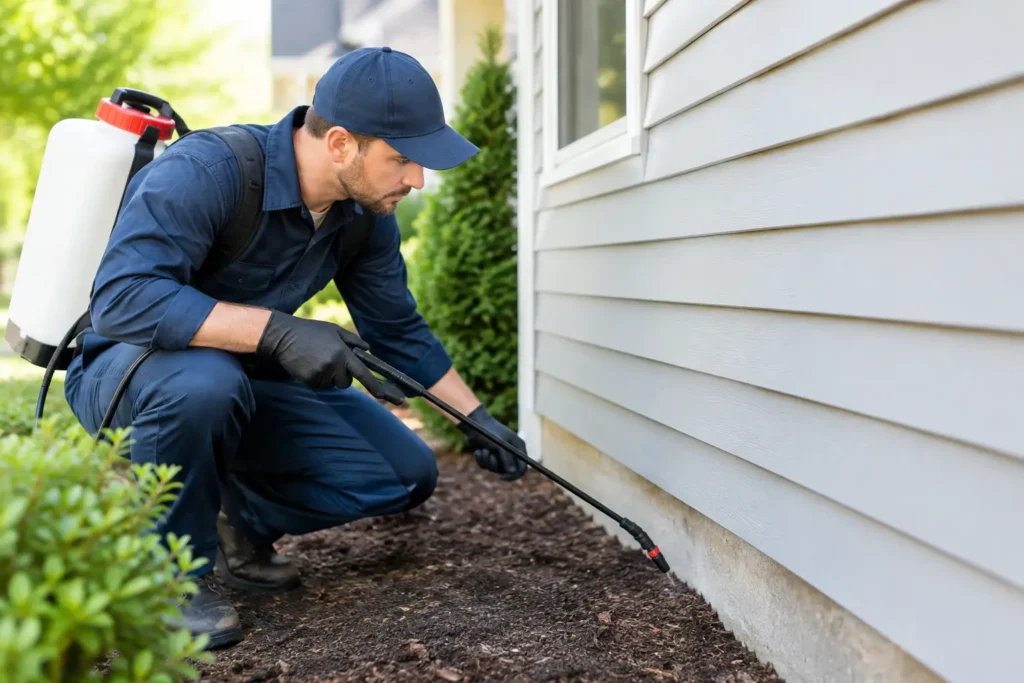
Many infestations begin outdoors. The exterior is where pests search for moisture, harborage, and a route inside, which is why perimeter maintenance is not optional in an effective plan.
Keep mulch, soil, and stored materials from sitting directly against the foundation. Avoid stacking firewood, lumber, or cardboard beside the home or building. These materials can hold moisture and provide shelter for pests, including termites and rodents. If you have a wood fence connected to the structure, inspect it regularly for damage, soil contact, and areas that stay wet.
Landscape choices matter, but they are not one-size-fits-all. Dense plants can provide privacy and shade, yet they can also create protected pathways for spiders, rodents, and ants. You do not need to remove every plant. Maintain clearance from walls, keep ground cover controlled, and avoid allowing branches to rest on the roof.
Outdoor lighting can also attract flying insects. Where practical, position lights away from doors and use fixtures that limit direct glare at entryways. For mosquitoes, consistent water management is more effective than occasional cleanup after a problem becomes obvious.
Watch for early warning signs
Routine observation catches problems earlier than waiting for a dramatic sighting. Pay attention to droppings, gnaw marks, greasy rub marks along walls, damaged food packaging, mud tubes, shed insect wings, unusual odors, moisture stains, and repeated pest sightings in the same location.
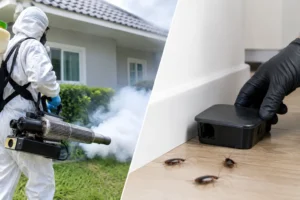
Ants are often seen first as a line moving toward water or food. Do not assume wiping away the trail resolves the colony. Clean the trail, remove the attractant, and monitor where activity returns. Repeated trails, especially after cleaning, often indicate a nesting site nearby or an exterior colony using the structure as a food source.
Termite signs require prompt attention. Small piles of what looks like sawdust, discarded wings near windows, soft or hollow-sounding wood, and narrow mud tubes on foundations can all warrant an inspection. Termite prevention depends on the property, construction type, moisture conditions, and surrounding landscape. There is no single DIY step that replaces a professional termite assessment when warning signs appear.
Build a pest prevention schedule that fits the property
The right schedule depends on the pest, the property type, and the level of activity. A detached home with well-maintained landscaping may need different monitoring than an apartment building, restaurant, warehouse, or property near open space. Seasonal changes, tenant turnover, remodeling, and nearby construction can also change risk levels.
For many properties, monthly or regularly scheduled pest maintenance provides the most reliable protection. Service visits allow a professional to inspect key areas, treat active concerns with targeted methods, refresh exterior protection where appropriate, and adjust the plan as conditions change. This is especially useful for properties with recurring ant, spider, rodent, or cockroach pressure.
A good plan should not rely on repeated blanket treatments alone. Safe, effective pest management combines inspection, sanitation recommendations, exclusion, targeted treatment, and follow-up monitoring. If children, pets, customers, or tenants use the space, discuss those concerns before service so the treatment plan can account for how the property operates.
When it is time to call a professional
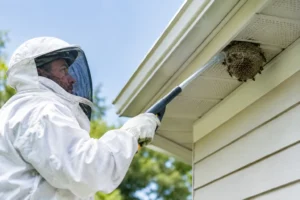
Some situations need more than preventive maintenance. Rodent activity in walls or attics, termite evidence, bed bugs, repeated cockroach sightings, stinging insects near entrances, and pests spreading between units should be addressed quickly. Delays can increase treatment needs and make the problem more disruptive.
Impressive Exterminating provides inspection-driven pest control for homes and businesses across Los Angeles County and Orange County, with customized options for immediate concerns and ongoing protection. A trained technician can identify the pest, locate likely sources, and recommend practical next steps instead of relying on guesswork.
The best time to act is when a concern is still small. Check the areas pests use most, correct the easy conditions first, and schedule a professional inspection when signs keep returning. A protected property is easier to maintain when prevention becomes part of the routine, not an emergency response.