A termite problem rarely looks dramatic at first. It may be a blistered patch of paint, a soft baseboard, a discarded wing near a window, or a swarm that appears for one afternoon. Knowing how to choose termite treatment starts with treating those signs seriously before a small area of damage becomes a larger repair project.
The right treatment is not simply the fastest or lowest-priced option. It should match the termite species, the extent of activity, the construction of your property, and your plans for the building. A qualified inspection gives you the information needed to make that decision with confidence.
Start With a Complete Termite Inspection
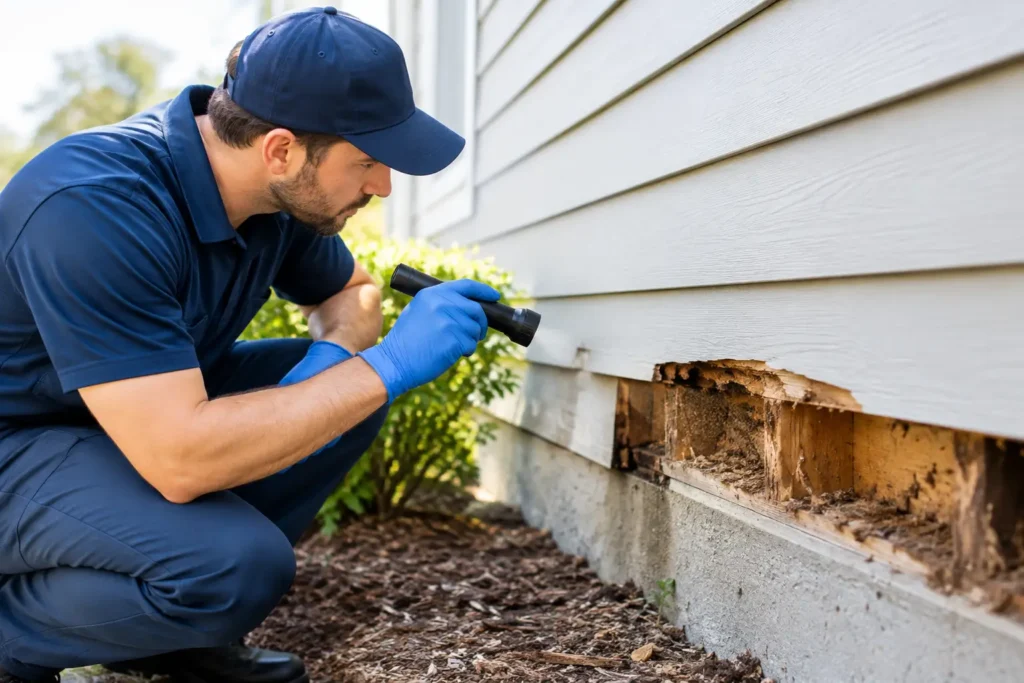
No two termite infestations are exactly alike. A treatment recommendation should come after a thorough inspection, not a quick glance at one damaged piece of wood. The inspector should identify where activity is visible, look for conditions that invite termites, and explain what they can and cannot see without opening walls or removing finishes.
In Southern California, drywood termites and subterranean termites require different approaches. Drywood termites live inside the wood they consume and can infest framing, trim, furniture, doors, or attic materials. Subterranean termites typically travel from the soil through mud tubes or hidden entry points, feeding on structural wood from below.
The inspection should also distinguish between active termites and old damage. Finding damage does not automatically mean termites are still present, but leaving active colonies untreated can lead to costly structural repairs. Ask for a clear explanation of the evidence, affected areas, and recommended scope of work.
For homeowners, an inspection should include accessible attics, garages, crawl spaces, exterior wood, plumbing penetrations, and areas with moisture concerns. Property managers and business owners should also consider vacant units, utility rooms, storage spaces, common areas, and any locations where water leaks or wood-to-soil contact may be present.
How to Choose Termite Treatment for Your Property
The best termite solution depends on where termites are living and how widely they have spread. A responsible provider should present the options in plain language, including what each method addresses and where its limits are.
Localized treatment for contained activity
Localized or spot treatment targets specific areas where drywood termite activity is confirmed. Technicians may treat affected wood through small access points or apply materials to exposed areas, depending on the situation.
This can be a practical choice when activity is limited, easily accessible, and clearly isolated. It may involve less preparation and less disruption than a whole-structure treatment. The trade-off is that termites hidden in other inaccessible areas may not be reached. Spot treatment is often a good fit for a small, defined infestation, but it is not automatically the lowest-risk choice for a property with multiple signs of activity.
Whole-structure fumigation for widespread drywood termites
Fumigation treats the entire enclosed structure and is often recommended when drywood termite activity is widespread, difficult to locate, or found in multiple areas. The building is sealed and treated by licensed professionals following required safety procedures.
This approach can provide more complete coverage for drywood termites throughout a home or building. It does require planning: occupants, pets, plants, food items, and certain belongings must be prepared according to the treatment instructions, and the property must remain vacant until it is cleared for reentry. For many owners, that inconvenience is worthwhile when it reduces uncertainty about hidden infestations.
Fumigation does not correct moisture problems, remove damaged wood, or prevent every future termite from entering the property. It should be paired with practical prevention steps and follow-up recommendations.
Soil treatments and bait systems for subterranean termites
Subterranean termite control usually focuses on the termites’ connection to the soil. A liquid barrier treatment can be applied in targeted areas around a structure, where appropriate, to help block or eliminate termite activity. In some situations, bait systems may be installed and monitored to target foraging colonies over time.
A liquid treatment may offer faster control in a known problem area, while baiting can be useful where ongoing monitoring or reduced soil disturbance is preferred. The right choice depends on construction, access, landscaping, prior termite history, and the level of active infestation. A professional should explain whether treatment will address the whole perimeter, specific entry areas, or both.
Look Beyond the Treatment Name
Two companies can use the same treatment label while recommending very different levels of service. Before approving work, make sure you understand the full plan.
Ask where treatment will be applied, whether all visible activity is included, and what areas cannot be inspected or treated without additional access. If the proposal includes repairs or wood replacement, clarify whether that work is part of the pest control service or a separate project.
You should also ask what preparation is required, how long the work will take, and when children, pets, tenants, employees, or customers can safely return to treated spaces. A reliable company will give clear instructions rather than vague assurances.
For rental properties and commercial buildings, timing matters just as much as treatment method. A plan may need to account for tenant notice requirements, business hours, sensitive inventory, food-handling areas, and customer access. Fast response is valuable, but the treatment should still be planned carefully enough to protect people and reduce operational disruption.
Compare Providers on Proof, Not Just Price
Termite work is specialized. Choosing based only on the lowest estimate can create problems if the recommended scope is too narrow or the provider cannot clearly support its findings.
Look for a licensed pest control professional with termite experience, a detailed written proposal, and a reputation for responsive service. The proposal should identify the treatment method, estimated service areas, preparation responsibilities, pricing, and any warranty or retreatment terms. Read the warranty language closely. Some plans cover retreatment under certain conditions, while others may include inspections or monitoring but not repair costs.
It is reasonable to get a second opinion when the recommendation involves fumigation, extensive drilling, or a significant expense. A second inspection can confirm the diagnosis or reveal options you had not considered. However, do not delay indefinitely when there is clear evidence of active termites. Waiting for damage to become more visible rarely makes treatment easier or less expensive.
Consider Safety, Access, and Your Long-Term Plans
Every treatment decision involves trade-offs. Families may prioritize reduced disruption and clear reentry instructions. Owners preparing to sell may need documented treatment and a timely inspection. Property managers may need a scalable plan that addresses current activity while helping prevent repeat issues across multiple units.
Discuss any concerns about children, pets, gardens, aquariums, allergies, or sensitive business operations before treatment is scheduled. Professional termite control is designed around labeled products, proper application, and site-specific safety measures, but the provider needs accurate information to plan appropriately.
Also consider the age and condition of the building. Older homes in Los Angeles County and Orange County may have hidden voids, aging wood, past additions, or moisture issues that affect both termite access and treatment coverage. A good plan addresses the infestation while identifying conditions that could make future activity more likely.
Prevent the Next Infestation
Termite treatment is strongest when it includes prevention. Termites are attracted to accessible wood and moisture, so small maintenance improvements can make a meaningful difference. Repair plumbing leaks, keep soil and mulch from covering siding or structural wood, move firewood away from the building, and address damaged fascia, trim, or roof leaks promptly.
Periodic termite inspections are especially useful after heavy rain, renovations, landscaping changes, or a history of termite activity. Monitoring does not replace treatment when termites are active, but it can help catch a new issue before it becomes extensive.
Impressive Exterminating approaches termite control with inspection-driven recommendations, safe and effective treatment options, and practical prevention guidance for homes and businesses. The goal is not to sell a one-size-fits-all service, but to resolve the problem you have and help protect the property afterward.
If you have seen wings, mud tubes, frass, damaged wood, or unexplained paint bubbling, schedule a professional inspection soon. A clear diagnosis and a treatment plan that fits your property can replace uncertainty with a practical path forward.