
A search for best pest control restaurants can use often starts after a manager spots a mouse near dry storage, fruit flies around the bar, or roaches near a prep area. By then, the concern is bigger than an unpleasant sighting. Pests can threaten food safety, damage a restaurant’s reputation, disrupt operations, and create serious problems during an inspection.
Restaurants need more than a quick spray and a promise to return if pests show up again. They need a responsive pest management partner that understands food-service environments, identifies why pests are getting inside, and builds a prevention plan around the building, kitchen workflow, and operating hours.
What Makes Pest Control Right for a Restaurant?
The best pest control for restaurants is proactive, discreet, and customized. A restaurant has different risks than an office or home. There are food deliveries, grease, floor drains, dumpsters, employee entrances, loading areas, dining rooms, and frequent movement throughout the day. Each one can become an access point or food source for pests.
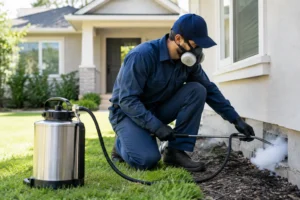
A dependable service should begin with a thorough inspection. The technician should look beyond the pest that was reported and inspect areas where activity commonly begins: under equipment, around pipes, behind coolers, near floor drains, inside utility rooms, around exterior doors, and near trash storage. Finding the source matters. Killing visible pests without addressing entry points, moisture, sanitation gaps, or nesting locations can lead to repeated activity.
Restaurant owners should also expect a plan that fits their schedule. Treatments may need to happen before opening, after closing, or during low-traffic periods. The goal is to protect the business without interfering with staff, guests, or food preparation.
The Restaurant Pests That Need Fast Action
Not all pest activity carries the same urgency, but every sighting deserves attention. In food-service settings, a small problem can grow quickly because pests have steady access to water, warmth, and food.
Rodents
Rats and mice can contaminate food, chew wiring, damage packaging, and leave droppings in storage and prep areas. They often enter through gaps around utility lines, damaged door sweeps, open receiving doors, roofline openings, and cracks near foundations.
Rodent control should include more than traps. A complete plan involves identifying travel paths, securing entry points, placing monitoring devices strategically, and checking them regularly. Restaurants with shared walls, nearby construction, alley dumpsters, or older plumbing may need more frequent monitoring.
Cockroaches
Cockroaches are especially concerning in restaurants because they hide in tight, warm, damp spaces. They can be found near dishwashing stations, motors, refrigerators, drains, wall voids, and cardboard storage. Seeing one roach during business hours does not always reveal the full extent of activity.
Effective cockroach control combines targeted treatment with sanitation and moisture reduction. Technicians should focus on harborages rather than relying on broad, unnecessary applications. Staff also need a clear process for reporting sightings so activity can be addressed before it spreads.
Flies and Drain Flies
Flies can frustrate guests immediately, particularly around bars, outdoor patios, service counters, and restrooms. The solution depends on the fly. Fruit flies may be tied to produce, syrup residue, recycling, or beverage stations. Drain flies often point to organic buildup inside drains or plumbing areas. House flies may be entering from open doors, dumpsters, or damaged screens.
A good provider identifies the species and the breeding source. Fly lights can help monitor and reduce activity in appropriate locations, but they are not a substitute for cleaning, drain maintenance, and exclusion work.
Ants and Occasional Invaders
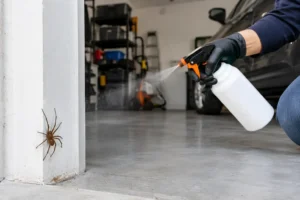
Ants are drawn to sweet spills, grease, water, and food debris. In Southern California, they can enter through tiny exterior cracks and travel along plumbing or electrical lines. Spiders, stored-product pests, and occasional stinging insects may also create issues, especially around patios, storage rooms, and outdoor trash areas.
The right treatment depends on the pest and the conditions attracting it. A one-size-fits-all approach is rarely the best answer for an active restaurant.
Prevention Is the Difference Between Service Calls and Control
Regular professional service is critical, but restaurant staff play an equally important role in preventing pest pressure between visits. The strongest programs combine professional monitoring with daily habits that remove food, water, and shelter.
Managers should make sure food is stored in sealed containers and kept off the floor. Cardboard should be broken down and removed promptly, since it provides hiding areas for roaches and rodents. Floors under equipment need scheduled cleaning, not just visible cleaning around workstations. Grease buildup, standing water, and neglected drains give pests exactly what they need to stay active.
Exterior conditions matter, too. Keep dumpster lids closed, clean spills around trash areas, and avoid allowing bags to sit near back doors. Repair damaged weather stripping, screens, and door sweeps. A gap under a receiving door can be all a rodent needs to get inside.
These steps are not meant to shift responsibility away from a pest control company. They make treatment more effective and help protect the restaurant between scheduled visits.
Questions to Ask Before Hiring a Restaurant Pest Control Company
Restaurants should choose a provider based on capability, not just the lowest price. Cheap, reactive service can become expensive when infestations return, product is contaminated, or an inspection issue affects the business.
Ask whether the company has experience with commercial kitchens and food-service accounts. Find out how quickly it can respond to urgent sightings and whether ongoing service includes inspections, monitoring, documentation, and follow-up recommendations. It is also reasonable to ask how treatments are selected for areas near food handling, guests, employees, children, and pets.
Documentation is another major consideration. Restaurant operators often need clear service reports showing where activity was found, what was done, what devices were checked, and what corrective actions were recommended. Good records help management track recurring concerns and demonstrate that pest prevention is being handled responsibly.
Finally, ask about communication. A technician may notice a leaking pipe, a poorly sealed utility opening, or heavy buildup beneath equipment. Those findings only help if they are explained clearly and shared with the person who can act on them.
Why Ongoing Service Usually Delivers Better Results
A single treatment may be appropriate for a limited issue, but restaurants are high-pressure environments for pest activity. Deliveries arrive daily, employees use multiple entrances, food and moisture are always present, and neighboring businesses can influence pest movement. Ongoing service provides consistent monitoring before a small issue becomes a disruptive infestation.
The correct frequency depends on the restaurant’s layout, pest history, neighborhood conditions, and type of operation. A busy full-service restaurant with a bar, patio, alley access, and late-night trash pickup may need a different plan than a small café with limited food preparation. The important part is that the schedule is based on real conditions, not a generic package.
For restaurants across Los Angeles County and Orange County, Impressive Exterminating provides inspection-driven commercial pest control focused on fast response, safe treatment options, and long-term prevention. The aim is simple: help protect the kitchen, the customer experience, and the reputation owners have worked hard to build.
If pests have already been spotted, do not wait for the next inspection or assume the issue will disappear after a deep clean. Schedule a professional inspection, address the source quickly, and give your team a clear plan for keeping pests out for good.