Termites can spend years feeding inside wood before a homeowner sees a clear warning sign. A professional termite inspection is designed to find that hidden activity early, identify conditions that make a property vulnerable, and give you a practical plan before a small issue turns into expensive structural repairs.
For homeowners, landlords, and business owners across Los Angeles County and Orange County, an inspection is not just a search for bugs. It is a close look at the parts of a building termites rely on: wood, moisture, soil contact, concealed entry points, and areas that are difficult to see during everyday maintenance.
What Happens During a Termite Inspection
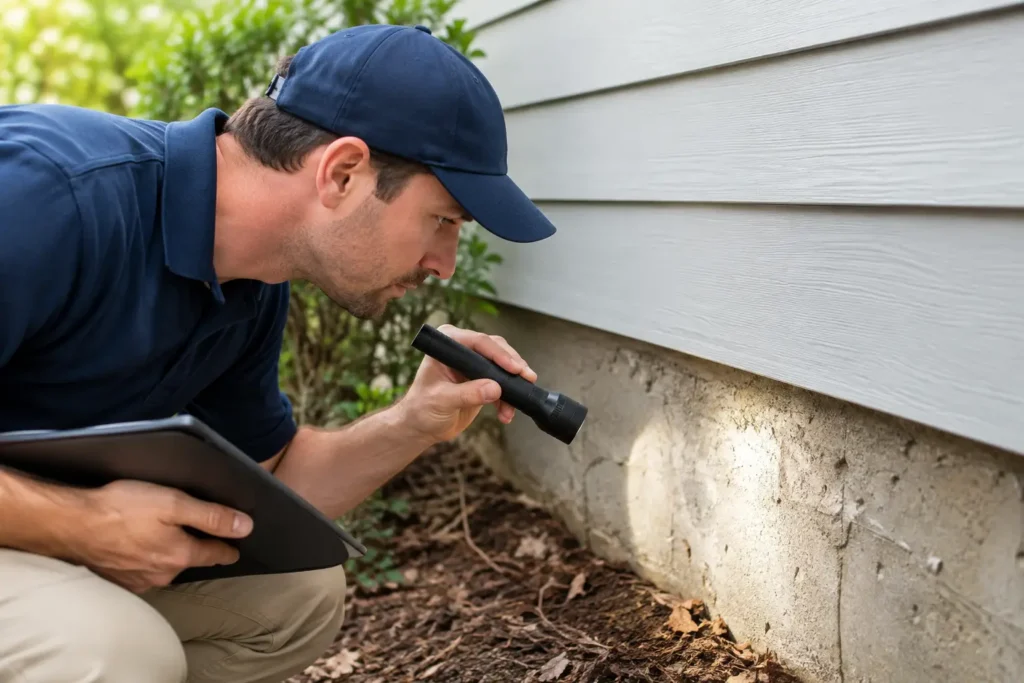
A licensed inspector starts with the accessible areas of the property, inside and outside. That typically includes the foundation, exterior walls, garages, attics, crawl spaces, patios, fences, wood trim, utility entry points, and visible structural lumber. Inside, the inspection may include baseboards, window and door frames, cabinets, flooring edges, and rooms where moisture is present.
The goal is to identify three things: evidence of active termites, signs of past termite damage, and conditions that could attract termites in the future. An inspector may tap or probe suspicious wood, look for shelter tubes, check for moisture issues, and examine areas where the building meets the ground.
A thorough inspection should be careful and clear, not rushed. If activity or damage is found, you should understand where it is located, how urgent it appears to be, what treatment options are available, and whether repairs or moisture corrections may also be needed.
What Inspectors Look For
Termites do not always leave obvious damage in plain sight. Much of their feeding happens behind drywall, beneath flooring, inside framing, or under a structure. Still, trained professionals recognize the patterns that suggest a problem.
Common findings include mud tubes on foundation walls or plumbing penetrations, hollow-sounding or weakened wood, blistered paint, damaged trim, droppings from drywood termites, and piles of discarded wings near windows or doors. Moisture-damaged wood can also deserve attention because it may make an area more attractive to certain termite species, even if termites are not yet present.
An inspection can also uncover other wood-destroying pests or conditions that look similar to termite damage. Carpenter ants, wood-boring beetles, fungal decay, and old water damage can all affect wood. Correct identification matters because the right solution depends on the actual cause.
Why Southern California Properties Need Regular Checks
Southern California’s mild weather allows termites to remain active for much of the year. Properties in Long Beach, Huntington Beach, Torrance, Whittier, and surrounding communities can face both drywood and subterranean termite pressure, depending on the structure and local conditions.
Drywood termites live inside the wood they eat. They may infest attic framing, fascia boards, furniture, trim, or wall framing without needing contact with soil. Subterranean termites usually travel from the ground through protected shelter tubes and can target structural lumber from below or through cracks around foundations and utility lines.
That difference affects treatment recommendations. Localized treatment may be appropriate for a contained drywood infestation that can be accurately accessed. In other situations, whole-structure fumigation, soil treatment, baiting, or a combination of methods may provide better long-term protection. A reliable inspection gives you the information to compare those options based on your property, not a one-size-fits-all sales pitch.
When Should You Schedule a Termite Inspection?
You do not have to wait until you see extensive damage. Inspections are especially worthwhile when you notice wings, droppings, soft wood, unexplained paint bubbling, or thin mud tubes along the foundation. A sudden swarm of winged insects is another reason to act quickly. Swarmers do not always mean termites are actively feeding inside the building, but they do mean a professional evaluation is wise.
It also makes sense to arrange an inspection before buying or selling a property, after a roof or plumbing leak, or when completing a major renovation. Opening walls, replacing flooring, or upgrading a bathroom can expose hidden conditions that were not visible before.
For rental properties and commercial buildings, scheduled inspections support better maintenance planning. Tenants and employees may report peeling paint, damaged wood, or insect activity without knowing whether termites are involved. A prompt inspection helps property managers respond with facts, protect the building, and avoid letting a possible issue grow between maintenance visits.
Annual Inspections Are Often a Smart Baseline
How often you need a termite inspection depends on the property’s history, construction, surrounding landscape, and prior treatment. A building with past termite activity, a crawl space, older wood components, or recurring moisture concerns may need closer monitoring than a newer, lower-risk property.
For many Southern California properties, an annual inspection is a sensible baseline. It creates a record of conditions over time and can catch changes before they become disruptive. If an inspector recommends a different schedule, ask why. The explanation should connect to the property’s actual risk factors.
How to Prepare for a Termite Inspection
You do not need to prepare the house perfectly, but access makes a major difference. Move stored items away from garage walls when possible, clear access to the attic or crawl-space entry, and unlock gates that lead to the exterior perimeter. If cabinets under sinks are packed tightly, making room for a quick visual check can help identify leaks or moisture concerns.
Let the inspector know about any previous termite treatment, visible damage, recent leaks, renovations, or pest activity you have noticed. Photos of swarmers, wings, droppings, or damaged wood can be useful, especially if the evidence is no longer visible by the appointment time.
No inspection can see through every wall or beneath every finished surface without opening or removing materials. That is one reason a professional report may identify inaccessible areas or recommend further evaluation. This is not a reason to ignore the inspection. It is a clear explanation of what was and was not visible at the time of service.
Understanding Inspection Results Without the Stress
Finding termites does not automatically mean your property is in crisis. The level of concern depends on the species, location, extent of activity, accessibility, and condition of the damaged wood. Some cases can be addressed quickly with targeted treatment. Others require a broader approach to reach hidden colonies or protect the entire structure.
Ask the inspector to walk you through the findings in plain language. You should know whether there is active infestation, evidence of inactive or prior damage, conducive conditions, or areas that need repair. If treatment is recommended, ask what it targets, how long it takes, whether occupants or pets need to leave temporarily, and what follow-up monitoring is included.
Cost matters, but the lowest quote is not always the best value. A treatment that misses the source of an infestation or ignores moisture and entry conditions may lead to repeat problems. The right plan balances immediate termite control with prevention that helps protect the property after treatment.
Prevention Starts With the Conditions Around the Building
Termite prevention is not limited to treatment. Reducing excess moisture, repairing leaks, keeping soil and mulch from covering wood siding, and maintaining separation between structural wood and the ground all help lower risk. Damaged fascia boards, leaking irrigation, clogged gutters, and wood debris stored against the structure can create conditions worth correcting.
These steps cannot guarantee a termite-free property, particularly in areas where termite activity is common. They do make the building less inviting and make early warning signs easier to spot. Ongoing professional monitoring adds another layer of protection, particularly for homes with a history of infestation or commercial properties where unexpected repairs can interrupt operations.
Impressive Exterminating provides inspection-driven termite solutions with clear recommendations for properties that need fast, effective attention. Whether you are responding to a suspected infestation or planning preventive maintenance, a qualified inspection gives you a better place to start than guessing.
If you have seen wings, frass, mud tubes, or wood damage, schedule an inspection promptly. The sooner you know what is happening behind the surface, the sooner you can make a confident decision to protect your property.