Having your home tented for termites is a significant investment. After preparing your property, temporarily relocating your family, and completing the fumigation process, you expect the problem to be gone for good. So, what should you do if you notice termite droppings, discarded wings, or suspicious wood damage months later?
Yes, termites can return after tenting. Professional tent fumigation is highly effective against drywood termites present in a structure during treatment, but it does not leave behind a lasting chemical barrier to prevent future infestations. New termites can enter through exterior openings and establish colonies in untreated or previously treated wood.
For homeowners across Los Angeles County and Orange County, understanding the difference between a new infestation, old termite damage, and other harmless signs is essential.
In this guide, you’ll learn why termites can appear after tenting, which warning signs deserve attention, and how to protect your home against future termite problems.
Why Can Termites Come Back After Tenting?
Termite tenting, also called whole-structure fumigation, involves enclosing a building under specialized tarps and introducing a fumigant that penetrates accessible areas of the structure. When properly performed, the treatment eliminates drywood termite colonies present at the time of fumigation.
However, several factors explain why homeowners may encounter termite activity again.
1. Fumigation Does Not Prevent Future Infestations
The most important thing to understand about termites after tenting is that fumigation is a treatment, not permanent protection.
Once the fumigant has been aerated and the home has been cleared for reentry, it does not remain in the wood as a protective barrier. Winged reproductive termites can later enter through suitable openings and establish new colonies.
This means a home can be successfully fumigated and still develop another infestation in the future.
2. New Termites Enter Through Small Openings
Drywood termites do not need direct contact with soil to infest a building. Reproductive termites can enter through small cracks, gaps around vents, exposed wood, and other openings in the building’s exterior.
After entering, they can establish colonies in roof framing, fascia boards, window frames, attic timbers, and other wooden components.
Southern California homeowners should pay particular attention to rooflines, exterior wood trim, attic vents, and areas where damaged paint or unsealed gaps expose vulnerable wood.
3. The Original Treatment May Need Further Evaluation
Although properly conducted fumigation is highly effective, no treatment should be considered infallible.
If termite activity reappears soon after tenting, possible explanations include an issue with the original treatment, surviving termites, an area requiring additional evaluation, or a different termite species that needs another treatment approach.
A professional inspection can help determine what happened. Do not automatically assume that the entire home needs to be tented again.
4. The Termites May Be a Different Species
Not all termites are controlled by the same treatment method.
Drywood termites live inside wood and are commonly treated with whole-structure fumigation when infestations are widespread. Subterranean termites live in colonies associated with the soil and can enter buildings through foundations, cracks, and mud tubes.
Tenting a home for drywood termites does not eliminate subterranean termite colonies living outside the structure.
If you discover mud tubes along your foundation after fumigation, the appropriate next step is an inspection to identify the species and determine whether soil treatment, baiting, or another method is needed.
Learn more about the available options through our termite fumigation and tenting services.
How to Tell If Termites Are Back After Tenting
Finding something that looks like termite evidence does not always mean a new infestation has developed. The key is to identify the sign, document when it appeared, and determine whether there is evidence of current activity.
Watch for these warning signs.
Fresh Termite Droppings
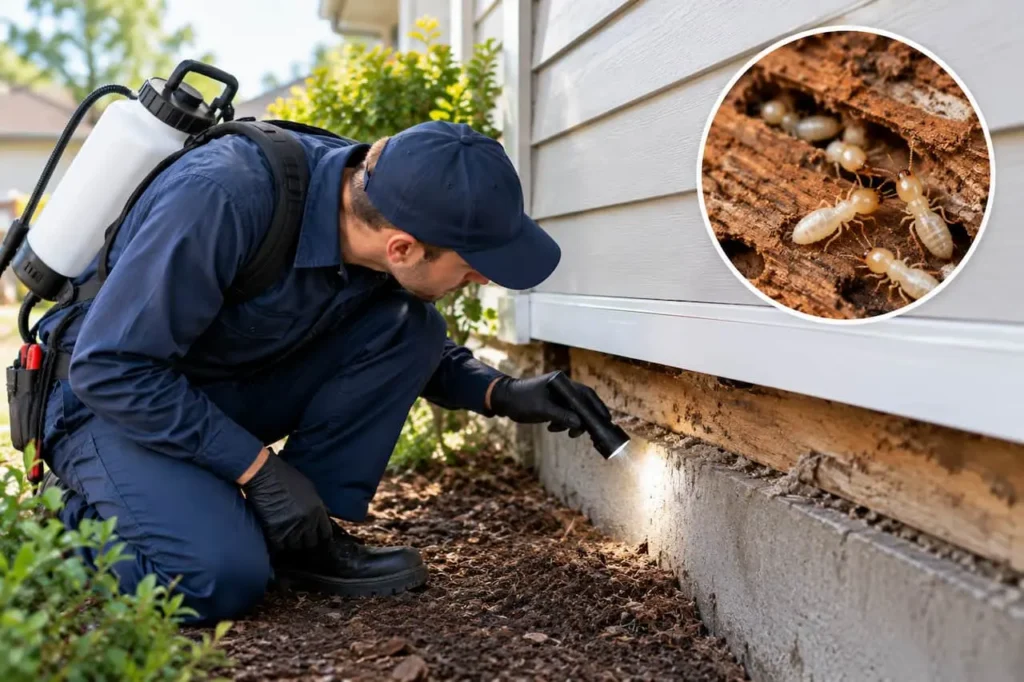
Drywood termites push small, hard pellets called frass out of their galleries through tiny openings in wood. These pellets may collect beneath window frames, wooden trim, attic beams, or other infested areas.
If you notice fresh piles appearing repeatedly after cleaning, arrange an inspection. However, old frass can remain after successful treatment, so droppings alone cannot confirm that termites are alive.
Our guide, Termite Droppings but No Termites? What Southern California Homeowners Should Do Next, explains what these pellets can indicate and when to seek professional help.
Discarded Wings Near Windows or Doors
Reproductive termites swarm to establish new colonies. After swarming, they may shed their wings, leaving small, translucent piles near windowsills, doors, or light fixtures.
Finding wings after tenting does not automatically mean termites have infested your home’s structure. Swarmers may have entered from outside or emerged from a nearby colony.
Still, repeated sightings or wings accompanied by fresh wood damage deserve further investigation.
New Mud Tubes Around the Foundation
Mud tubes are associated with subterranean termites. These narrow, soil-like tunnels help termites travel between their colony and a food source while maintaining a protected environment.
Because subterranean termites are not controlled by drywood termite fumigation in the same way as colonies inside the structure, new mud tubes should not be ignored.
Do not simply remove the tubes and assume the problem is solved. A qualified termite professional should investigate their source.
New Wood Damage
Pay attention to newly weakened wood, hollow-sounding trim, blistered paint, or fresh kick-out holes in wooden surfaces.
These signs may indicate active termites, but old damage can remain visible long after a successful treatment. A professional inspection is the best way to distinguish existing structural damage from evidence that warrants further treatment.
What Should You Do If You See Termites After Fumigation?
If you suspect termites have returned, take these steps before spending money on another treatment.
Step 1: Document the evidence.
Photograph any droppings, discarded wings, mud tubes, or damaged wood. Record the location and date, and note whether the evidence reappears after cleaning.
Step 2: Check your fumigation paperwork.
Review your treatment report, warranty, retreatment guarantee, and any instructions regarding follow-up inspections. Check whether the coverage applies to new infestations, surviving termites, or particular treatment conditions.
Step 3: Contact your original pest control provider.
If the signs appear soon after treatment, contact the company that performed the fumigation. Explain what you found and ask whether an inspection or warranty-related follow-up is available.
Step 4: Arrange a professional termite inspection.
A qualified inspector can evaluate accessible wood, inspect likely entry points, look for evidence of active termites, and assess whether another treatment is appropriate.
Impressive Exterminating offers professional termite inspections for homeowners who need help identifying termite activity and determining the next step.
Step 5: Avoid unnecessary repeat fumigation.
Do not assume that seeing a few pellets or wings means your home needs to be tented again. The correct treatment depends on the termite species, the location of the activity, and whether the evidence indicates a new infestation.
Localized treatment, baiting, or soil treatment may be more appropriate in some situations.
How to Prevent Termites From Returning After Tenting
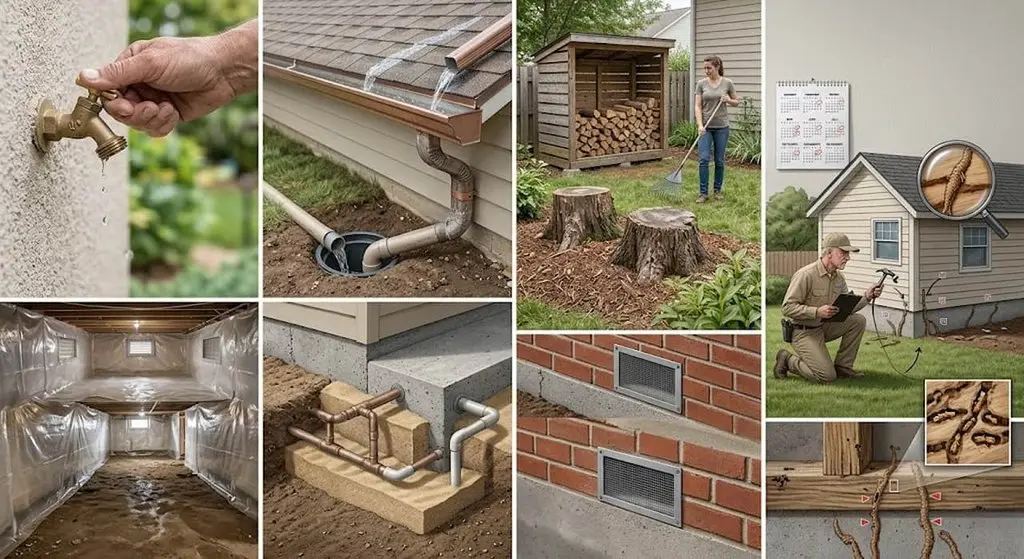
You cannot guarantee that termites will never enter your property again, but you can reduce avoidable risks and make new activity easier to detect.
Schedule Regular Termite Inspections
Arrange a professional inspection at least annually as a practical starting point, particularly if your home has a history of termite activity. Properties with recurring problems or specific risk factors may require a different inspection schedule.
An inspection can identify new evidence, vulnerable areas, and conditions that deserve attention before significant damage develops.
Seal Exterior Openings
Inspect accessible exterior areas for cracks, damaged screens, gaps around vents, and openings around utility penetrations. Repair appropriate openings to reduce opportunities for reproductive termites to enter.
Make sure attic vents and other ventilation openings remain properly screened without restricting necessary airflow.
Address Moisture Problems
Although drywood termites do not require soil contact, moisture problems can create favorable conditions for other wood-damaging pests and subterranean termites.
Repair leaking pipes, maintain gutters, correct drainage problems, and prevent irrigation from repeatedly soaking exterior wood or foundation areas.
Keep Wood and Debris Away From the Foundation
Store firewood, spare lumber, cardboard, and wood debris away from exterior walls. Avoid allowing soil or mulch to cover vulnerable wood components.
Where practical, maintain appropriate clearance between soil and structural wood, and correct wood-to-soil contact that may provide subterranean termites with access.
Consider Ongoing Termite Protection
Depending on your property and the termite species present in your area, professional baiting systems, soil treatments, localized treatments, or other preventive measures may help manage future risk.
These options are not interchangeable. For example, baiting systems are designed for subterranean termite management and monitoring; they do not replace whole-structure fumigation when widespread drywood termites require it.
Impressive Exterminating can help homeowners evaluate suitable options through its termite treatment services.
What If Your Home Is Still Under a Termite Guarantee?
If you paid for professional fumigation, check whether your service includes a retreatment guarantee or ongoing termite protection.
These arrangements vary. Some cover retreatment under specified conditions, while others include scheduled inspections or additional protection. A guarantee should not automatically be interpreted as coverage for every future infestation or all structural repairs.
Ask your provider:
- How long does the guarantee remain valid?
- Does it cover new termite activity after fumigation?
- Are annual inspections required to maintain coverage?
- Does the plan cover retreatment, repairs, or both?
- What should you do if fresh termite evidence appears?
Impressive Exterminating offers termite service plans with guarantees. Review the specific terms applicable to your property and treatment before relying on coverage.
If you have noticed suspicious signs since your home was tented, contact Impressive Exterminating for a termite inspection to discuss the next steps.
Frequently Asked Questions
Can termites come back immediately after tenting?
Termite activity noticed soon after tenting warrants investigation. It could indicate surviving activity, a different termite species, or evidence that was already present. A professional inspection can help establish the cause.
How many years does termite tenting last?
Tenting does not provide a fixed number of years of protection against reinfestation. It targets termite colonies present during treatment but leaves no lasting fumigant barrier. Future infestations can develop whenever new termites successfully establish colonies.
Is it normal to see termite droppings after fumigation?
Old droppings may remain after successful fumigation, so their presence alone does not prove treatment failure. Repeated accumulation of fresh-looking pellets is a reason to request an inspection.
Can subterranean termites return after a house is tented?
Yes. Subterranean termites live in soil-associated colonies, and drywood termite fumigation does not eliminate colonies outside the structure. If you see mud tubes or other signs of subterranean termites, ask a professional to assess the foundation and recommend appropriate treatment.
Should I tent my house again if termites return?
Not necessarily. First, establish whether there is an active infestation and identify the termite species. If activity is localized, targeted treatment may be sufficient. Widespread or inaccessible drywood termite infestations may require another whole-structure fumigation.
How often should I inspect my home after tenting?
An annual professional termite inspection is a sensible starting point for many Southern California homes. Your inspector may recommend more frequent monitoring depending on the property’s history, construction, and risk factors.
Does homeowners insurance cover termites that return after tenting?
Many standard homeowners insurance policies exclude termite damage because it is generally considered preventable maintenance damage. Coverage depends on the policy, so review your documents and speak with your insurer rather than assuming repairs will be covered.
Can I prevent termites from returning permanently?
No preventive measure can guarantee that termites will never return. Regular inspections, exterior maintenance, moisture management, and suitable professional protection can reduce risk and help detect new activity early.
Protect Your Southern California Home After Termite Tenting
Tenting can be highly effective against drywood termites, but it is not a permanent shield against future infestations. New termite activity can develop even when the original fumigation was successful.
If you notice fresh droppings, discarded wings, mud tubes, or new wood damage, do not ignore the evidence or immediately assume your previous treatment failed. Document what you see and arrange a professional inspection to identify the cause.
Impressive Exterminating provides termite inspection, treatment, and fumigation services across Los Angeles County and Orange County. Schedule a termite inspection to understand what is happening in your home and determine the most appropriate next step.