When you have pets, a pest problem is never just a nuisance. It becomes a safety question fast. Homeowners looking for safe pest control for dogs and cats usually want the same thing: get rid of ants, rodents, fleas, spiders, or roaches without putting a pet at risk in the process.
That concern is valid. Dogs and cats spend more time on floors, carpets, patios, and yards than people do. They lick their paws, investigate baseboards, sniff corners, and find hiding spots you forgot existed. A treatment that seems minor to an adult can become a real issue for a pet if the product is misused, overapplied, or placed where curious animals can reach it.
What safe pest control for dogs and cats really means
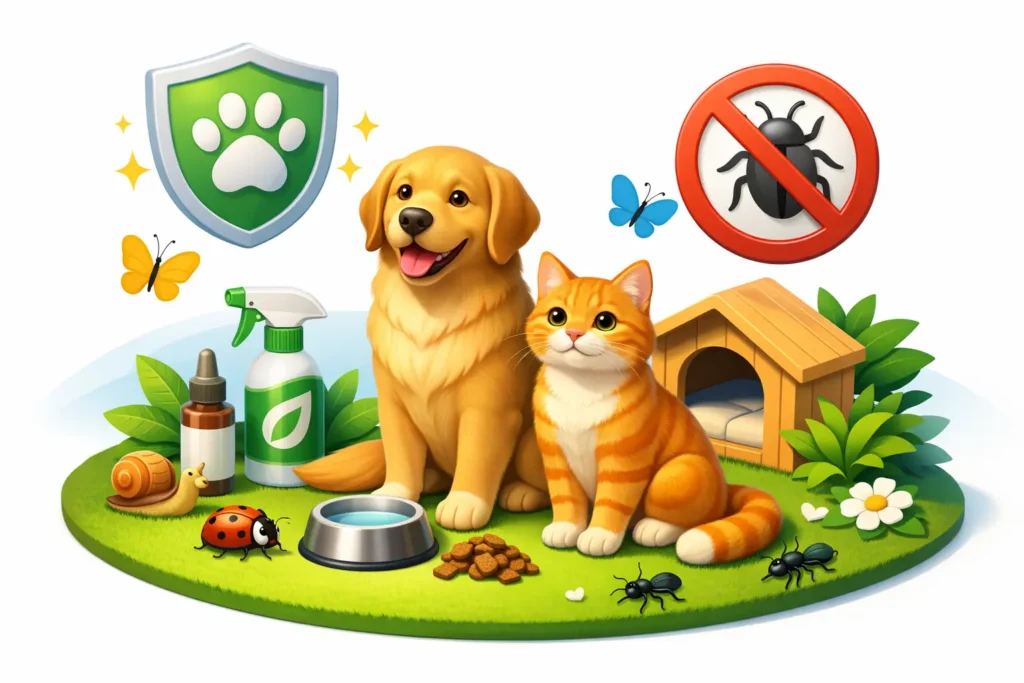
Pet-safe pest control does not mean every product is harmless in every situation. It means the treatment plan is chosen carefully, applied correctly, and matched to the pest problem, the property, and the animals in the home.
That distinction matters. Even products labeled for residential use can become unsafe if they are mixed incorrectly, used too often, or applied in the wrong location. The safest approach is not simply choosing the strongest product on the shelf or assuming anything “natural” is automatically better. It is using proven methods with the right placement, dosage, timing, and follow-up.
A professional approach also looks beyond the treatment itself. Entry-point sealing, sanitation recommendations, moisture control, exclusion work, and monitoring all reduce the need for heavier chemical use. That is often the best path for households with dogs and cats because long-term prevention lowers repeated exposure.
The biggest pet safety risks during pest control
Most pet-related problems come from a few avoidable mistakes. One is direct exposure to wet products before they have dried or settled. Another is access to bait stations, traps, or loose rodenticide placed in garages, side yards, or storage areas. The third is using multiple over-the-counter products at the same time without understanding how they interact.
This is especially common when people are stressed by a sudden infestation. They may use a fogger for fleas, spray for ants, set out bait for roaches, and place rodent poison in the garage all in one weekend. That kind of stacked treatment can increase risk without solving the source of the problem.
Cats can be particularly sensitive to certain active ingredients and essential oils. Dogs, on the other hand, are more likely to chew bait stations or investigate treated areas with their mouths. Both behaviors matter when building a treatment plan.
Common pests and the safest way to handle them
Ants, roaches, and spiders
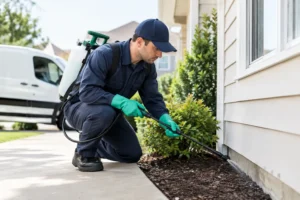
For crawling insects, the safest strategy often involves targeted treatment instead of broad spraying. Crack-and-crevice applications, properly placed bait systems, and perimeter treatments in controlled areas can be highly effective while limiting pet contact.
The key is placement. Products should not be left where pets eat, sleep, or groom. If treatment is applied along baseboards, around door thresholds, or in kitchen voids, pets should stay out of those areas until everything is fully dry and the technician confirms reentry is safe.
Rodents
Rodent problems require extra care in pet-friendly homes. Loose poison is a poor fit for a house with dogs or cats, and even tamper-resistant bait stations need smart placement. There is also the issue of secondary exposure if a pet catches a poisoned rodent.
In many cases, trapping, exclusion, sanitation, and entry-point repair are the better starting point. Sealing gaps, securing food storage, and reducing shelter areas can solve the root problem without relying heavily on rodenticides.
Fleas and ticks
Flea and tick issues are one of the clearest examples of why one-size-fits-all treatment does not work. You may need both environmental treatment and veterinary guidance for the pets themselves. Treating only the carpet while ignoring the animal usually leads to repeat activity. Treating only the pet while leaving eggs and larvae in the home can do the same.
This is where timing matters. A coordinated plan that addresses pet bedding, flooring, upholstered areas, yard conditions, and ongoing prevention is safer and more effective than repeated random sprays.
Mosquitoes and outdoor pests
Southern California properties often deal with outdoor pest pressure year-round. Mosquito control, wasp treatment, and perimeter service can be done safely around pets, but outdoor access needs to be managed during and right after service.
Water bowls, pet toys, food dishes, and bedding should be moved before treatment. After service, pets should return only when treated surfaces are dry and the technician says the area is ready.
How professional pest control keeps pets safer
A licensed pest professional should ask questions before treatment starts. Do you have dogs, cats, birds, or other animals? Where do they spend time during the day? Do they have access to the yard, garage, under sinks, or utility rooms? Are there pet doors or feeding stations inside or outside?
Those details shape the service plan. A good technician does not just treat the pest. They treat the property in a way that reduces risk to the people and animals living there.
That can include using low-odor materials, avoiding unnecessary broadcast applications, choosing enclosed bait stations, scheduling service around pet routines, and clearly explaining reentry times. For many homes, an integrated pest management approach is the safest option because it combines targeted treatment with prevention steps that reduce repeat infestations.
This is one reason many local homeowners prefer working with an experienced company instead of guessing with store-bought products. The right service should be effective, fast, and careful at the same time.
What you should ask before any treatment
If you are hiring a pest control company, ask direct questions. Is this treatment appropriate for a home with dogs and cats? How long should pets stay out of the area? Will you be using baits, sprays, dusts, or traps? Where exactly will products be placed? What should be removed or covered before service?
You should also ask what happens after treatment. If your dog licks a treated surface too soon, what should you do? If your cat gets into a bait station, who should you call? Clear instructions matter.
A reliable provider will answer these questions without being vague or defensive. They should also give you practical preparation steps, not just broad reassurance.
Pet-safe pest control starts before the technician arrives
There is a lot you can do before treatment to make the home safer and improve results. Pick up pet food and water bowls, store food in sealed containers, and wash pet bedding if fleas or ticks are involved. Vacuuming before service can help with insect control, especially for fleas, while also removing hair and debris that pests use for shelter.
For outdoor treatments, bring in toys, move portable water dishes, and let your technician know where your pets usually rest or dig. If your dog has a favorite shady corner in the yard, that area needs special attention from a safety standpoint.
If you live in a multi-unit property or manage rentals, communication matters even more. Tenants with pets need clear instructions so treatment is effective across the building and no animal is accidentally exposed.
Why eco-friendly does not always mean enough
Many customers ask for eco-friendly pest control, and that is a smart place to start. But eco-friendly should still be effective. If a mild product is used for a serious infestation and fails, repeated retreatments can create more disruption than a stronger targeted application done correctly the first time.
The right answer depends on the pest, the severity, and the property conditions. A few ants in a kitchen are not the same as a rat issue in an attic or a widespread flea infestation. Safe service is about balance: using the least disruptive method that still gets dependable results.
That is how companies like Impressive Exterminating approach pet-conscious service in Los Angeles County and Orange County. Fast response matters, but so does choosing treatments that fit real households with kids, pets, tenants, and daily routines.
The best long-term protection for homes with pets
The safest pest control plan is the one that prevents infestations from growing in the first place. Ongoing maintenance, regular inspections, and quick action at the first sign of activity usually require less aggressive treatment than waiting until the problem is severe.
For pet owners, that matters. The fewer emergency infestations you have, the fewer urgent treatments you need. Sealing entry points, reducing moisture, trimming vegetation, cleaning up food sources, and monitoring problem areas all help create a safer home without sacrificing results.
If you are weighing your options, look for a pest control partner that understands both sides of the equation: your pest problem needs to be solved, and your pets need to stay protected while it happens. The right service plan should give you confidence every time your dog walks across the floor or your cat claims the sunny spot by the window.