A single rodent sighting near the break room or a line of ants across a reception counter can change how employees and visitors feel about your business. Effective office pest control solutions address the immediate problem quickly while preventing repeat activity that can disrupt operations, damage property, and affect your professional reputation.
For offices across Los Angeles County and Orange County, pest pressure can come from busy commercial areas, shared walls, food delivery, landscaping, open doors, and even neighboring tenants. The right response is not a one-size-fits-all spray. It is a practical plan built around your building, your schedule, and the pest causing the problem.
Why Office Pest Problems Need a Fast Response
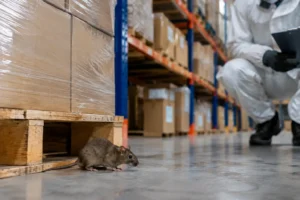
Pests do more than create an unpleasant moment for staff. Rodents can contaminate food areas, chew wiring, and leave droppings in storage rooms or ceiling spaces. Ants can quickly spread through kitchens, conference rooms, and desks where crumbs or moisture are available. Cockroaches, flies, spiders, and pantry pests can make employees uncomfortable and cause clients to question the cleanliness of the property.
Waiting for the issue to become obvious throughout the office usually raises the cost and complexity of treatment. A few droppings may point to an active rodent route inside walls or above ceilings. A handful of ants may indicate a moisture issue, an exterior entry point, or a colony established close to the building.
Fast service matters, but speed alone is not enough. A treatment should identify what is attracting the pest, where it is entering, and what will keep it from returning. That is how a business avoids repeated complaints and emergency calls.
What Effective Office Pest Control Solutions Include
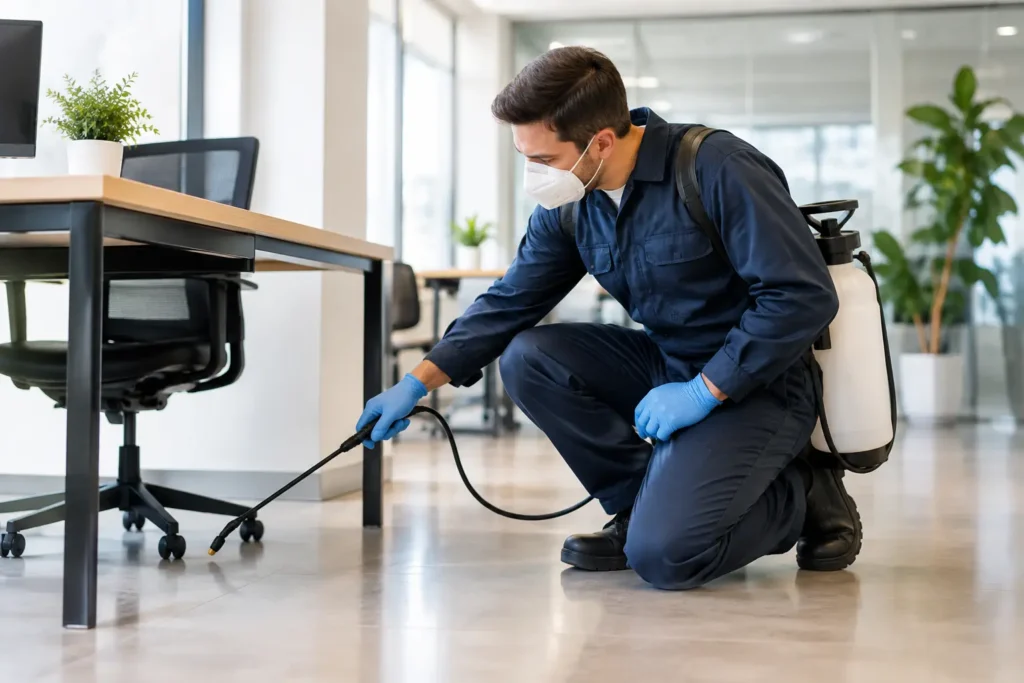
A dependable office program starts with a professional inspection. The technician should look beyond the area where the pest was seen and check common entry points, utility penetrations, door gaps, exterior landscaping, trash areas, kitchens, restrooms, storage spaces, and shared walls.
From there, treatment should be customized to the specific pest and the conditions in the building. An ant issue requires a different approach than rats in a warehouse-adjacent office, and neither should be treated the same way as bed bugs found in upholstered furniture or employee lockers.
Targeted treatment for the active problem
For active infestations, the priority is reducing pest activity quickly and safely. Depending on the situation, this may involve carefully placed baits, traps, crack-and-crevice treatments, exclusion work, or focused exterior service. A licensed professional can choose the treatment method that is appropriate for the pest, the office layout, and the level of activity.
For example, rodent control often requires more than setting traps. It may include locating entry points, identifying travel paths, removing attractants, and recommending repairs to gaps around pipes, doors, vents, or rooflines. Without exclusion, rodents may continue finding a way inside.
Prevention built into the plan
Long-term control depends on making the property less inviting. Food should be stored in sealed containers, trash should be removed regularly, and leaks should be addressed before they create moisture sources for pests. These simple steps help, but they work best when paired with regular professional monitoring.
A recurring maintenance plan allows technicians to catch early signs of activity before pests become visible to the entire office. It is especially valuable for properties with kitchens, frequent deliveries, shared tenant spaces, older structures, or landscaping close to the building.
Service that works around business hours
Office managers should not have to choose between pest control and a productive workday. Treatment scheduling should account for your operating hours, employee access, customer traffic, and any sensitive areas in the workplace.
Some offices need discreet early-morning or after-hours service. Others need fast daytime support when a pest is discovered before an important meeting or client visit. The best service plan is one that resolves the problem without creating unnecessary interruption.
Common Office Pests and What They Usually Signal
Different pests leave different clues, and those clues matter. Ants are often connected to food residue, water sources, or exterior trails that lead into the building. Cockroaches may be drawn to kitchens, break rooms, drains, cluttered storage, or gaps around plumbing.
Rodents are often more active after hours, so office staff may first notice droppings, gnaw marks, shredded material, odd odors, or sounds above ceiling tiles. If you see one rodent during the day, it is worth arranging an inspection promptly. Daytime activity can suggest competition for food or a larger population nearby.
Bed bugs are less common in offices than in homes or hotels, but they can arrive in bags, jackets, upholstered chairs, or shared spaces. They require a careful inspection and a treatment plan designed around the affected area. Guessing or using store-bought products can scatter the problem and make resolution more difficult.
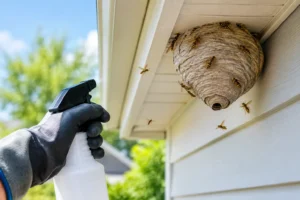
Flies, mosquitoes, and wasps may be tied to exterior conditions such as standing water, overflowing trash, open doors, or nests near entrances. Treatment may need to include both indoor relief and exterior corrections. The right answer depends on what is drawing the pest to your property.
Safe Pest Control Starts With Clear Communication
Business owners understandably want treatments that protect employees, customers, pets that may visit the office, and the property itself. A professional pest control provider should explain what is being treated, what preparation is needed, and when people can comfortably return to a serviced area.
Eco-friendly pest management does not mean ignoring a serious infestation. It means using a thoughtful, targeted approach that prioritizes inspection, monitoring, exclusion, sanitation guidance, and the least intrusive effective treatment. When products are needed, they should be selected and applied by trained, licensed professionals according to the conditions of the site.
Clear communication also keeps everyone on the same page. Property managers may need documentation for tenants. Office administrators may need to notify staff about a scheduled service. A dependable provider makes those details easier by giving straightforward recommendations and setting realistic expectations.
When One-Time Service Is Enough and When It Is Not
A one-time treatment can be appropriate when the source is clear and the issue is isolated. For instance, a small wasp nest outside an entrance or a localized ant trail may be resolved with targeted service and a few preventative corrections.
However, ongoing service is usually the better choice for offices that experience regular pest pressure, house food preparation areas, share walls with other businesses, or manage multiple tenants. Recurring visits provide consistent monitoring, early intervention, and documentation of conditions that could lead to future activity.
There is a trade-off: ongoing service is a continuing investment, while a one-time call may feel less expensive upfront. But repeat emergency treatments, employee complaints, damaged inventory, and a visible pest problem can cost far more over time. For many commercial properties, prevention is the more predictable and cost-effective option.
How to Prepare Your Office for Service
You do not need to overhaul the workplace before an inspection, but a few practical steps can improve results. Let the technician know where pests have been seen and when activity is most noticeable. Keep food, spills, and trash under control in break rooms. Make storage areas accessible if possible, especially where droppings, insects, or nesting material have been found.
It also helps to assign one point of contact who can approve access, receive service updates, and share recommendations with the right people. That prevents small maintenance issues, such as a door sweep that needs replacement or a plumbing leak under a sink, from being overlooked.
Choose a Partner, Not Just an Exterminator
The strongest office pest control solutions combine immediate action with long-term accountability. Look for a licensed provider that inspects thoroughly, explains the recommended treatment, responds promptly, and offers maintenance options tailored to your workplace.
As a family-owned local company, Impressive Exterminating understands that commercial pest problems can feel urgent because they are. Whether your office in Long Beach, Torrance, Huntington Beach, or another nearby community needs help with ants, rodents, cockroaches, bed bugs, or another pest, the goal should be the same: restore a clean, comfortable workplace and keep it protected.
A pest-free office supports employee confidence, protects your business image, and lets your team focus on work instead of worrying about what might be moving behind the walls. The best time to put a prevention plan in place is before the next sighting becomes a bigger disruption.