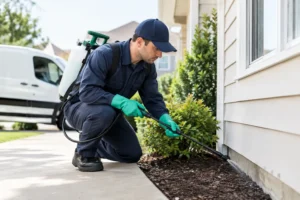

That first web across the garage corner usually does not stay alone for long. If you are searching for how to get rid of spiders in garage spaces, the real fix is not just spraying one corner and hoping for the best. You need to remove what attracts them, shut down where they hide, and keep the space dry, clean, and less inviting over time.
For homeowners, landlords, and business owners in Southern California, garages tend to collect exactly what spiders like – clutter, darkness, insects, and quiet hiding spots. Most spiders are not aggressive, but that does not make a garage full of webs any less frustrating. In some cases, especially if you are concerned about species like black widows, fast action matters.
Why spiders keep showing up in the garage
A garage gives spiders easy shelter. It is usually darker than the rest of the property, temperatures stay more stable, and there are plenty of corners, shelves, boxes, and wall gaps where they can settle in undisturbed.
The bigger issue is food. Spiders stay where insects are available. If your garage has moths, flies, crickets, roaches, or other small pests, spiders have a reason to stay. Exterior lights near the garage door can make the problem worse because light attracts insects, and insects attract spiders.
Moisture also plays a role. Garages with poor ventilation, leaks, damp cardboard, or clutter against walls create better conditions for both insects and the spiders feeding on them. That is why a garage spider problem often points to a larger pest or maintenance issue, not just a cleaning problem.
How to get rid of spiders in garage areas step by step
If you want results that last, start with physical removal and then focus on prevention. A one-time spray may knock down some activity, but it usually will not solve the reason spiders are there.
Start by removing webs, spiders, and egg sacs
Use a vacuum with a hose attachment to remove visible spiders, webs, and egg sacs from corners, ceiling lines, behind storage bins, around garage door tracks, and under shelves. This is one of the fastest ways to reduce activity immediately.
Be thorough. Egg sacs are easy to miss, and leaving them behind can restart the problem quickly. After vacuuming, empty the canister or dispose of the vacuum bag outside so spiders do not end up back in the garage.
For homeowners who prefer a direct cleanup approach, this is often the most effective first move. It gives you a clean starting point before you apply any product or make any repairs.
Cut down clutter and change how items are stored
Spiders thrive in garages where they can hide without being disturbed. Stacks of cardboard boxes, unused furniture, paper bags, and loose storage along the floor all create shelter.
Switching from cardboard to sealed plastic bins helps more than most people expect. Cardboard holds moisture, attracts insects, and gives spiders plenty of protected edges to hide in. Plastic bins with tight lids reduce all three problems.
Keep stored items off the ground when possible, and leave some space between storage and the wall. That makes future inspections easier and removes the sheltered gap spiders like to use.
Reduce the insects that spiders are feeding on
This is where many people miss the bigger picture. If the garage has an active insect problem, spiders will keep coming back even after you knock down webs.
Check for flying insects around lights, crickets near the edges, and signs of crawling pests around boxes or baseboards. Replace bright white bulbs near the garage and exterior entry points with warm or yellow-tinted bulbs if possible. It is a simple change, but it can reduce insect activity around doors at night.
Keep trash sealed, sweep up debris, and avoid leaving pet food, bird seed, or spilled materials in the garage. Even small food sources can support the insects that support spider activity.
Seal the gaps that let spiders in
Garages are full of entry points. Weatherstripping wears down, side doors develop gaps, vents stay open, and the main garage door often leaves space along the sides or bottom.
Inspect the bottom door seal first. If daylight shows through, pests can get in. Then check around door frames, utility penetrations, windows, vents, and wall cracks. Seal small gaps with caulk and repair worn weatherstripping where needed.
This part matters because even a clean garage can get fresh spider activity if insects and spiders keep entering from outside. Prevention works best when exclusion is part of the plan.
Make the garage less spider-friendly
A few practical changes can make the space much less attractive. Keep the garage as dry as possible by fixing leaks, improving airflow, and avoiding damp materials on the floor. Sweep regularly, especially along the perimeter, and avoid letting storage become permanent untouched clutter.
If you use the garage mostly for storage, try setting a quick inspection schedule once or twice a month. It does not have to be complicated. You are simply looking for new webs, insects, moisture, and areas where clutter is building back up.
This is especially helpful in Southern California properties where garages often open frequently, stay warm, and connect directly to living areas. If spiders are comfortable in the garage, it becomes easier for them to move deeper into the property.
Should you use spider sprays or dusts?
Sometimes yes, but it depends on the level of activity and who uses the space. Over-the-counter spider sprays can help when applied to cracks, corners, entry points, and perimeter areas, but they are rarely enough on their own.
The trade-off is that many store-bought products are overapplied or used in the wrong places. That can reduce effectiveness and create unnecessary exposure around children, pets, or stored items. If you choose a product, always follow the label exactly and avoid treating areas where contamination is a concern.
Dust products can be useful in wall voids, cracks, and inaccessible gaps, but they need careful placement. In many garages, especially those attached to homes or used by tenants, a safer and more reliable approach is professional treatment combined with exclusion and cleanup.
When the problem may be more serious
Not every garage spider issue is the same. A few webs in upper corners are one thing. Repeated spider sightings, multiple egg sacs, heavy webbing, or black widow activity around storage, furniture, or door frames should be treated as a more urgent concern.
Black widows prefer undisturbed areas and are commonly found in garages, sheds, and storage spaces. If you are seeing shiny black spiders with irregular webs in protected corners, avoid reaching into clutter blindly and avoid handling stored items without gloves.
At that point, professional pest control is often the fastest and safest option. A licensed technician can identify the species, treat the right areas, and address the insect activity and entry points that are supporting the infestation.
How professional spider control helps
For persistent garage infestations, professional service is usually more efficient than repeated DIY attempts. A proper treatment plan does more than kill visible spiders. It targets harborages, reduces insect prey, and helps prevent reinfestation.
That matters for homeowners who want peace of mind, landlords preparing units between tenants, and business owners who cannot afford pest activity around inventory or work areas. Fast response and a customized treatment plan can save time and reduce the cycle of webs returning every few weeks.
A company like Impressive Exterminating can also help if the spider issue is tied to a broader pest problem. In many garages, spiders are only one part of the picture. Treating the insects they feed on and sealing access points is what delivers longer-term control.
How to keep spiders out of the garage long term
Long-term results come from consistency, not one big cleanup. Remove webs as soon as you see them. Keep storage organized in sealed bins. Repair gaps around doors and walls. Reduce insects around lights and inside the garage. Watch for moisture and do not let clutter build up again.
If you have dealt with recurring spider activity before, regular pest service may be the most practical option. That is especially true for properties in Los Angeles County and Orange County where warm weather allows pest pressure to stay active through much of the year.
The good news is that garage spiders are manageable. Once you stop giving them food, shelter, and easy entry, the space becomes far less appealing. A cleaner garage is part of the solution, but the real goal is making the environment work against spiders instead of for them.
If your garage still has webs coming back after cleanup, treat that as a sign that the source has not been fully addressed yet. The best results come from acting early, staying consistent, and getting expert help when the problem starts moving beyond a simple DIY fix.