If you are asking how often should pest control be done, there is usually a reason. Maybe ants keep showing up in the kitchen, rodents are active in the attic, or tenants are calling about roaches again. In Southern California, pest pressure does not really take a season off, so the right schedule is less about a one-time visit and more about staying ahead of the problem before it gets expensive.
The short answer is this: most properties benefit from professional pest control every month, every other month, or every quarter, depending on the pest activity, the type of property, and the level of risk. A one-time service can help with a sudden issue, but it is rarely the best long-term strategy if you want dependable protection.
How often should pest control be done for most properties?
For many homes, a bi-monthly or quarterly service schedule is enough to keep common pests under control. That includes ants, spiders, silverfish, earwigs, and occasional invaders that enter through cracks, garages, and landscaping. If the home has had repeated pest issues, nearby construction, heavy vegetation, or food and moisture sources that attract insects and rodents, monthly service is often the smarter option.
For commercial properties, apartment buildings, restaurants, offices, and other high-traffic spaces, monthly service is usually the standard. More people, more deliveries, more trash movement, and more entry points create more opportunity for pests to settle in. Waiting too long between visits can turn a manageable issue into a bigger sanitation, reputation, or tenant-relations problem.
That is why there is no universal answer that fits every address. The best schedule is based on pressure, not guesswork.
The biggest factors that affect pest control frequency
A newer home in a low-risk area may not need the same treatment schedule as an older duplex near alley trash bins or dense landscaping. Pest control works best when the service plan matches the conditions on the property.
Type of pest
Different pests require different timing. General crawling insects can often be managed with routine perimeter treatments, monitoring, and follow-up as needed. Rodents, bed bugs, termites, and mosquitoes usually require a more specific plan.
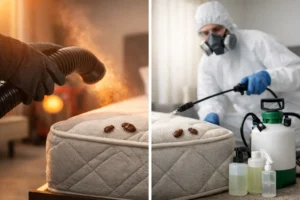
Rodents need closer monitoring because a small issue can grow quickly. If rats or mice are active, service may start with multiple visits close together, followed by monthly maintenance. Termites are different because treatment timing depends on the method used and the extent of activity. Bed bugs also need a structured treatment schedule, not occasional spraying.
Severity of the problem
If you already have a visible infestation, regular prevention is not enough by itself. Active infestations often need an initial intensive treatment, then follow-up visits to confirm the pests are gone and to reduce the chance of reinfestation.
This is where people often get frustrated. They expect one service to solve everything, but some pests reproduce quickly or stay hidden in walls, attics, voids, and furniture. A professional plan accounts for that.
Property type and use
Single-family homes, apartment complexes, restaurants, warehouses, and medical offices all have different exposure levels. A family home may mainly deal with seasonal ants and spiders. A restaurant may need much tighter service intervals because even a minor pest issue can affect operations and compliance.
Property managers also have another concern: one untreated unit can affect neighboring units. In multifamily housing, more frequent inspections and service are often the safest and most cost-effective move.
Southern California climate
In Los Angeles County and Orange County, mild weather keeps many pests active for much of the year. That is one reason pest control schedules here are often more frequent than in colder regions. Ants, spiders, roaches, rodents, and mosquitoes can stay active well beyond what homeowners expect.
Hot weather can drive pests indoors in search of water. Cooler weather can push rodents into walls and attics. In other words, there is no long off-season where protection stops mattering.
Recommended pest control schedule by situation
The most practical way to answer how often should pest control be done is by looking at the type of need you have.
Preventive service for homes
If your goal is to prevent common household pests before they become a problem, every two months or every quarter may be enough for a lower-risk home. Monthly service makes sense when pest activity is more consistent, the property has a history of infestations, or there are pets, kids, and busy schedules that make prevention more valuable than reacting later.
Preventive service is often the most affordable approach over time because it reduces the chance of a major infestation that requires more labor, more materials, and more disruption.
Ongoing service for recurring pest problems
If ants return every summer, spiders build up around entry points, or rodents keep finding ways inside, monthly pest control is usually the right place to start. Consistency matters because the goal is not only to remove visible pests but to interrupt breeding cycles and close off conditions that keep attracting them.
This is especially true for properties with crawl spaces, garages, food storage areas, exterior clutter, or irrigation that creates moisture.
Service for commercial properties
Monthly service is standard for many businesses, and some high-risk industries need even closer attention. Restaurants, food-related businesses, health care settings, retail centers, and multifamily buildings benefit from ongoing monitoring because the cost of an outbreak is higher than the cost of regular protection.
For business owners, pest control is not just about comfort. It is also about protecting customers, staff, inventory, and brand reputation.
Specialized treatment schedules
Some pest problems follow their own rules. Termites may need inspection-based follow-up after treatment. Bed bug treatments often involve a sequence of visits. Rodent control may require trapping, exclusion, sanitation recommendations, and regular monitoring. Mosquito control is more effective when timed around breeding conditions and outdoor use of the property.
This is why professional inspection matters. The schedule should fit the pest, not just the calendar.
Signs you may need service more often
Even if you already have pest control, certain warning signs mean the interval between visits may be too long. Frequent droppings, grease marks, gnawing, live roaches during the day, repeated ant trails, wasp activity, or new insect sightings after treatment all suggest the property needs a stronger plan.
You should also pay attention to changes around the property. Construction nearby, new landscaping, irrigation leaks, tenant turnover, dumpster issues, and warmer weather can all increase pest pressure fast.
A good service plan is not static. It should adjust when the risk changes.
Why one-time pest control is not always enough
One-time service can absolutely help when a specific issue appears out of nowhere. If you have a wasp nest, a sudden ant invasion, or a new rodent sighting, fast treatment matters. But one-time pest control usually addresses the immediate problem, not the reason the pests showed up in the first place.
Long-term control comes from combining treatment with monitoring, exclusion, and prevention. That might mean sealing entry points, reducing moisture, improving sanitation, trimming vegetation, or adjusting the service frequency. Without that follow-through, pests often return.
That is why many homeowners and property managers eventually move from one-time appointments to an ongoing maintenance plan. It creates fewer surprises and better results.
How to choose the right pest control schedule
The best schedule is the one that matches your property, your pest history, and your risk tolerance. If you want the lowest-maintenance option and have had repeated issues, monthly service is often the safest choice. If your property has only occasional pest activity, bi-monthly or quarterly may be enough. If you are dealing with termites, bed bugs, rodents, or a serious infestation, the plan should be built around that specific issue.
The key is not choosing the cheapest visit frequency on paper. It is choosing the schedule that actually prevents repeat problems. A lower-cost plan that leaves gaps can end up costing more when pests come back.
For Southern California homes and businesses, reliable pest control is usually about consistency. Safe, effective treatment works best when it is paired with regular inspections and quick response when conditions change. That is the approach companies like Impressive Exterminating use because it protects the property now and reduces the chance of bigger problems later.
If you are seeing pests more than once, hearing rodents at night, or managing a property where prevention matters as much as response, it may be time to stop asking whether service is necessary and start asking what schedule will keep the problem from returning.